1
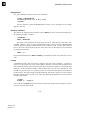
EXAMPLE: VIBRATION OF A PIPING SYSTEM
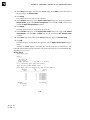
*HEADING
Analysis of a 5 meter long pipe under tensile load
Pipe has OD of 180 mm and ID of 140 mm
S.I. Units
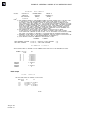
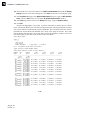
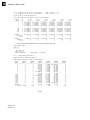
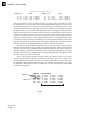
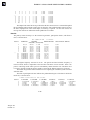
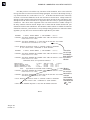
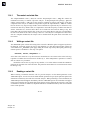
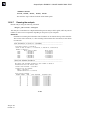
Nodal coordinates and element connectivity
Check that the correct element type (PIPE32) has been used and that the element set names are
suitably descriptive.
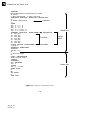
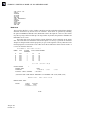
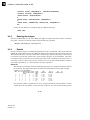
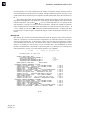
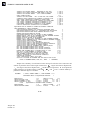
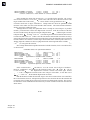
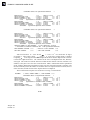
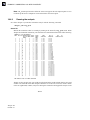
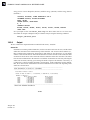
*ELEMENT, TYPE=PIPE32, ELSET=PIPE
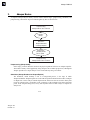
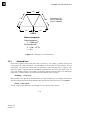
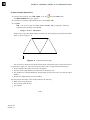
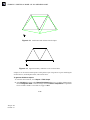
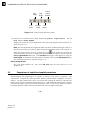
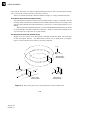
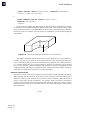
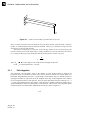
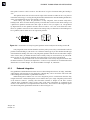
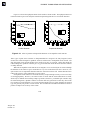
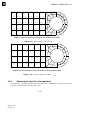
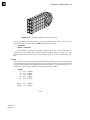
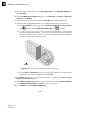
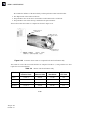
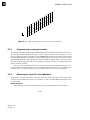
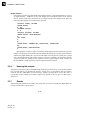
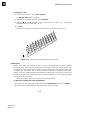
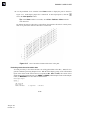
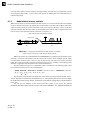
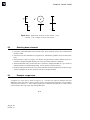
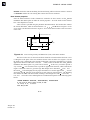
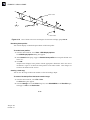
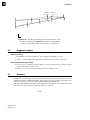
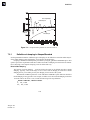
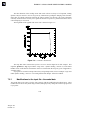
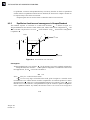
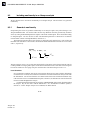
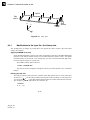
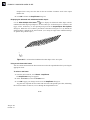
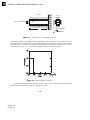
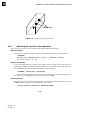
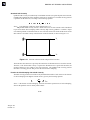
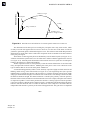
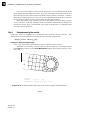
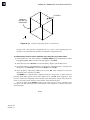
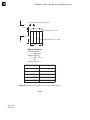
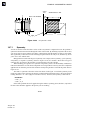
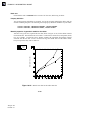
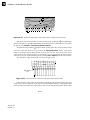
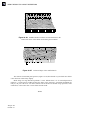
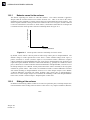
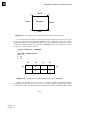
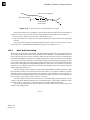
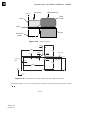
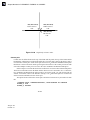
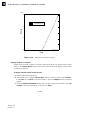
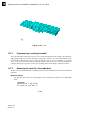
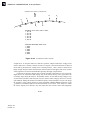
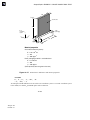
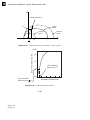
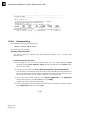
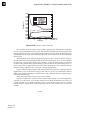
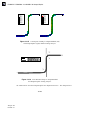
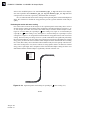
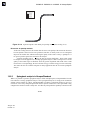
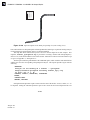
Create node sets containing the nodes at either end of the pipe section. The following option
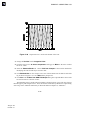
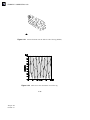
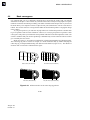
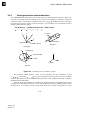
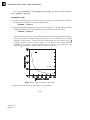
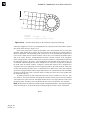
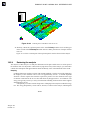
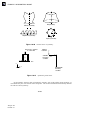
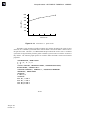
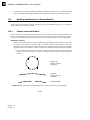
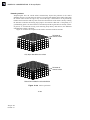
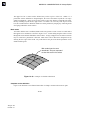
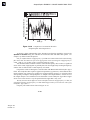
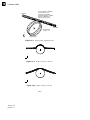
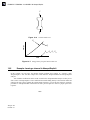
blocks create the node sets for the model shown in Figure 11–9:
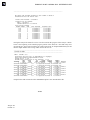
*NSET, NSET=LEFT
1
*NSET, NSET=RIGHT
61
Beam properties
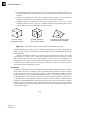
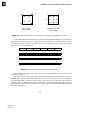
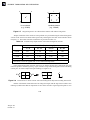
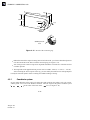
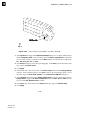
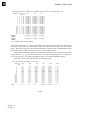
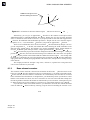
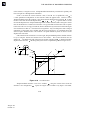
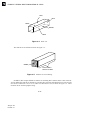
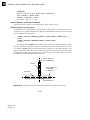
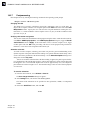
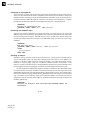
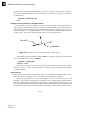
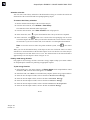
The *BEAM SECTION, SECTION=PIPE option will be used with the PIPE32 elements. The
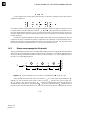
outer radius (90 mm) and the wall thickness (20 mm) are needed to define this beam section type
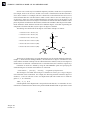
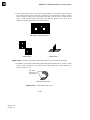
geometrically. It is easier to define the orientation of the beam section geometry for this model
than it was for the cargo crane model in the earlier chapters because the pipe section is symmetric.
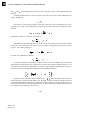
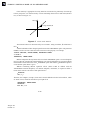
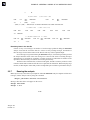
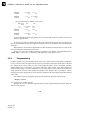
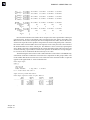
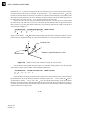
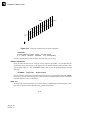
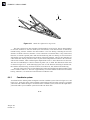
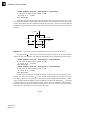
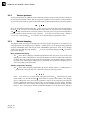
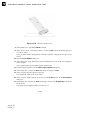
Define the approximate -direction as the vector (0., 0., –1.0). In this model the actual -vector
will coincide with this approximate vector.
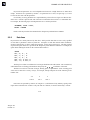
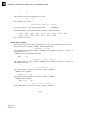
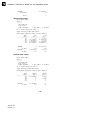
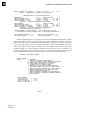
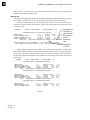
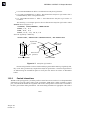
*BEAM SECTION, ELSET=PIPE, MATERIAL=STEEL, SECTION=PIPE
0.09, 0.02
0.0, 0.0, -1.0
Material data
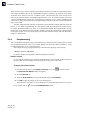
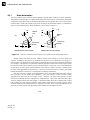
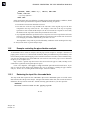
The option blocks defining the material behavior of the steel pipe in your model are included in the
following lines:
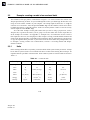
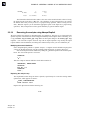
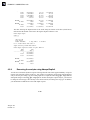
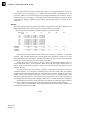
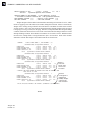
*MATERIAL, NAME=STEEL
*ELASTIC
200.E9, 0.3
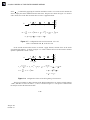
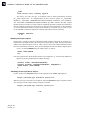
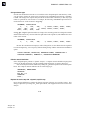
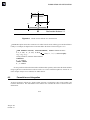
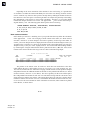
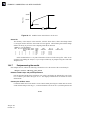
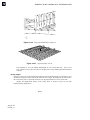
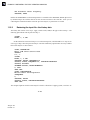
You must define the density of the steel material (7800 kg/m3 ) because eigenmodes and
eigenfrequencies are being extracted in this simulation and a mass matrix is needed for this
procedure. Therefore, the following option block must follow the *ELASTIC option block:
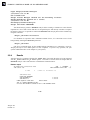
*DENSITY
7800.,
11–11
Abaqus ID:
Printed on: