1
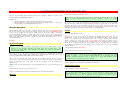
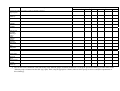
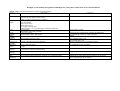
Farm management
1: none
2: timing of clearing and application of herbicide
Factors that influence the effectiveness of a technology
Marketing issues
1: none
2: none
Capital returns
1: variable
13
2: potential increase
Changes in labour
1: variable
14
2: potential decrease
Target crops (2)
1: plantain
2: commercial vegetable, maize and rice production
Cropping patterns (2)
1: sole cropping
2: any
+
+
+
+
+
+
+
+
+
+
+
-
+
+
+
-
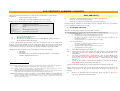
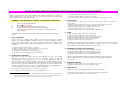
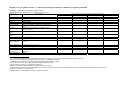
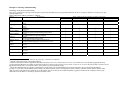
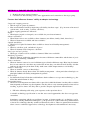
This technology has two variations and two target groups:
1. Without herbicide: weeds are likely to be a significant problem if herbicide is not used, particularly on shorter fallows. On longer fallows, which have lesser weeding requirements and
in conjunction with the mulching of vegetation debris, plantain and other perennial crops can be grown that are not damaged by the tree branches and other debris left on the farm.
However long fallows are very rarely found in the peri- urban Kumasi area and plantain does not thrive on shorter fallows in this area. Therefore this is not an option for farmers.
2. With herbicide: after short fallows where smaller amounts of biomass have been produced any crops can be grown and access to the farm is not impeded. However cash crops can better
justify purchase of the herbicide. Where use of herbicide is effective in weed control, weeding or expenditure on weeding may be reduced. These circumstances are most applicable to
vegetable, rice and green maize farmers where there is intense pressure on lowlands and valley bottoms. Cash returns with use on lower value cash crops such as upland maize would
need to be calculated to suggest further suitability.
13
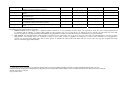
1: Where fallows are long and weeds are few yields may remain the same or increase, but if further expenditure is incurred on weeding requirements returns are likely to decrease.
2: Effective herbicide use may reduce cash required for weeding. With low sales of farm produce herbicide is likely to reduce cash returns. It is therefore more likely to be used for commercial
vegetable, maize and rice production.
14
See previous footnote.