1
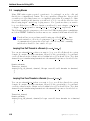
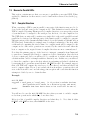
3.2 Data Access Macros
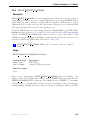
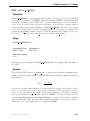
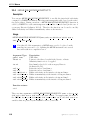
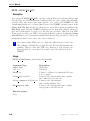
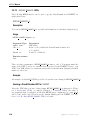
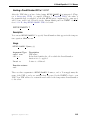
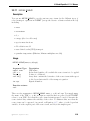
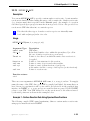
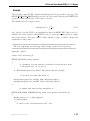
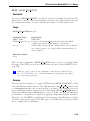
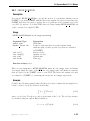
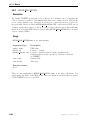
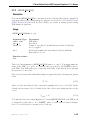
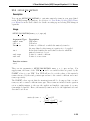
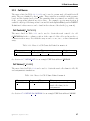
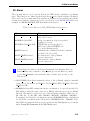
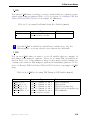
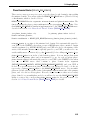
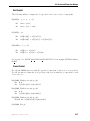
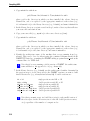
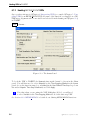
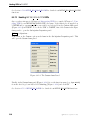
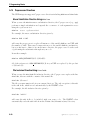
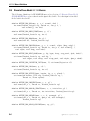
F UDSI
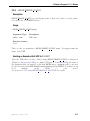
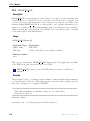
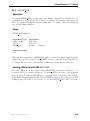
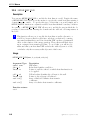
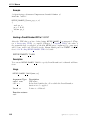
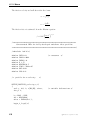
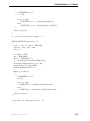
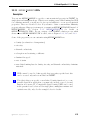
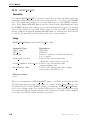
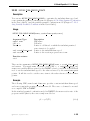
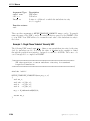
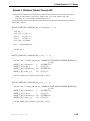
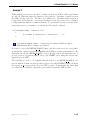
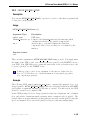
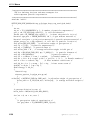
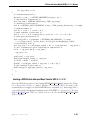
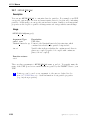
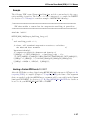
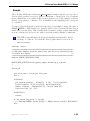
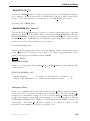
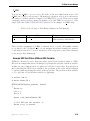
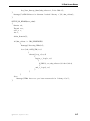
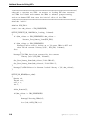
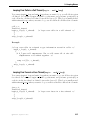
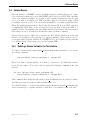
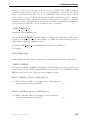
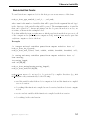
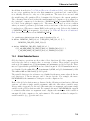
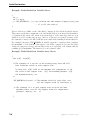
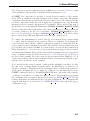
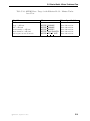
You can use F UDSI when you want to access face variables that are computed for userdefined scalar transport equations (Table 3.2.35). See Section 3.2.9: Example UDF that
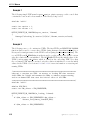
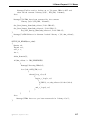
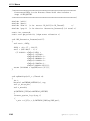
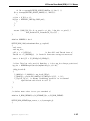
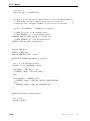
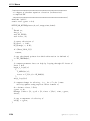
Utilizes UDM and UDS Variables for an example of F UDSI usage.
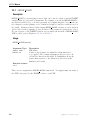
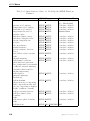
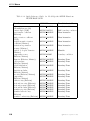
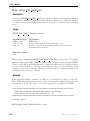
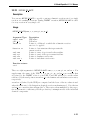
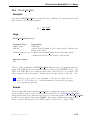
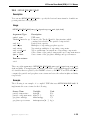
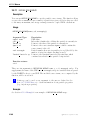
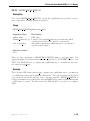
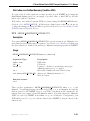
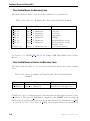
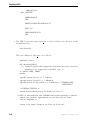
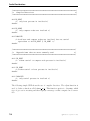
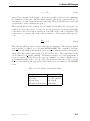
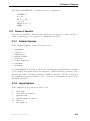
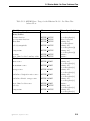
Table 3.2.35: Accessing User-Defined Scalar Face Variables (mem.h)
Macro
F UDSI(f,t,i)
i
Argument Types
face t f, Thread *t, int i
Note: i is index of scalar
Returns
UDS face variables
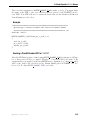
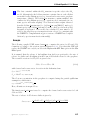
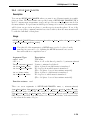
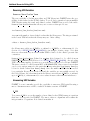
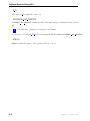
Note that F UDSI is available for wall and flow boundary faces, only. If a
UDS attempts to access any other face zone, then an error will result.
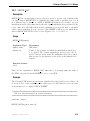
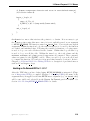
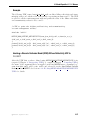
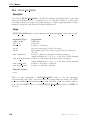
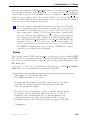
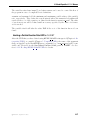
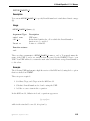
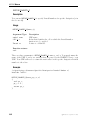
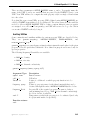
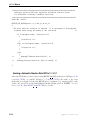
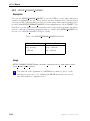
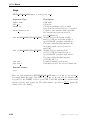
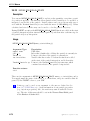
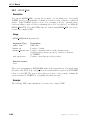
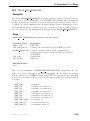
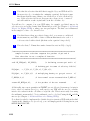
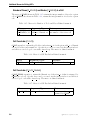
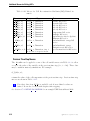
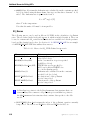
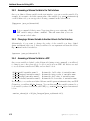
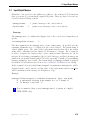
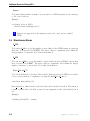
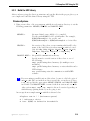
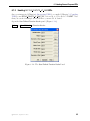
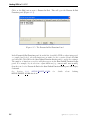
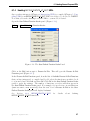
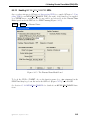
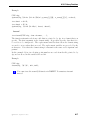
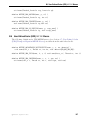
C UDSI
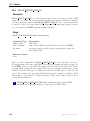
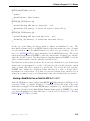
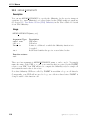
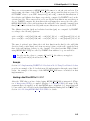
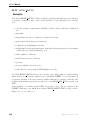
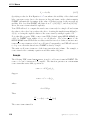
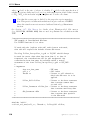
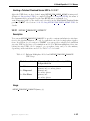
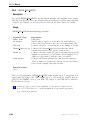
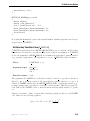
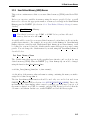
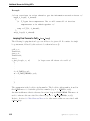
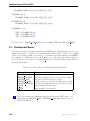
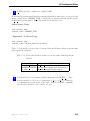
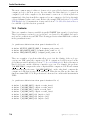
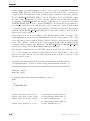
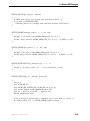
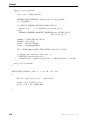
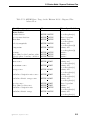
You can use C UDSI when you want to access cell variables that are computed for
user-defined scalar transport equations. Macros for accessing UDS cell variables are
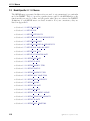
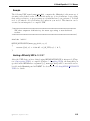
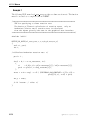
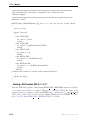
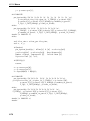
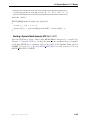
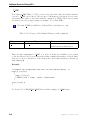
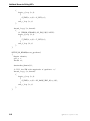
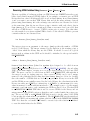
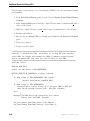
listed in Table 3.2.36. Some examples of usage for these macros include defining nonconstant source terms for UDS transport equations and initializing equations. See Section 3.2.9: Example UDF that Utilizes UDM and UDS Variables for an example of C UDSI
usage.
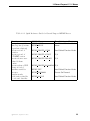
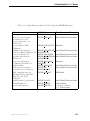
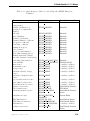
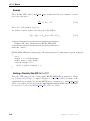
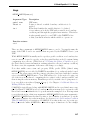
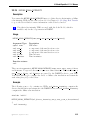
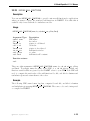
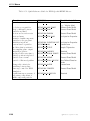
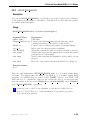
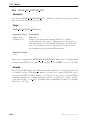
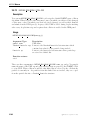
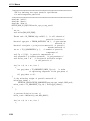
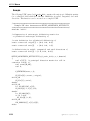
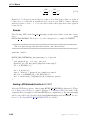
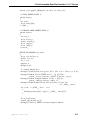
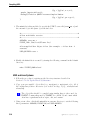
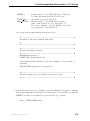
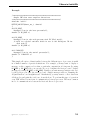
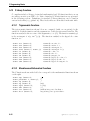
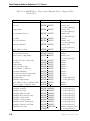
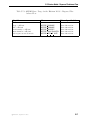
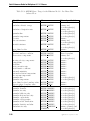
Table 3.2.36: C UDSI for Accessing UDS Transport Cell Variables (mem.h)
Macro
C UDSI(c,t,i)
C UDSI G(c,t,i)
C UDSI M1(c,t,i)
C UDSI M2(c,t,i)
C UDSI DIFF(c,t,i)
c Fluent Inc. September 11, 2006
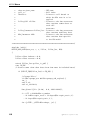
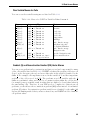
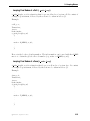
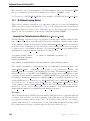
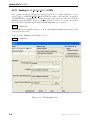
Argument Types
cell t c, Thread *t, int
cell t c, Thread *t, int
cell t c, Thread *t, int
cell t c, Thread *t, int
cell t c, Thread *t, int
Note: i is index of scalar
i
i
i
i
i
Returns
UDS cell variables
UDS gradient
UDS previous time step
UDS second previous time step
UDS diffusivity
3-39