1
Contents
Contents
1
Getting started
1.1
1.2
1.3
2
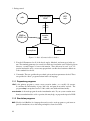
Information flow in Amber .
1.1.1 Preparatory programs
1.1.2 Simulation programs
1.1.3 Analysis programs .
Installation . . . . . . . . .
Contacting the developers . .
9
.
.
.
.
.
.
.
.
.
.
.
.
.
.
.
.
.
.
.
.
.
.
.
.
.
.
.
.
.
.
.
.
.
.
.
.
.
.
.
.
.
.
.
.
.
.
.
.
.
.
.
.
.
.
.
.
.
.
.
.
.
.
.
.
.
.
.
.
.
.
.
.
.
.
.
.
.
.
.
.
.
.
.
.
.
.
.
.
.
.
.
.
.
.
.
.
.
.
.
.
.
.
.
.
.
.
.
.
.
.
.
.
.
.
.
.
.
.
.
.
.
.
.
.
.
.
.
.
.
.
.
.
.
.
.
.
.
.
.
.
.
.
.
.
.
.
.
.
.
.
.
.
.
.
.
.
.
.
.
.
.
.
Specifying a force field
2.1
2.2
2.3
2.4
2.5
2.6
2.7
2.8
2.9
2.10
2.11
3
3
13
Specifying which force field you want in LEaP . . . . . . . . . .
The AMOEBA potentials . . . . . . . . . . . . . . . . . . . . . .
The Duan et al. (2003) force field . . . . . . . . . . . . . . . . .
The Yang et al. (2003) united-atom force field . . . . . . . . . . .
1999 force fields and recent updates . . . . . . . . . . . . . . . .
The 2002 polarizable force fields . . . . . . . . . . . . . . . . . .
Force related to semiempirical QM . . . . . . . . . . . . . . . . .
GLYCAM-06 and GLYCAM-04EP force fields for carbohydrates
Ions . . . . . . . . . . . . . . . . . . . . . . . . . . . . . . . . .
Solvent models . . . . . . . . . . . . . . . . . . . . . . . . . . .
Obsolete force field files . . . . . . . . . . . . . . . . . . . . . .
2.11.1 The Cornell et al. (1994) force field . . . . . . . . . . . .
2.11.2 The Weiner et al. (1984,1986) force fields . . . . . . . . .
.
.
.
.
.
.
.
.
.
.
.
.
.
.
.
.
.
.
.
.
.
.
.
.
.
.
.
.
.
.
.
.
.
.
.
.
.
.
.
.
.
.
.
.
.
.
.
.
.
.
.
.
.
.
.
.
.
.
.
.
.
.
.
.
.
.
.
.
.
.
.
.
.
.
.
.
.
.
.
.
.
.
.
.
.
.
.
.
.
.
.
Introduction . . . . . . . . . . . . . . . . . . . . . . .
Concepts . . . . . . . . . . . . . . . . . . . . . . . .
3.2.1 Commands . . . . . . . . . . . . . . . . . . .
3.2.2 Variables . . . . . . . . . . . . . . . . . . . .
3.2.3 Objects . . . . . . . . . . . . . . . . . . . . .
Basic instructions for using LEaP . . . . . . . . . . . .
3.3.1 Building a Molecule For Molecular Mechanics
3.3.2 Amino Acid Residues . . . . . . . . . . . . .
3.3.3 Nucleic Acid Residues . . . . . . . . . . . . .
Commands . . . . . . . . . . . . . . . . . . . . . . .
3.4.1 add . . . . . . . . . . . . . . . . . . . . . . .
.
.
.
.
.
.
.
.
.
.
.
.
.
.
.
.
.
.
.
.
.
.
.
.
.
.
.
.
.
.
.
.
.
.
.
.
.
.
.
.
.
.
.
.
.
.
.
.
.
.
.
.
.
.
.
.
.
.
.
.
.
.
.
.
.
.
.
.
.
.
.
.
.
.
.
.
.
LEaP
3.1
3.2
3.3
3.4
9
10
10
11
11
12
14
15
15
16
16
18
19
19
22
25
27
27
28
29
.
.
.
.
.
.
.
.
.
.
.
.
.
.
.
.
.
.
.
.
.
.
.
.
.
.
.
.
.
.
.
.
.
.
.
.
.
.
.
.
.
.
.
.
.
.
.
.
.
.
.
.
.
.
.
.
.
.
.
.
.
.
.
.
.
.
29
29
29
30
30
34
35
35
36
36
36
3