1
D
D
D
D
D
R
R
R
R
R
D
R
R
D
R
R
A
FT
FT
FT
A
A
R
R
D
D
D
R
R
D
R
A
FT
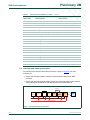
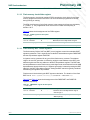
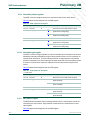
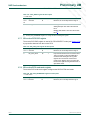
29-bit CAN 2.0 B identifier
D
28 to 0
FT
CAN controller number
FT
A
A
R
31 to 29 SCC
ID[28:0]
F
D
D
EFF_GRP_ start address
A
FT
FT
A
A
R
R
D
D
D
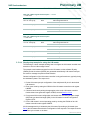
Description
FT
FT
FT
FT
Symbol
A
A
A
A
R
R
D
D
D
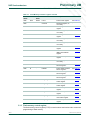
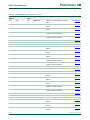
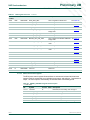
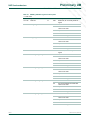
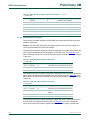
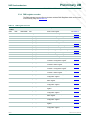
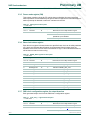
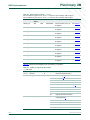
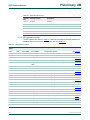
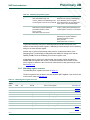
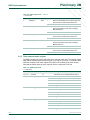
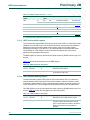
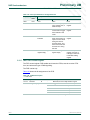
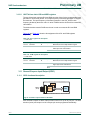
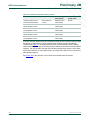
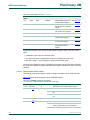
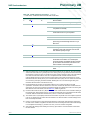
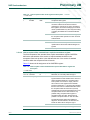
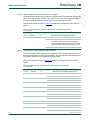
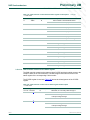
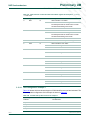
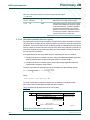
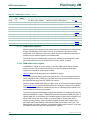
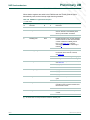
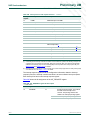
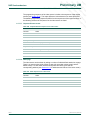
Table 151. Extended frame-format explicit identifier section
FT
FT
FT
FT
FT
LPC2917/19 - ARM9 microcontroller with CAN and LIN
Bit
A
A
A
A
A
Preliminary UM
NXP Semiconductors
D
R
Extended frame-format group identifier section
A
3.12.7.5
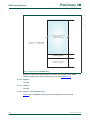
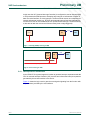
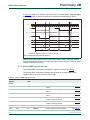
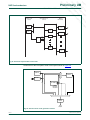
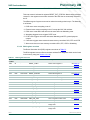
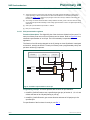
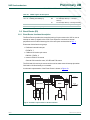
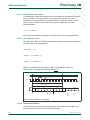
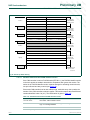
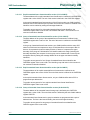
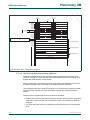
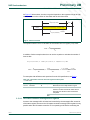
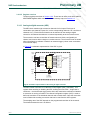
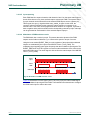
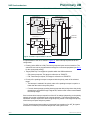
The extended frame-format group identifier section must contain an even number of
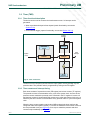
entries of the same form as in the extended frame-format explicit identifier section (see
Figure 44). Like the explicit identifier section, the group identifier section must be arranged
in ascending numerical order. The upper and lower bounds in the section are implicitly
paired as an inclusive group of extended addresses, so that any received address which
falls in the inclusive group is accepted and received. Software must maintain the section
to consist of such word pairs.
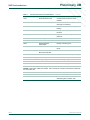
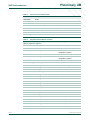
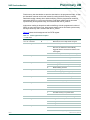
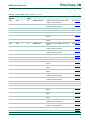
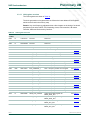
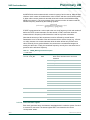
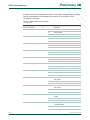
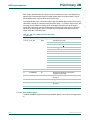
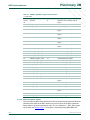
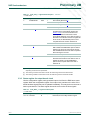
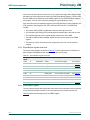
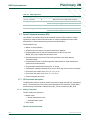
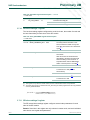
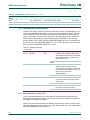
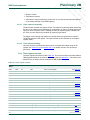
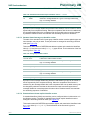
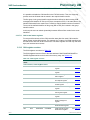
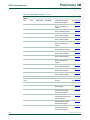
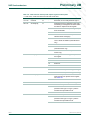
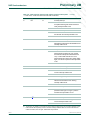
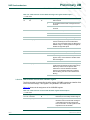
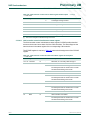
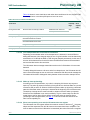
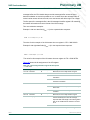
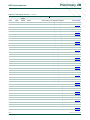
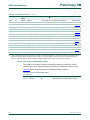
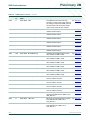
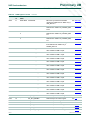
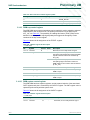
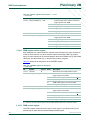
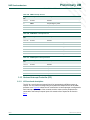
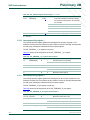
This section starts with CAEFGSA start address register and contains the identifiers index
(h + i + j + k) lower bound to index (h + i + j + k + l − 1) upper bound. The bit allocation is
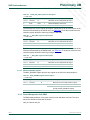
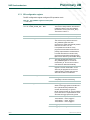
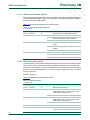
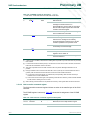
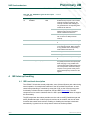
given in Table 152.
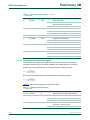
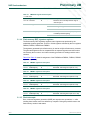
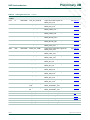
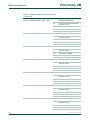
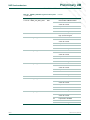
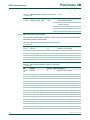
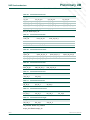
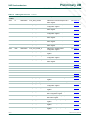
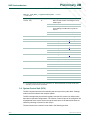
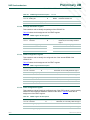
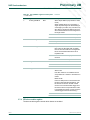
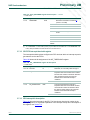
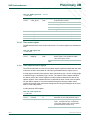
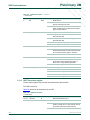
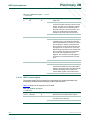
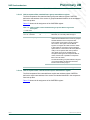
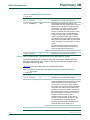
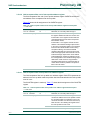
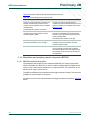
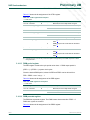
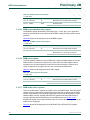
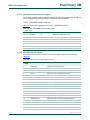
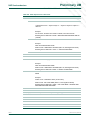
Table 152. Extended frame-format group identifier section
Bit
Symbol
Description
CAEFGSA start address
31 to 29 SCC
Lower bound: CAN controller number
28 to 0
Lower bound: 29-bit CAN 2.0 B identifier
ID[28:0]
CAEFGSA start address + 4
3.12.7.6
31 to 29 SCC
Upper bound: CAN controller number
28 to 0
Upper bound: 29-bit CAN 2.0 B identifier
ID[28:0]
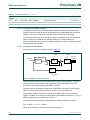
CAN acceptance filter registers
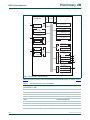
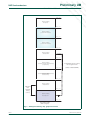
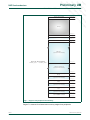
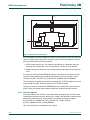
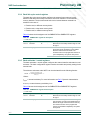
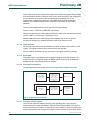
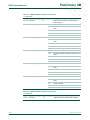
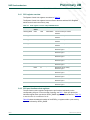
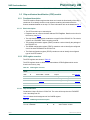
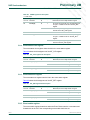
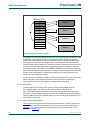
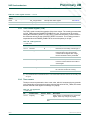
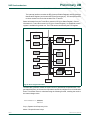
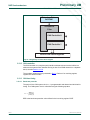
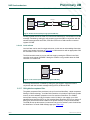
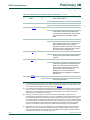
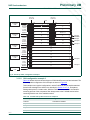
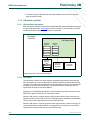
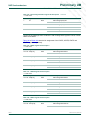
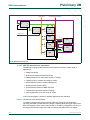
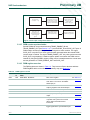
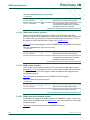
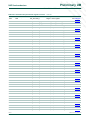
The complete register layout of the CAN acceptance filter is shown in Figure 45. Refer to
it for resolving register, register-slice and bit names.
3.12.7.7
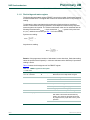
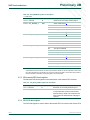
CAN acceptance-filter mode register
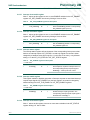
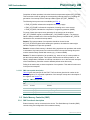
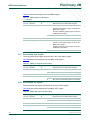
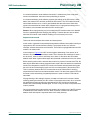
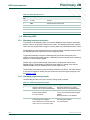
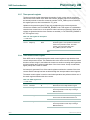
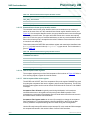
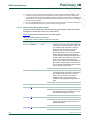
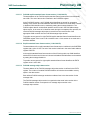
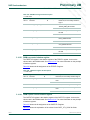
The ACCBP and ACCOFF bits of the acceptance-filter mode register CAMODE are used
for putting the acceptance filter into the bypass- and off-modes respectively. The EFCAN
bit of the mode register can be used to activate FullCAN mode for received 11-bit CAN ID
messages.
Acceptance filter off-mode is typically used during initialization. In this mode an
unconditional access to all registers and the look-up table RAM is possible. CAN
messages are not accepted in acceptance filter off-mode and are therefore not stored in
the receive buffers of active CAN Controllers.
Acceptance filter bypass-mode can be used (for example) to change the acceptance
filter configuration in a running system by changing identifiers in the ID look-up table
memory. Software acceptance filtering has to be used during this reconfiguration.
Use the ID ready interrupt IDI and the receive interrupt RI. In this mode all CAN messages
are accepted and stored in the receive buffers of active CAN Controllers.
UMxxxxx
User manual
© NXP B.V. 2007. All rights reserved.
Rev. 01.02. — 8 November 2007
143 of 263