1
CHAPTER 2. LECTURE NOTES
162
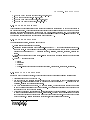
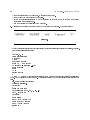
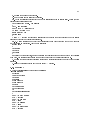
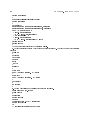
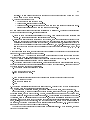
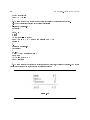
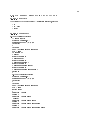
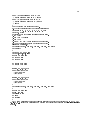
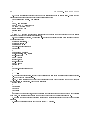
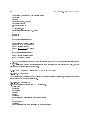
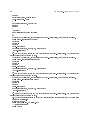
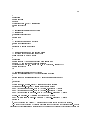
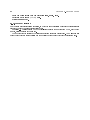
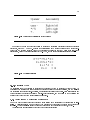
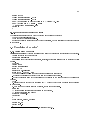
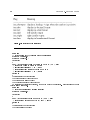
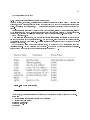
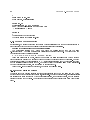
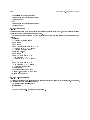
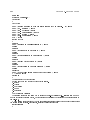
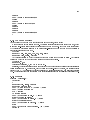
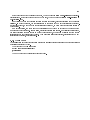
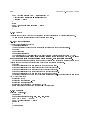
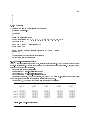
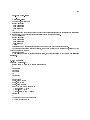
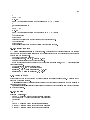
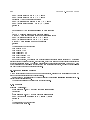
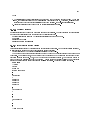
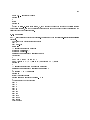
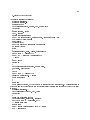
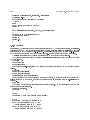
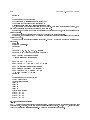
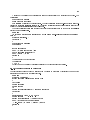
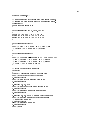
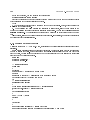
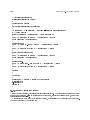
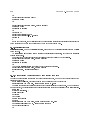
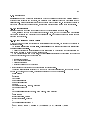
In the above program, the new operator in the statement:
Stocks* pHeapStock = new Stocks;
invokes the constructor of the Stocks class to create a Stocks object on the heap and returns a pointer
which is assigned to the pointer variable pHeapStock.
Note:
1. The totalValue() function is not a function member of the Stocks class. Rather, it is a function that
is available to the entire program.
2.
When declaring and using pointers and references to class objects, follow the same rules as you
indirect member
selection operator (->) to access class members through a pointer to an object either on stack or on the
would when declaring and using pointers and references to structures. You can use the
heap.
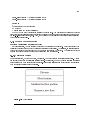
As we will see, using new and delete oers other benets as well. In particular, new invokes the constructor
and delete invokes the class'destructor.
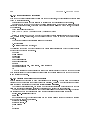
2.7.5 Pointers as Class Members
A class can contain any C++ data type. Thus, the inclusion of a pointer variable in a class should not seem
surprising.
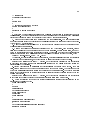
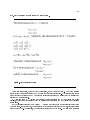
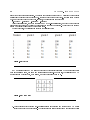
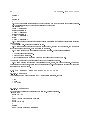
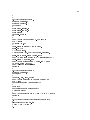
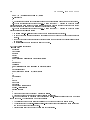
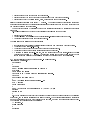
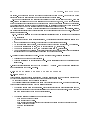
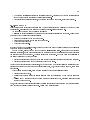
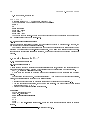
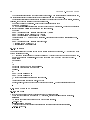
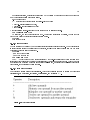
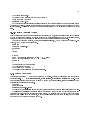
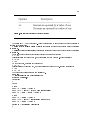
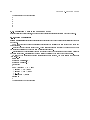
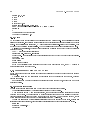
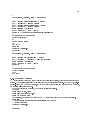
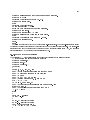
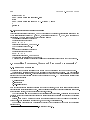
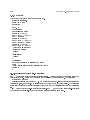
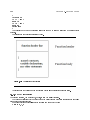
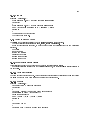
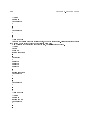
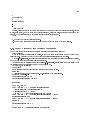
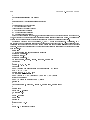
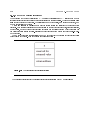
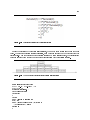
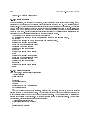
In some cases, pointers as class members are advantageous. For example, assume that in the class Book
we need to store a book title. Rather than using a xed length character array as a data member to hold
each book title, we could include a pointer member to a character array and then allocate the correct size
array for each book title as it is needed.
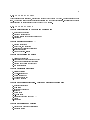
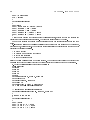
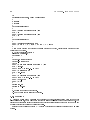
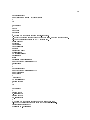
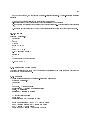
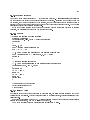
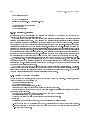
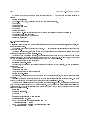
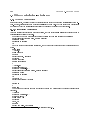
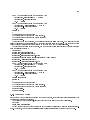
Example
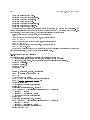
#include <iostream.h>
#include <string.h>
// class declaration
class Book
{
private:
char *title; // a pointer to a book title
public:
Book(char * = NULL); // constructor with a default value
void showtitle(); // display the title
};
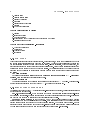
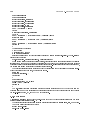
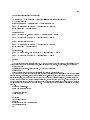
// class implementation
Book::Book(char *strng)
{
title = new char[strlen(strng)+1]; // allocate memory
strcpy(title,strng); // store the string
}
void Book::showtitle()
{
cout title endl;
return;
}
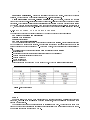
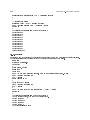
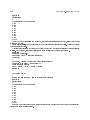
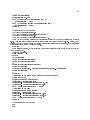
int main()
{
Book book1("DOS Primer"); // create 1st title
Book book2("A Brief History of Western Civilization"); // 2nd title