1
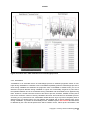
APPEX APPEX: Analysis Platform for identification of Prognostic gene EXpression signature in cancer 1. Introduction Identification of robust molecular signature to predict cancer patients’ outcome is profoundly important, since cancer patients have heterogeneous clinical courses even if they have similar clinicopathological characteristics. By using prognostic molecular signature, cancer patients can be treated more effectively. As an example, Oncotype DX breast cancer assay is now performed in the clinic to predict clinical behavior of a breast cancer patient (1). Furthermore, developing molecular signatures to predict patient’s responses to treatment such as chemotherapy or radiotherapy is also important, because it can be used for the prediction of treatment effectiveness, selection of drugs, and preventing side effects. While many researchers have tried to develop robust prognostic and predictive signatures from genomics data (2-12), there is no suitable web-based analysis tool that supports researchers in their efforts of signature development. Currently, most researchers use either commercial programs such as SPSS or Matlab or open source scripting language like R for statistical analysis. For genome-wide analyses, several tools including BRB-arrayTools (Excel plugin) (13), TM4 (Java based standalone) (14), or GEPAS (Web based platform) (15) have been widely used. However, for many investigators, particularly, clinicians or oncologists, doing proper statistical analyses using publicly available tools can be a daunting task. Also, most genome-wide analysis tools are not equipped with tools for identifying prognosis signature by survival analysis. Here, we constructed APPEX web based software platform to help researchers in the efforts to identify prognostic or predictive molecular signatures from genomics data. APPEX was designed to be easy to use, flexible, and freely available for advanced statistical survival analyses. APPEX is a web-based platform to perform survival analysis, particularly, to support identifying molecular signatures significantly associated with cancer patients’ outcome. APPEX provides various analysis methods to discover genes or any other molecules associated with survival of cancer patients. Currently, APPEX supports seven analyses including Cox proportional hazard model (for single molecule and multiple molecules) (16), Super-PC (17), in-trans correlation analysis (for single molecule and multiple molecules) (7, 18), Time-dependent ROC analysis(19), and Multivariate Cox regression analysis (16). Although major data type of APPEX is the gene expression intensity obtained from cancer patients and their follow-up times, APPEX is also applicable for any other continuous numeric signal intensities with time-to-event information. APPEX is mainly designed for clinicians and oncologists who investigate cancer behaviors and are interested in discovering prognostic or predictive signatures. A user-friendly graphical interface similar to desktop application is provided, so users can easily handle their own data on the APPEX even if they are not familiar with statistical analysis packages such as SPSS or R. APPEX serves various charts and figures as well as downloadable data tables which include information of significant Copyright 2015 by Genome Institute @ KRIBB 3