1
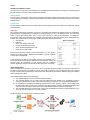
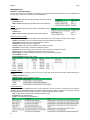
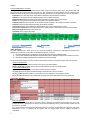
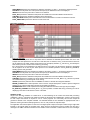
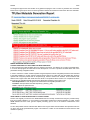
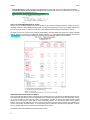
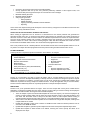
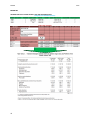
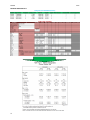
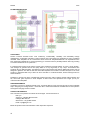
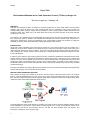
PhUSE 2015 The screenshot below shows the typical output specific information that is currently stored within the Program Index. REQUIREMENTS Prior to starting work on a solution the high level requirements that would drive the design of the solution were identified: 1) Leverage the new modular macro library that was created to replace the ageing standard macros. 2) Maximize the re-use of information, reducing duplication of effort. 3) Minimize the information that is supplied. 4) Create a tool that is flexible enough to produce as many commonly produced tables as possible. 5) Have a simple to use, intuitive interface. DESIGN The end product of TFLGen is a tabular RTF report. Before developing a product that creates these reports, we required a detailed understanding of the structure of various tables. The first step was to break down a selection of tables into their components. THE ANATOMY OF A TABLE Each table component was analyzed and categorized into distinct types that could be described using metadata. The figure below highlights some commonly occurring components and the categories they were assigned to. Three distinct component types and their metadata were identified: Output specific components, many of which are already stored within the Program Index. Analysis level components that can be repeatedly used by many tables within an analysis. Table shell components that can be used by several outputs in an analysis (or even across analyses), but are combined with different analysis level and output specific metadata (e.g. a demography table repeated for multiple populations). Two distinct table types were identified, tiered tables such as adverse events and concomitant medications and what Amgen call base tables containing non-tiered categorical and univariate type descriptive statistics, such as baseline demography and safety summaries by visit. These table types will be referred to as tiered and base tables respectively. 2