1
PEF 82902
Appendix: Differences between Q- and T-SMINT‚I
•
AWR
U0
IOM Awaked
DC
TIM
AR
DI
U0
Deactivated
DC U0, DA
AWR
AR
T6S
T05E
U1W
Start Awaking Uk0
RSY
T6S
T05S
T05S
U0
Deactivating
DC
AWR
AWT
T6S
T6E
U0
Awake Signal Sent
RSY
AWR
T13S
T13E
U0
Ack. Sent / Received
AWT
AWR
T13S
RSY
U1W
Sending Awake-Ack.
RSY
T13S
(DI & T05E)
T12S
U1A
Synchronizing
RSY
(U0 & T12E)
U2
T05S
U0
Pend. Deactivation
DR
DI
DR
T05S
SSP or LTD
DT
U1
SBC Synchronizing
AR / ARL
U0
LOF
ANY STATE
RES
AI
U3
Wait for Info U4H
AR / ARL
SP / U0
Test
DI
U0
Reset
DR
U0
LOF
U4H
U0
U5
Transparent
AI / AIL
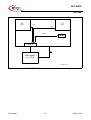
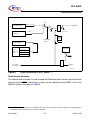
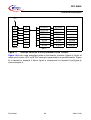
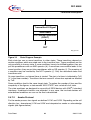
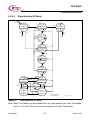
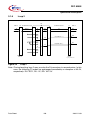
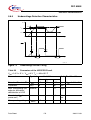
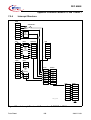
Figure 76
U0
LOF
U0
Loss of Framing
RSY
NT_SM_4B3T_cust.emf
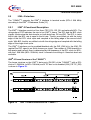
IEC-T/NTC-T Compatible State Machine T-SMINTâI: 4B3T
Both the Q- and the T-SMINTâI U-transceiver can be controlled via state machines,
which are compatible to those defined for the old NT generation INTC-Q and NTC-T.
Additionally, the Q-SMINTâI possesses a newly defined, so called ‘simplified‘ state
machine. This simplified state machine can be used optionally instead of the INTC-Q
compatible state machine and eases the U-transceiver control by software. Such a
simplified state machine is not available for the T-SMINTâI.
Data Sheet
183
2001-11-09