1
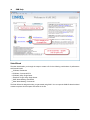
Utility Sale Leaseback
451
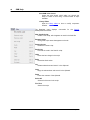
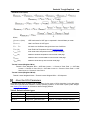
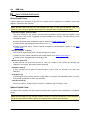
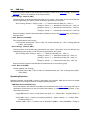
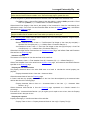
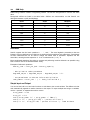
PPA Price
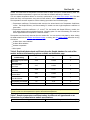
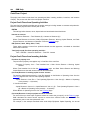
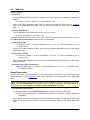
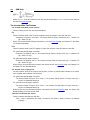
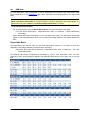
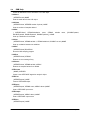
The power price in cents per kWh. This is the price that would be negotiated as part of a power
purchase agreement.
Escalation Rate
An escalation rate applied to the PPA price in Year One to calculate the electricity sales price in years two
and later in the project cash flow.
SAM does not apply the inflation rate to the PPA price. If you do not specify a PPA price escalation rate,
SAM assumes that the same price applies in all years of the analysis period.
Notes.
For most analyses, the PPA price is equal to the PPA price in Year One of the cash flow. The price in
Years two and later is the PPA price adjusted by the optional escalation rate.
If your analysis involves TOD factors, the Year One PPA price is the PPA price that you specify on the
Financing page adjusted by the time-of-delivery (TOD) factors and schedule that you specify either on
the Time of Delivery Factors page, or for concentrating solar power (CSP) systems, on the Thermal
Energy Storage page.
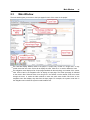
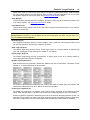
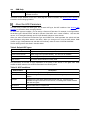
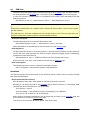
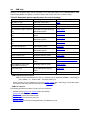
Sale Leaseback
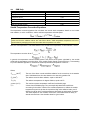
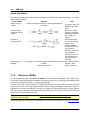
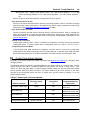
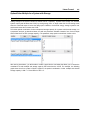
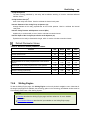
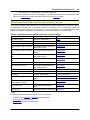
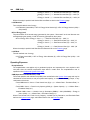
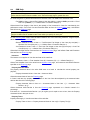
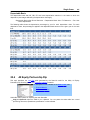
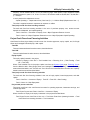
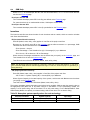
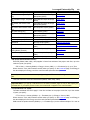
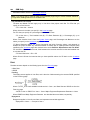
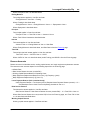
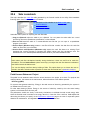
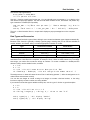
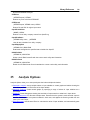
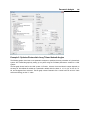
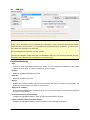
The Sale Leaseback input variables determine the developer's operating margin and size of the lease
payment reserve account. SAM includes the developer's margin as a project expense in the cash flow.
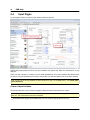
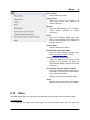
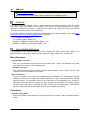
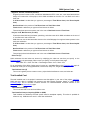
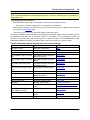
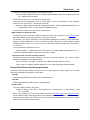
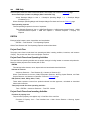
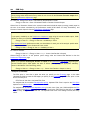
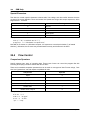
Lessee Operating Margin
The developer's margin in dollars per kilowatt of system nameplate capacity.
Lessee Margin Escalation
An annual escalation rate that applies to the developer's margin. The inflation rate does not apply to the
developer's margin.
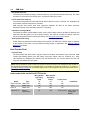
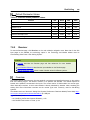
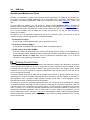
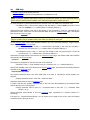
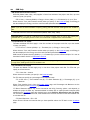
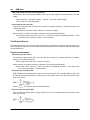
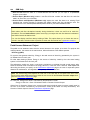
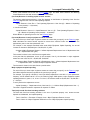
Lessor Required Lease Payment Reserve
The size of the lease payment reserve account in months. (In some cases, the tax investor may require
that the developer fund a reserve account.)
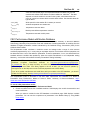
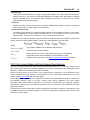
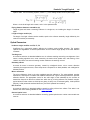
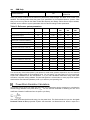
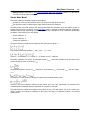
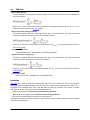
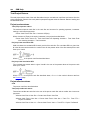
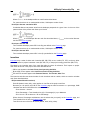
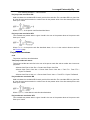
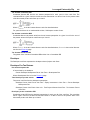
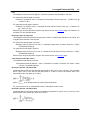
Lease Reserve Amount ($) = Lessor Required Lease Payment Reserve (months) / 12 (months/yr) ×
Year 1 Pre-tax Operating Cash Flow ($/yr)
The lease reserve amount is part of the project Financing Cost reported on the Metrics table, which is
included in the issuance of equity value in the cash flow.
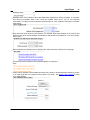
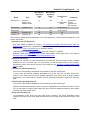
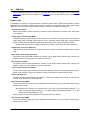
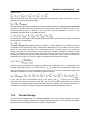
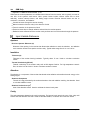
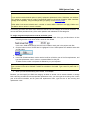
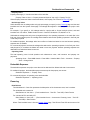
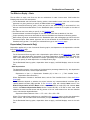
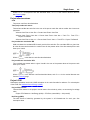
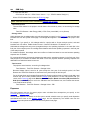
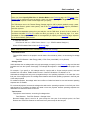
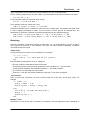
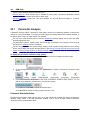
Amount
This amount of the developer's margin.
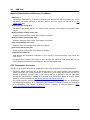
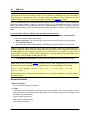
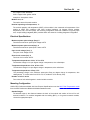
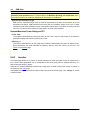
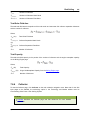
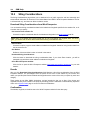
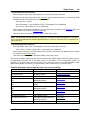
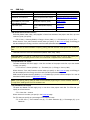
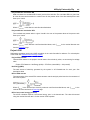
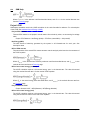
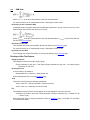
Amount ($) = Lessee Operating Margin ($/k W) × System Nameplate Capacity (k W)
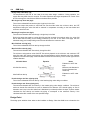
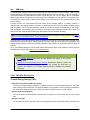
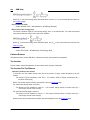
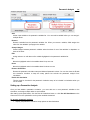
The system nameplate capacity depends on technology being modeled. SAM converts the capacity value to
the appropriate units (MW, kW, or W) before using it in calculations. For the photovoltaic models, the
capacity is a DC power rating, and for the others it is an AC power rating. For the BeOpt/TRNSYS Solar
Water Heating Model, the capacity is a thermal rating, while for the others it is an electric rating.
System Advisor Model 2014.1.14