1
Outlook
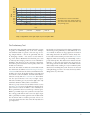
bracket the potential customer will probably opt for a solar
home system or a diesel generator. Of the systems rated
‘good’ in technical terms, the Indian Aishwarya stands out
because of its especially favourable price. It failed to attract a better technical evaluation only because of its faulty
ballast and minor issues in workmanship. The Aishwarya
is therefore the clear winner in the price-to-performance
comparison.
In the ‘good’ technical category, two other products are
ranked behind this model, both from German development initiatives. The systems did not achieve a better ranking because of their unsatisfactory solar modules. While the
Solux LED 100 otherwise deserved a ‘very good’ rating in
technical terms, the weak light output of the Solar 2007-1
counted against it. Taking into account their substantially
higher price, both systems fall by one grade. Their purchase
price is higher than the annual lighting costs of the typical
target household, and the running costs are also substantially higher than those of most other systems examined.
Thus in terms of value-for-money the two German solar
lanterns fall behind the systems technically assessed as ‘satisfactory’. In this category the second Indian system, the
original Mightylight, shows up well. Here a better technical
assessment is prevented mainly by the poor battery durability and the lack of a ballast. The manufacturer has, however, prompted by this test result, already brought an improved version to market. The German Solux LED 50 just
succeeded in gaining a positive rating for its price performance. The chief fault on this especially bright and handy
lantern is its lack of weather resistance.
The Glowstar failed both the technical test and in terms of
value-for-money. This unusually heavy and cumbersome
lantern was a pioneer of the market sector, but exhibits defects in workmanship and offers only a poor solar fraction
and modest light duration.
The quality of solar lanterns on the market is mixed, and
prices are still too high for them to sell in great numbers in
view of the low saving rates of poor households. However,
we expect prices to drop below 50 % of 2008 values over
the next few years, which will make solar lanterns clearly
more economic than kerosene lamps. As they offer higher
quality lighting, better handling, environmental advantages
and sometimes radio or mobile phone charging, massive
market growth can be expected in the near future – despite
the limiting influence of higher upfront payments for solar
lanterns (which can only partly be addressed through credits). In light of the mixed test results, informing potential
consumers about lantern quality will be of great importance
for a healthy market development.
Price-to-performance winner:
Aishwarya NEST-6543
Photo: Gocke