1
246
Chapter 4
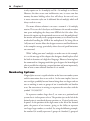
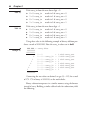
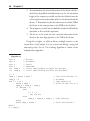
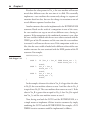
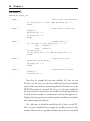
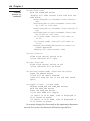
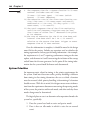
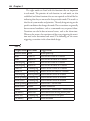
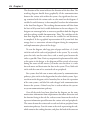
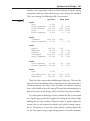
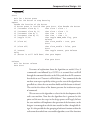
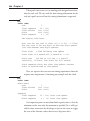
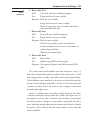
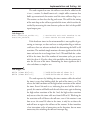
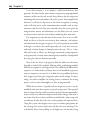
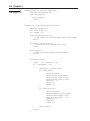
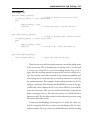
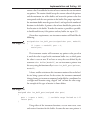
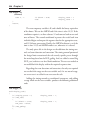
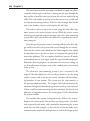
Taking each task in turn, we can now begin the design of timer functions for each task. We start with the basic timing information for the
task and a quick review of how the timing information is organized:
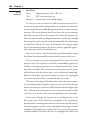
Notes
Task1 (LED)
scan
flash response
flash offtime
blank
blank response
5
50
1000
2000
8
( 100)
(1100)
(2222)
( 16)
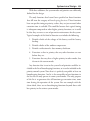
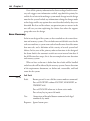
LED Display task notes:
Scan rate for the task is 360Hz +20/-0 (2.635 - 2.777mS)
The scan rate if for one digit to the next digit update
(not time between same digit updates)
Alarm flash
0-50mS following time update
Alarm flash is ½ second off, ½ second on +/-10%
Blank time
909.9mS to 1111.1mS +/-0 overall
(basically, if blank, then blank for full second)
Blank response within 8mS after time update, maximum
Blank is synchronized to time update
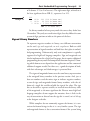
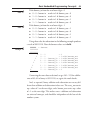
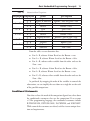
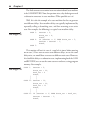
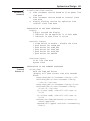
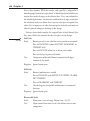
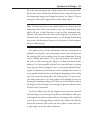
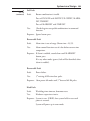
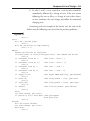
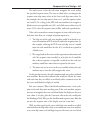
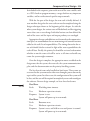
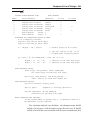
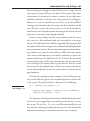
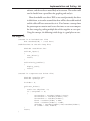
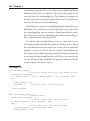
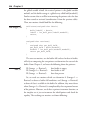
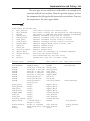
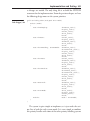
Next, we separate the event-to-event timing requirements from the
response time requirement. Continuing our example with the clock:
Notes
Task1 (LED)
Event-event
scan
flash offtime
blank
Response
flash response
blank response
5
1000 (1100)
2000 (2222)
50 ( 100) after time update
8 ( 16) after time update
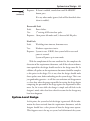
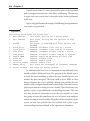
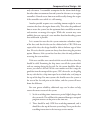
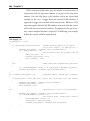
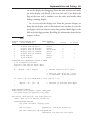
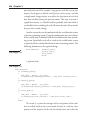
One important point to note about both response times is that the
minimum can be zero; only the maximum is specified. So, it will typically be more convenient for the design to just use the event to trigger
the start of the function, rather than create a skip timer for it.