1
involves syntax, semantics, possession of previous knowledge, interpretation
and inferencing. Since each student will do this differently, encountering
different problems, verification of comprehension is not effective in class and is
too time-consuming to be done on an individual basis. The computer, on the
other hand, can identify individually what a student does or does not
understand; it can also interact with a student based on the latter's listening
skills.
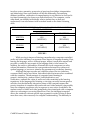
THE COMPUTER'S POTENTIAL FOR LANGUAGE LEARNING WRITING,
READING, LISTENING
PRODUCTION
RECEPTION
WRITTEN
YES
(WRITING)
YES
(READING)
SPOKEN
NO
(SPEAKING)
YES
(LISTENING)
FIGURE 1
While serving to improve listening comprehension, computer controlled
audio and video interfaces can promote other aspects of language learning. First,
hearing the language, with or without images, makes it seem more natural and
provides a context for any aspect of the language that is to be learned. In
addition, the audio or information, illustrate the visual component can offer
cultural information, illustrate the correspondence between the written and
spoken language, or serve as a stimulus for grammar and vocabulary learning.
Although the tape recorder and videodisc player (the two interfaces
concerned here) can be used alone, their effectiveness increases when combined
with the computer. The advantages of computer-based learning in
general—interactivity, student control, individualization, and
verification—enhance the value of audio and video materials in the learning
experience. In the language lab, listening or viewing can easily become passive
activities, but the inherently interactive nature of the computer means that
passive reception of computer delivered audio and video material is impossible,
since the computer progresses only in response to user action. In addition, the
student control of audio and video peripherals when interfaced with a computer
offers two advantages over using them alone. First, the intelligent computer
allows the student to relocate specific tape segments in order to listen to them
more than once, often necessary for complete understanding. The difficulty in
CALICO Journal, Volume 6 Number 4
53