1
ION REFERENCE
09/2008
Sliding Window Demand Module
Power utilities generally bill commercial customers based on their energy
consumption (in kWh) and their peak usage levels, called peak demand (in kW).
Demand is a measure of average power consumption over a fixed time interval,
typically 15 minutes. Peak (or maximum) demand is the highest demand level
recorded over the billing period. Sliding window demand is one method of
measuring demand.
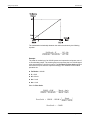
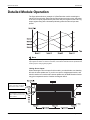
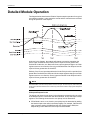
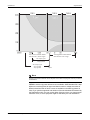
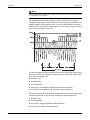
To compute sliding window demand values, the Sliding Window Demand module
uses the sliding window averaging (or rolling interval) technique which divides the
demand interval into subintervals. The demand is measured electronically based
on the average load level over the most recent set of subintervals. This method
offers better response time than fixed interval methods.
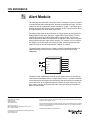
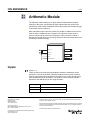
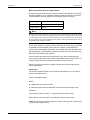
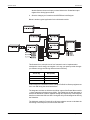
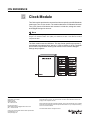
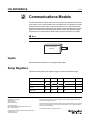
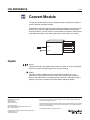
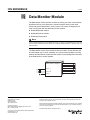
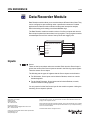
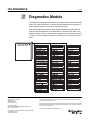
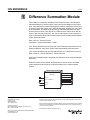
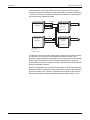
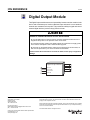
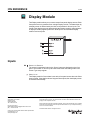
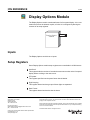
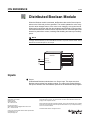
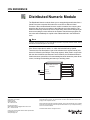
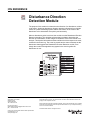
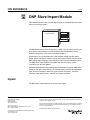
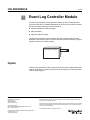
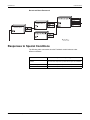
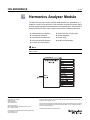
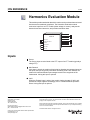
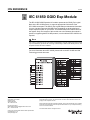
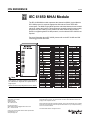
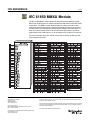
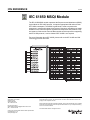
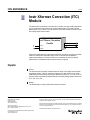
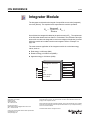
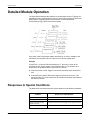
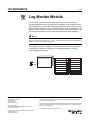
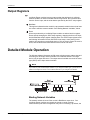
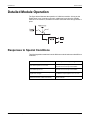
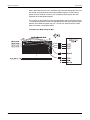
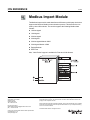
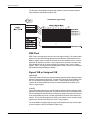
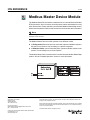
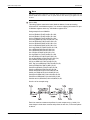
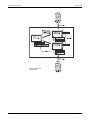
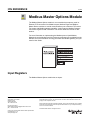
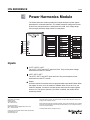
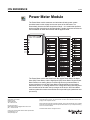
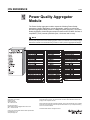
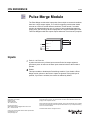
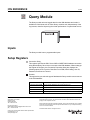
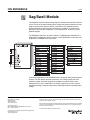
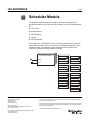
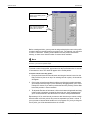
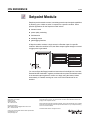
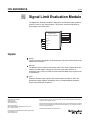
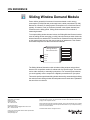
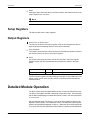
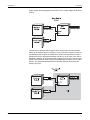
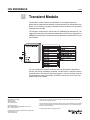
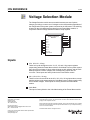
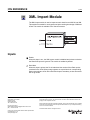
Sliding Window
Demand Module
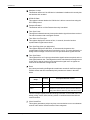
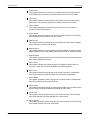
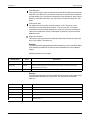
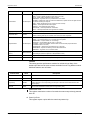
Source
Enable
Sync
SWinDemand
PredDemand
Time Left
Interval End
Event
Reset
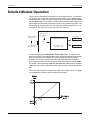
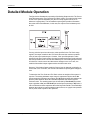
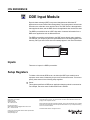
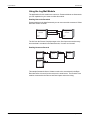
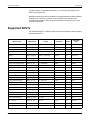
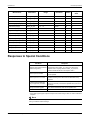
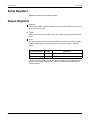
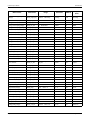
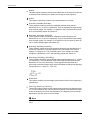
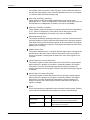
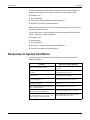
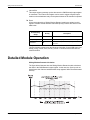
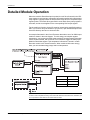
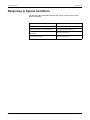
The Sliding Window Demand module calculates sliding window and predicted
demand over a specified number of subintervals of a specific length. The module
can be either internally or externally synchronized. For external synchronization,
you would typically use the output from a Digital Input module as a Sync pulse.
The module performs predicted sliding window demand by automatically predicting
the value that each sliding window demand parameter will attain when updated at
the start of the next interval.
Schneider Electric
2195 Keating Cross Road
Saanichton, BC
Canada V8M 2A5
Tel: 1-250-652-7100
For technical support:
[email protected]
(00) + 1 250 544 3010
Contact your local Schneider Electric sales representative
for assistance or go to
www.powerlogic.com
ION, PowerLogic and Schneider Electric are trademarks or registered trademarks of
Schneider Electric in France, the USA and other countries. Other trademarks used are the
property of their respective owners.
Electrical equipment should be installed, operated, serviced, and maintained only by qualified
personnel. No responsibility is assumed by Schneider Electric for any consequences arising
out of the use of this material.
© 2008 Schneider Electric. All rights reserved.