1
Software Engineering
6.1.4.2
System Design
A Client of a Component
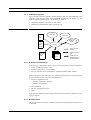
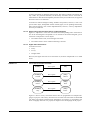
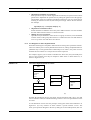
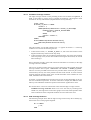
For a client of a component, the client’s primary interest is the interface of the component. The interface consists essentially of the export declarations of the component.
Since the resources declared in the export declarations may reference resources defined
in other components of the system, such referenced components must thus be imported
and made available to the clients through the components’s interface.
6.1.4.3
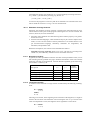
The Service, the Service Primitives, and the Protocol
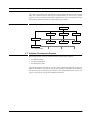
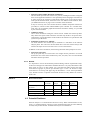
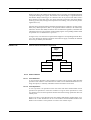
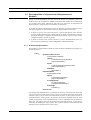
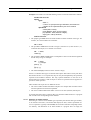
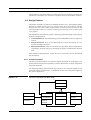
A component provides a service to other subsystems. A service is a group of related
functions, the so-called service primitives, that share a common purpose. An example of
a service is a file system of a computer which provides service primitives for creating,
naming, renaming, manipulating, and deleting files and directories. A service primitive
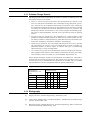
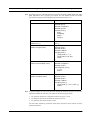
is characterised by its signature and its semantics:
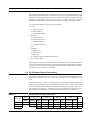
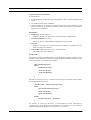
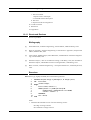
•
•
•
•
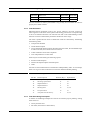
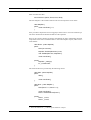
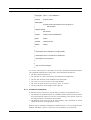
a name (or address, sometimes also called a service access point)
the type and number of parameters as arguments
the type of the result
the description.
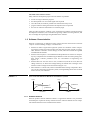
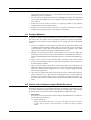
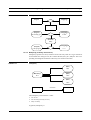
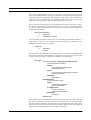
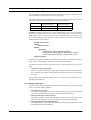
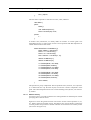
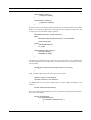
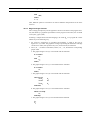
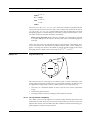
The protocol of a service is characterised by the set of service primitives the component
provides, and by a set of communication rules (legal sequences of using the service
primitives) that specify the form of all interactions across the boundaries of the component.
6.1.4.4
Client/Server or Peer-to-Peer Relations among Components
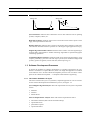
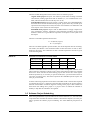
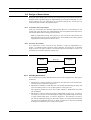
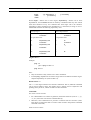
The communication between two components can be client-server or peer-to-peer. In a
client-server relationship, the client calls on the server, which performs some service
and replies with a result. The client must know the server’s interface (i.e., informations
such as the service name and/or the address of the service), but the server does not have
to know the interfaces of its clients, because all interactions are initiated by the clients.
The communications relation is said to be asymmetric. The USES relation is not circular.
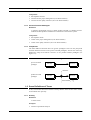
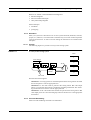
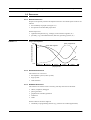
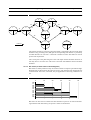
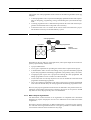
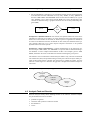
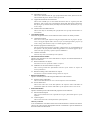
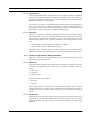
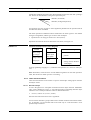
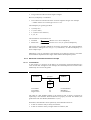
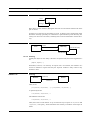
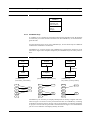
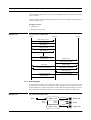
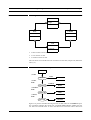
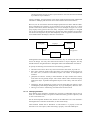
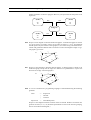
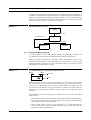
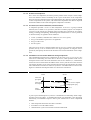
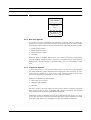
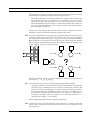
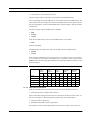
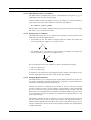
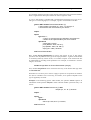
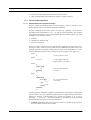
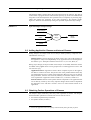
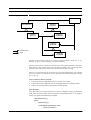
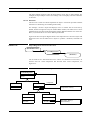
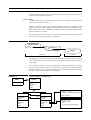
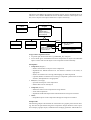
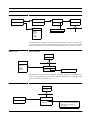
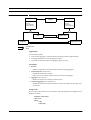
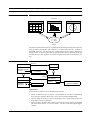
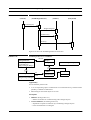
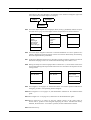
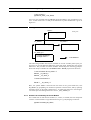
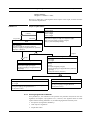
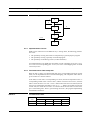
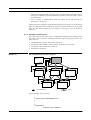
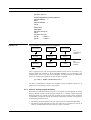
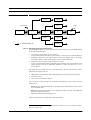
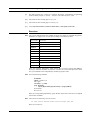
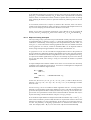
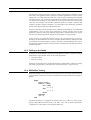
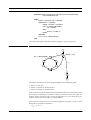
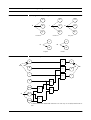
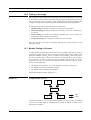
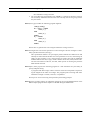
Figure 6-4 illustrates the temporal order of a client-server interaction.
FIGURE 6-4
Client-Server Interaction
Client
Server
client sets
up request
client waits
for response
server is
idle
server receives request
and prepares reply
client
continues
server is
idle
time
time
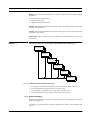
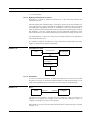
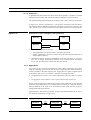
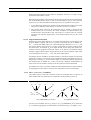
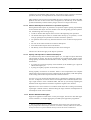
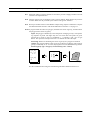
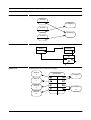
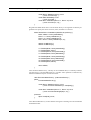
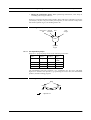
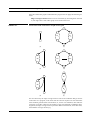
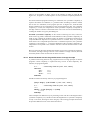
A peer-to-peer relationship has a symmetric communications relationship. Each component may call on the others. A communication from one component is not necessarily
followed by an immediate response. Peer-to-peer interactions are more complicated
because:
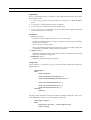
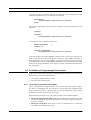
• each component must know each other’s interface
• it introduces a circular USES relation
• communication cycles can exist that are hard to understand.
IS Biel/DUE 96/97
6-6