1
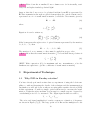
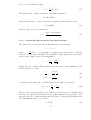
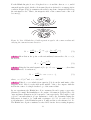
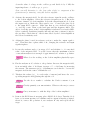
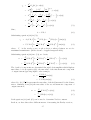
the transformation matrix is,
J (φ) =
µ

cos2 φ
cos φ sin φ
.
sin φ cos φ
sin2 φ
(31)
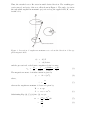
Q 8. Write the Jones vector for the combination of the polarizer, sample and
analyzer, placed in the same order.
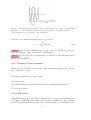
You can conclude from Q 8 that electric field of the light beam after emerging from
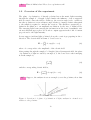
the sample followed by the analyzer is,
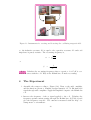
µ

cos(φ − θ) cos φ
Ẽ =
Ao exp i(kz − wt).
(32)
cos(φ − θ) sin φ
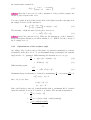
The intensity of light measured by the photodetector is,
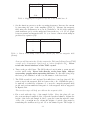
I = kA20 [cos2 (φ − θ)].
(33)
Q 9. Derive the expression (33). What are the dimensions of the constant k?
In the subsequent discussion, we will normalize k = 1. (HINT: Use the concept of
the Poynting vector.)
3.2.1
Optimization of the analyzer angle
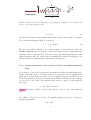
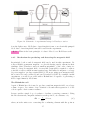
According to Eq. 33, the rotation of the plane of polarization manifests as a change
in intensity at the photodiode. To get maximum change in intensity, the analyzer
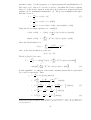
angle needs to be optimized. Differentiating the intensity w.r.t φ, we get,
dI
= A20 2 cos(φ − θ) sin(φ − θ)
dφ
= A20 sin 2(φ − θ).
(34)
(35)
Differentiating again,
¡
¢
d2 I
2
=
2A
cos
2(φ
−
θ)
.
0
d2 φ
Maximum change in intensity is obtained by maximizing
(36)
dI
dφ
or by setting
d2 I
dφ2
= 0,
2A20 cos 2(φ − θ) = 0
since, A0 6= 0, we have,
cos 2(φ − θ) = 0
(φ − θ) = 45o .
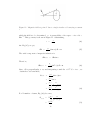
Since, the Faraday rotation θ is much smaller than φ, maximum ∆I is obtained
when the analyzer is set at 45o relative to polarizer. The measured intensity is,
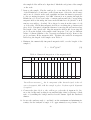
A20
[1 + cos2(φ − θ)]
2
A20
=
[1 + cos(2φ) cos(2θ) + sin(2φ) sin(2θ)]
2
(1 + sin(2φ) sin(2θ))
= A20
.
2
I =
13