1
28-MT STARTER
1M/128
4/96
PAGE
7
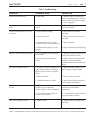
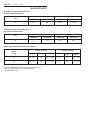
Table 1. Troubleshooting
CONDITION
PROBABLE CAUSE
CORRECTION*
Normal current and speed
a. Starter OK
a. Recheck battery, switches and
wiring, including battery cable loss
check if starter operation on engine
is slow or sluggish
Current flow with test circuit switch
open
a. Solenoid switch contacts stuck
closed
a. Test and, if necessary, replace
solenoid assembly
Failure to operate with very low or
no current
a. Open solenoid winding
a. Inspect and test solenoid
assembly
b. Open field circuit
b. Inspect and test frame and field
assembly
c. Open armature coil(s) or high
insulation between commutator bars
c. Inspect armature
d. Broken brush spring(s) or worn
brushes
d. Inspect brushes and brush springs
a. Frozen bearing or other damage
to drive train
a. Inspect bearings, armature, drive
shaft and related drive parts
b. Direct ground in terminals or
fields
b. Inspect and test frame and field
assembly, solenoid assembly,
armature and brush installations for
shorts
a. Excessive friction in bearing(s) or
gear reduction unit, bent armature
shaft or loose pole shoe, bent drive
shaft
a. Inspect bearing, armature, drive
shaft, and gear reduction gears
b. Shorted armature
b. Inspect and test armature
c. Grounded armature or fields
c. Inspect and test frame and field
coil assembly and armature
a. High internal electrical resistance
caused by poor connections,
defective leads or dirty commutator
a. Inspect internal wiring, electrical
connections and armature
commutator
b. Causes listed under "Failure to
operate with no current"
b. Corrections listed under "Failure
to operate with no current"
a. Shorted fields
a. Inspect and test field and frame
assembly
Failure to operate with high current
Low speed with high current
Low speed with normal (or low)
current
High speed with high current
*Refer to UNIT REPAIR section for required disassembly, inspection, test and, if necessary repair or replacement instructions.