1
Queensland Health: Spirometry (Paediatric)
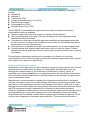
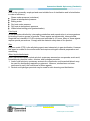
Common transmissible infectious diseases often seen in the Respiratory Laboratory
include:
Hepatitis B
Hepatitis C
Tuberculosis (TB)
Human Immunodeficiency Virus (HIV)
Pseudomonas cepacia
Cytomegalovirus (CMV)
Varicella Zoster Virus (VZV).
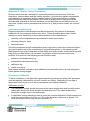
The ATS/ERS 5 recommends extra precautions are taken for patients with known
transmissible infectious diseases.
Reserve equipment for the sole purpose of testing infected patients.
Test infected patients at the end of the day, allowing time for the equipment to be
disassembled and disinfected.
Test patients in their own rooms with adequate ventilation and appropriate protection
for the technician. A negative air conditioned room is ideal for this situation and aids in
the prevention of cross contamination.
Place patients in a separate area apart from other patients, not in open waiting areas.
Provide patients with surgical masks and instruct them to wear the masks. Provide
patients with tissues and instructions on covering their mouth and nose when coughing
or sneezing.
Environmental engineering controls such as ventilation, air filtration or ultraviolet
decontamination of air should be used to help prevent disease transmission where spread
is by droplet nuclei as seen in tuberculosis.
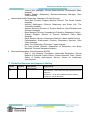
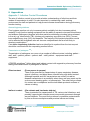
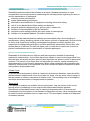
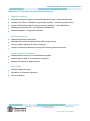
Cleaning and Disinfecting Procedures
Mouthpieces, nose clips, and any other equipment coming into direct contact with mucosal
surfaces should be disinfected, sterilized, or, if disposable, discarded after each use.
Although the optimal frequency for disinfection or sterilization of tubing, valves, or
manifolds has not been established, any equipment surface showing visible condensation
from expired air should be disinfected or sterilised before reuse whenever the potential for
cross contamination exists.
Manufacturer’s recommendations regarding the cleaning and disinfection of equipment
must be consulted in order not to cause damage with the wrong cleaning procedure. Heat
sterilisation or cold sterilisation chemicals can damage flow sensors, tubes and/ or seals.
Manufacturers should describe the recommended chemicals and concentrations as well as
the PPE required by the staff undertaking the cleaning and disinfection procedure.
However, Queensland Health infection control requirements supersede the manufacturer’s
recommendations so long as the equipment will not be damaged by these procedures.
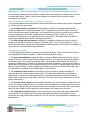
All materials must be cleaned of debris before undergoing the disinfection process. There
are four main categories of sterilization and disinfection. These are described below 9.
Version No.: 1.0; Effective from: 26 November 2012
Page 21 of 36
Printed copies are uncontrolled