1
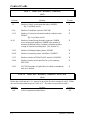
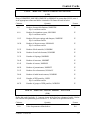
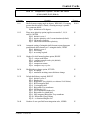
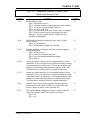
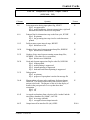
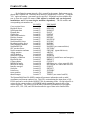
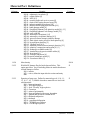
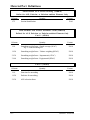
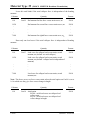
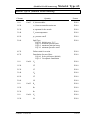
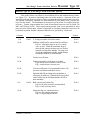
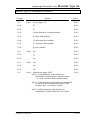
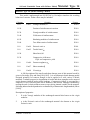
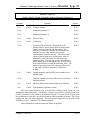
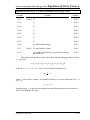
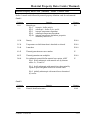
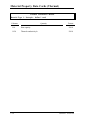
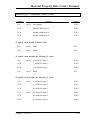
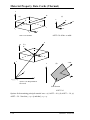
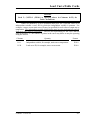
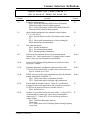
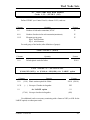
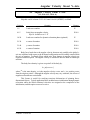
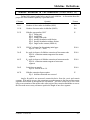
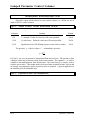
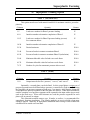
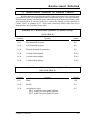
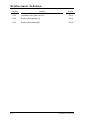
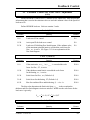
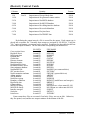
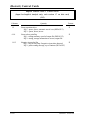
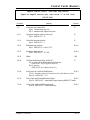
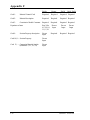
Material/Part Definitions
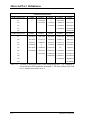
Columns
Quantity
Format
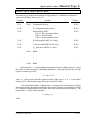
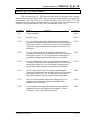
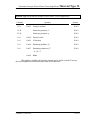
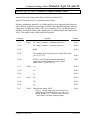
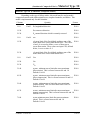
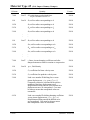
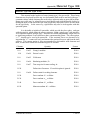
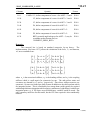
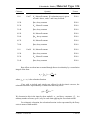
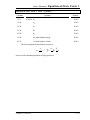
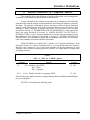
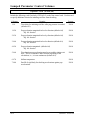
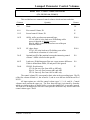
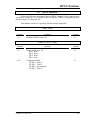
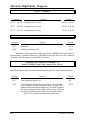
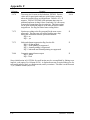
51-60
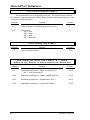
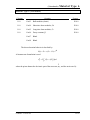
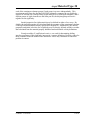
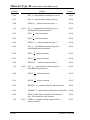
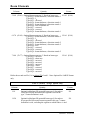
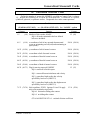
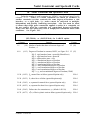
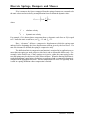
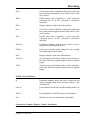
r-rotational constraint for local coordinate system
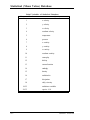
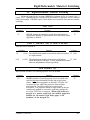
EQ.0.0: Coordinate ID rotates about r axis with nodes.
EQ.1.0: Rotation is constrained about the r-axis
E10.0
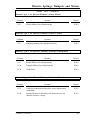
61-70
s-rotational constraint for local coordinate system
EQ.0.0: Coordinate ID rotates about s axis with nodes.
EQ.1.0: Rotation is constrained about the s-axis
E10.0
71-80
t-rotational constraint for local coordinate system
EQ.0.0: Coordinate ID rotates about t axis with nodes.
EQ.1.0: Rotation is constrained about the t-axis
E10.0
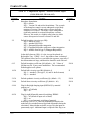
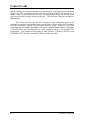
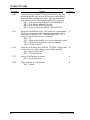
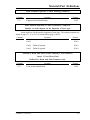
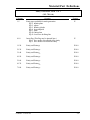
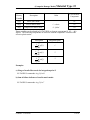
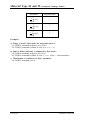
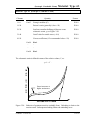
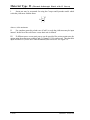
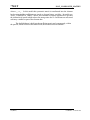
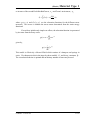
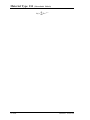
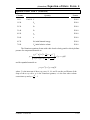
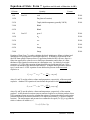
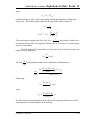
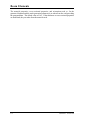
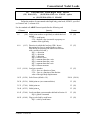
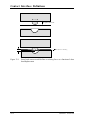
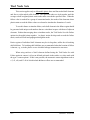
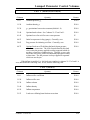
Negative values for the cable offset will make the cable slack in its initial
configuration. Positive values will induce a tensile force when the calculation begins.
Negative offset values that exceed the length of the cable will reset internally to the cable
length. Nodal masses are calculated from the volume and density of the element.
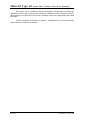
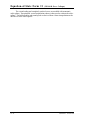
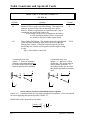
The local coordinate system rotates as the nodal points that define the beam rotate.
In some cases this may lead to unexpected results if the nodes undergo significant rotation.
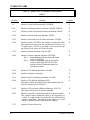
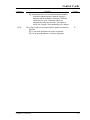
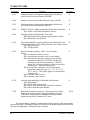
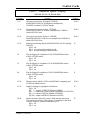
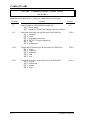
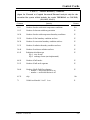
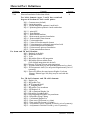
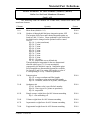
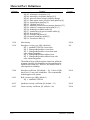
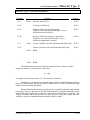
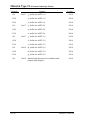
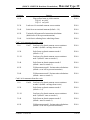
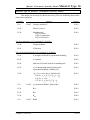
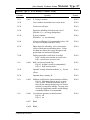
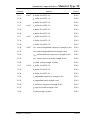
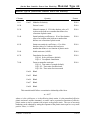
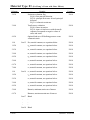
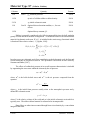
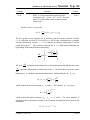
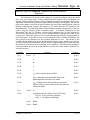
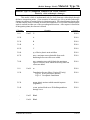
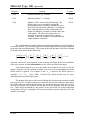
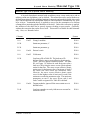
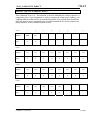
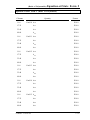
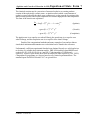
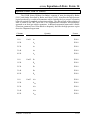
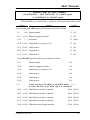
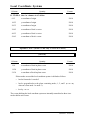
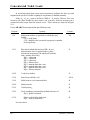
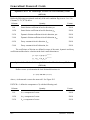
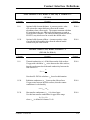
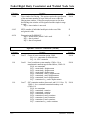
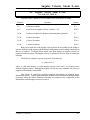
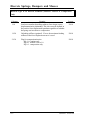
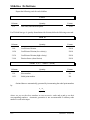
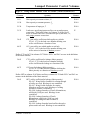
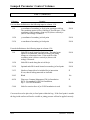
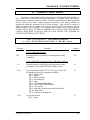
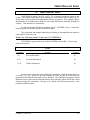
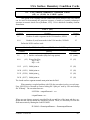
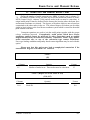
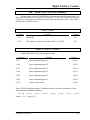
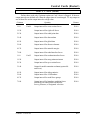
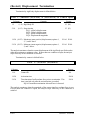
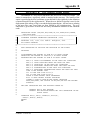
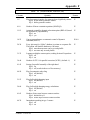
Shell Element Section Card (IARB=1) 1 of 2 (4E10.0,I5)
Define for Shell and Membrane Elements
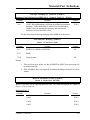
Columns
Quantity
Format
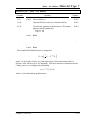
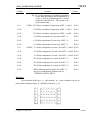
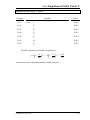
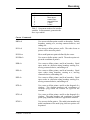
1-10
Shear factor (default = 1.0)
E10.0
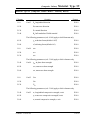
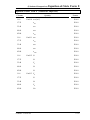
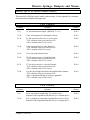
11-20
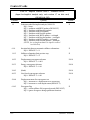
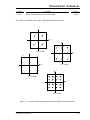
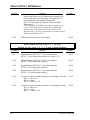
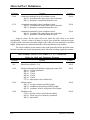
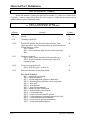
Number of through shell thickness integration points, NIP
EQ.1.0: 1 point (membrane)
EQ.2.0: 2 point
EQ.3.0: 3 point
EQ.4.0: 4 point
EQ.5.0: 5 point
GT.5.0: trapezoidal or user defined rule
E10.0
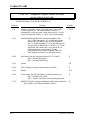
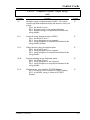
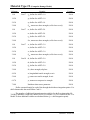
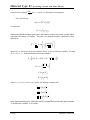
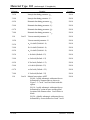
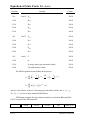
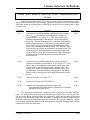
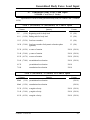
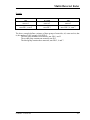
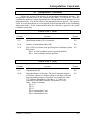
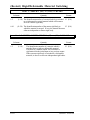
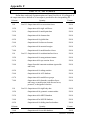
21-30
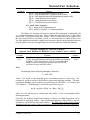
Printout option
EQ.1.0: average resultants and fiber lengths
EQ.2.0: resultants at plan points and fiber lengths
EQ.3.0: resultants, stresses at all points, fiber lengths
E10.0
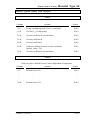
31-40
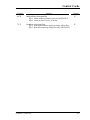
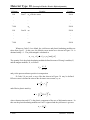
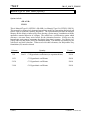
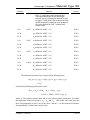
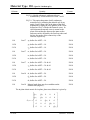
Quadrature rule
LT.0.0: absolute value is specified rule number
EQ.0.0: Gauss (up to five points are permitted)
EQ.1.0: trapezoidal
E10.0
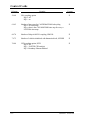
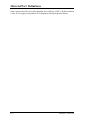
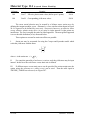
3.44
LS-DYNA Version 960