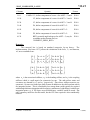
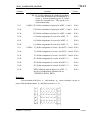
1
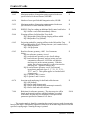
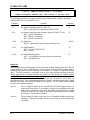
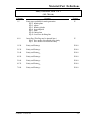
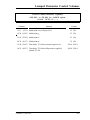
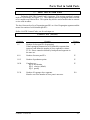
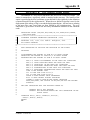
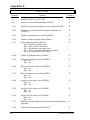
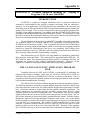
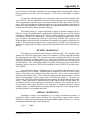
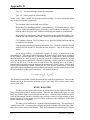
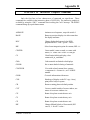
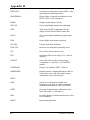
(Piecewise Linear Isotropic Plasticity) Material
Type 24
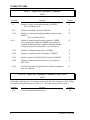
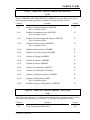
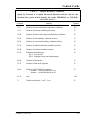
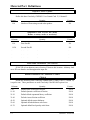
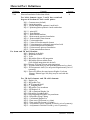
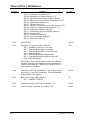
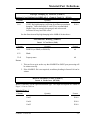
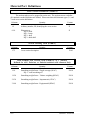
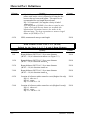
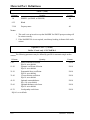
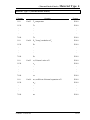
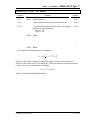
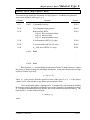
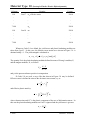
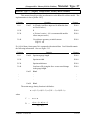
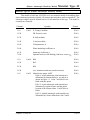
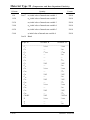
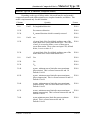
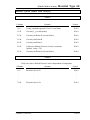
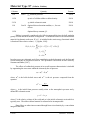
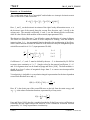
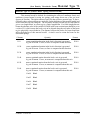
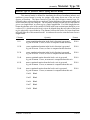
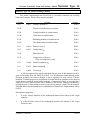
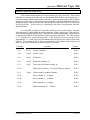
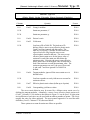
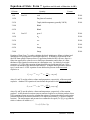
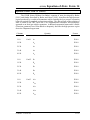
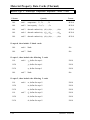
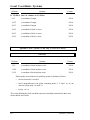
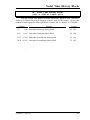
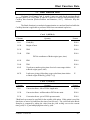
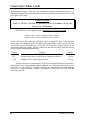
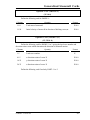
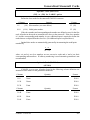
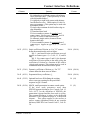
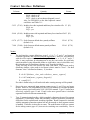
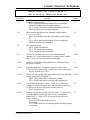
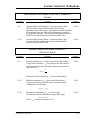
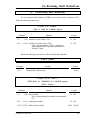
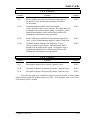
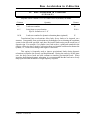
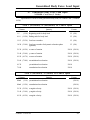
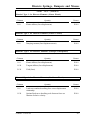
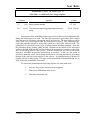
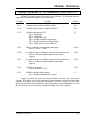
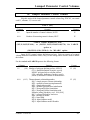
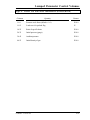
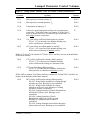
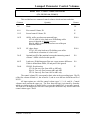
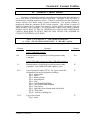
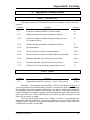
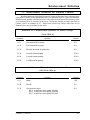
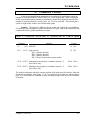
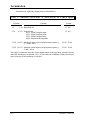
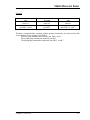
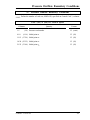
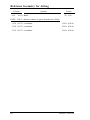
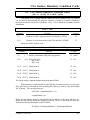
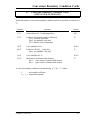
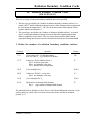
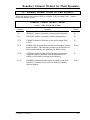
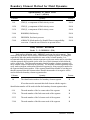
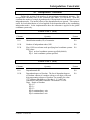
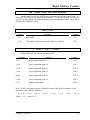
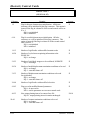
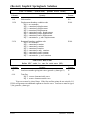
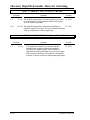
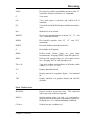
Material Type 24 (Piecewise Linear Isotropic Plasticity)
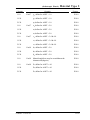
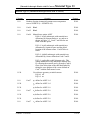
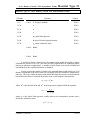
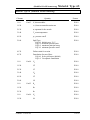
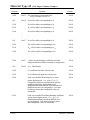
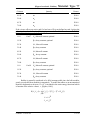
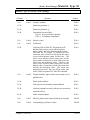
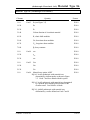
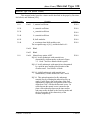
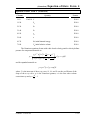
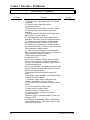
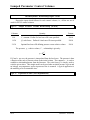
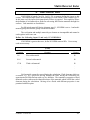
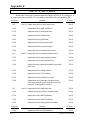
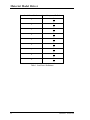
Columns
1-10
Quantity
Card 3
Format
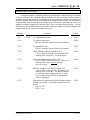
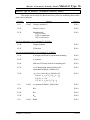
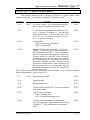
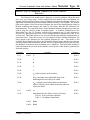
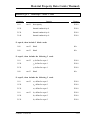
Young’s modulus
E10.0
11-20
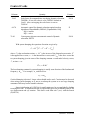
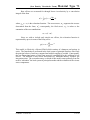
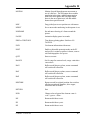
Strain rate parameter, C
E10.0
21-30
Strain rate parameter, p
E10.0
31-40
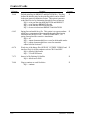
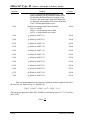
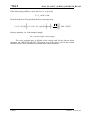
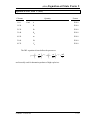
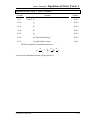
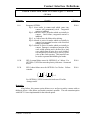
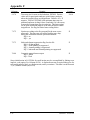
Formulation for rate effects:
EQ.0.0: Scale yield stress (default)
EQ.1.0: Viscoplastic formulation
E10.0
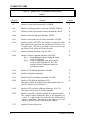
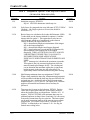
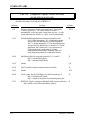
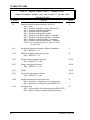
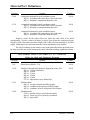
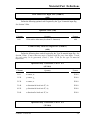
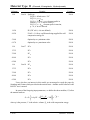
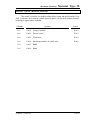
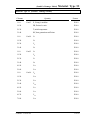
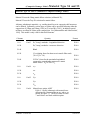
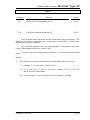
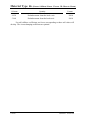
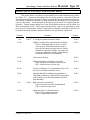
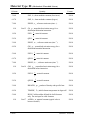
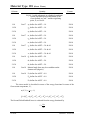
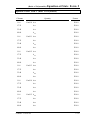
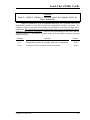
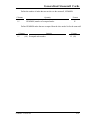
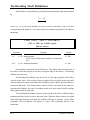
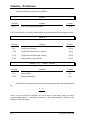
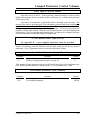
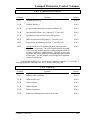
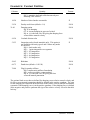
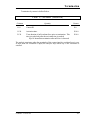
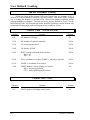
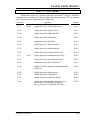
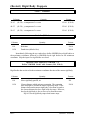
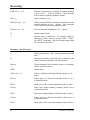
1-10
Card 4
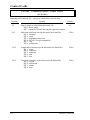
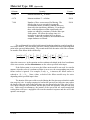
Poisson’s ratio
E10.0
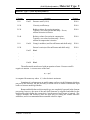
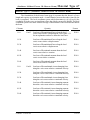
1-10
Card 5
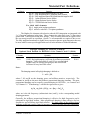
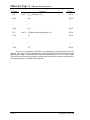
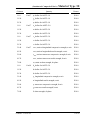
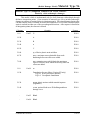
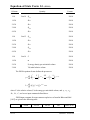
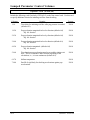
Yield stress
E10.0
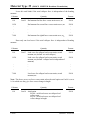
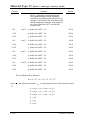
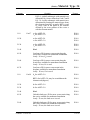
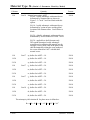
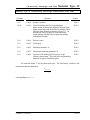
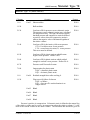
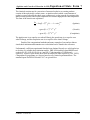
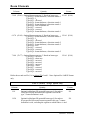
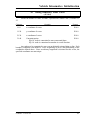
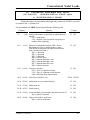
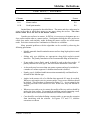
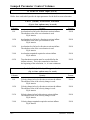
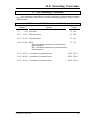
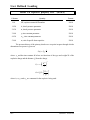
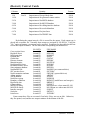
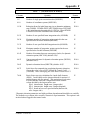
Load curve ID or Table ID. The load curve ID
defines effective stress versus effective plastic strain.
Cards 7 and 8 are ignored with this option.
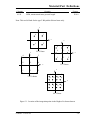
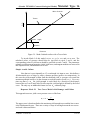
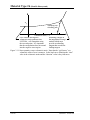
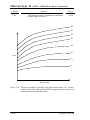
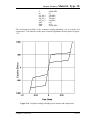
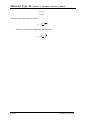
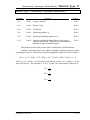
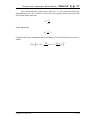
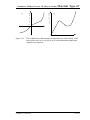
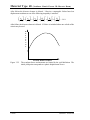
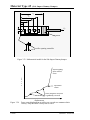
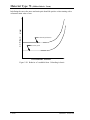
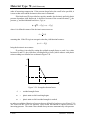
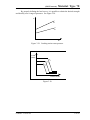
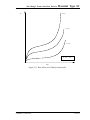
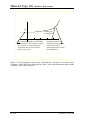
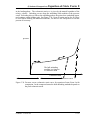
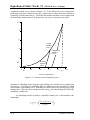
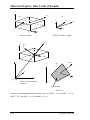
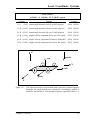
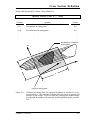
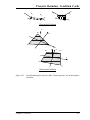
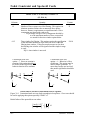
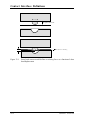
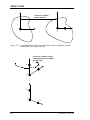
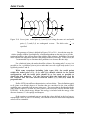
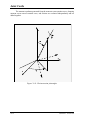
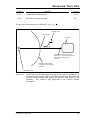
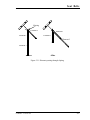
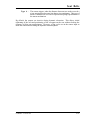
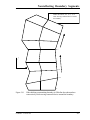
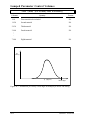
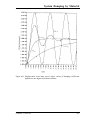
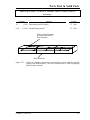
The table ID, see Figure 3.9, defines for each strain
rate value a load curve ID giving the stress versus
effectiveplastic strain for that rate. The stress versus
effective plastic strain curve for the lowest value of
strain rate is used if the strain rate falls below the
minimum value. Likewise, the stress versus
effective plastic strain curve for the highest value of
strain rate is used if the strain rate exceeds the
maximum value. The strain rate parameters on card
3, the curve ID on card 6, and cards 7 and 8 are
ignored if a Table ID is defined.
E10.0
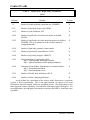
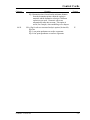
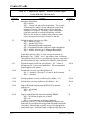
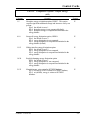
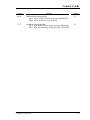
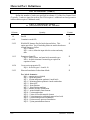
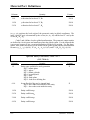
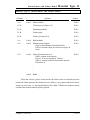
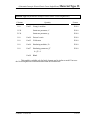
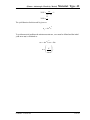
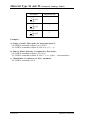
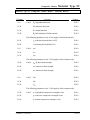
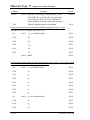
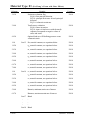
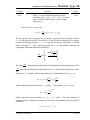
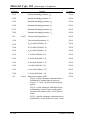
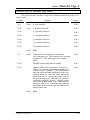
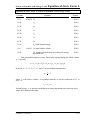
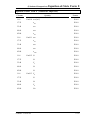
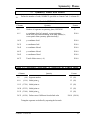
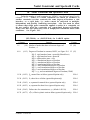
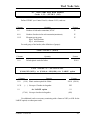
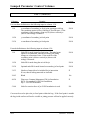
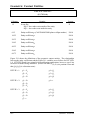
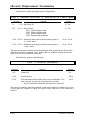
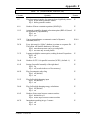
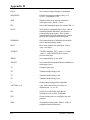
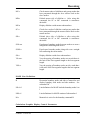
Tangent modulus, ignored if the stress-strain curve is
defined below
E10.0
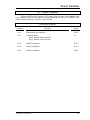
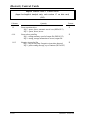
11-20
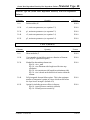
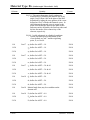
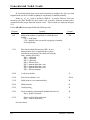
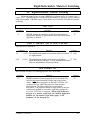
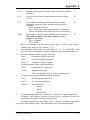
Failure flag:
LT.0.0: User defined failure subroutine is called
to determine failure
EQ.0.0: Failure is not considered. This option
is recommended if failure is not of interest since
many caluculations will be saved.
GT.0.0: Plastic strain to failure. When the
plastic strain reaches this value, the element is
deleted from the calculation.
E10.0
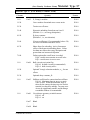
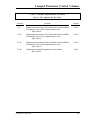
21-30
Time step size for automatic element deletion
E10.0
31-40
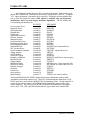
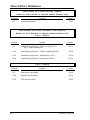
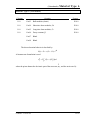
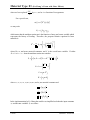
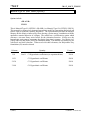
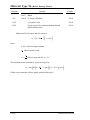
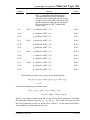
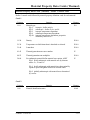
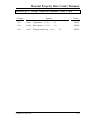
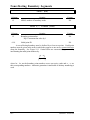
Load curve number to scale yield stress to account for
strain rate effects.
E10.0
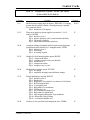
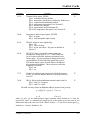
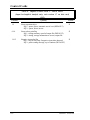
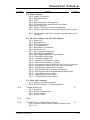
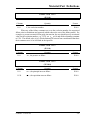
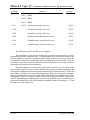
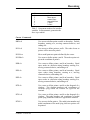
11-20
1-10
Card 6
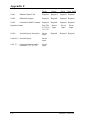
LS-DYNA Version 960
3.24.1m