1
R
Timing Constraint Analysis
Two-Phase Example
In a two-phase (use of both edges) example of the OFFSET OUT constraint, the initial clock
edge correlates to the two edges of the clock.
•
The first clock edge is at zero ns based upon the PERIOD constraint.
•
The second clock edge is one-half the PERIOD constraint.
The timing report displays the Clock Arrival time for each edge of the clock. In this
example, the clock arrival for the PERIOD LOW constraint is on the falling edge. Therefore
the clock arrival time for the falling edge synchronous elements is zero. The rising edge
synchronous elements are half the PERIOD constraint.
The resulting timing report displays the:
•
Data path
•
Clock path
•
Clock Arrival time (shown in bold)
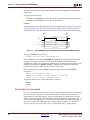
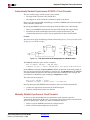
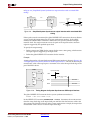
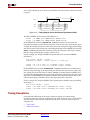
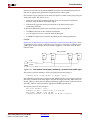
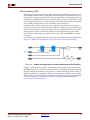
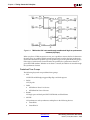
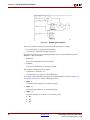
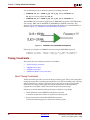
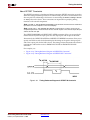
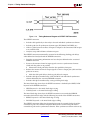
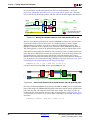
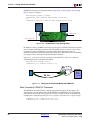
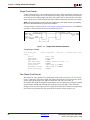
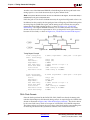
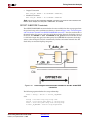
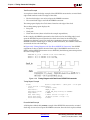
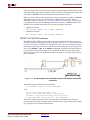
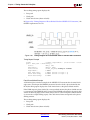
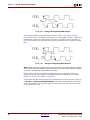
In Figure 3-51, “Timing Diagram of Two-Phase in OFFSET OUT Constraint,” the OFFSET
requirement is three ns.
Figure 3-51:
Timing Diagram of Two-Phase in OFFSET OUT Constraint
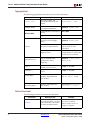
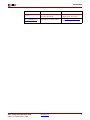
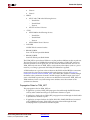
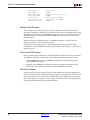
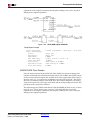
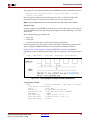
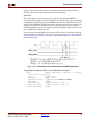
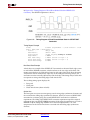
Timing Report Example
Slack:
-0.865ns (requirement - (clock arrival + clock
path + data path + uncertainty))
Source:
OutD_7 (FF)
Destination:
OutD<7> (PAD)
Source Clock:
clock3_std_bufg falling at 0.000ns
Requirement:
.3.000ns
Data Path Delay:
3.405ns (Levels of Logic = 1)
Clock Path Delay:
0.280ns (Levels of Logic = 3)
Clock Uncertainty:
0.180ns
…
Phase-Shifted Example
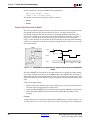
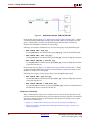
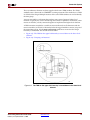
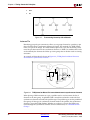
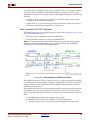
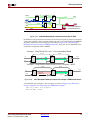
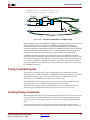
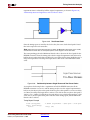
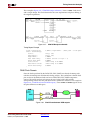
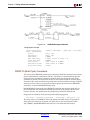
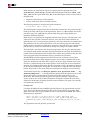
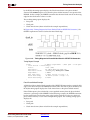
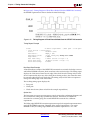
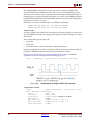
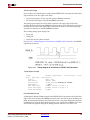
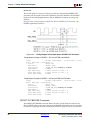
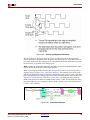
A DCM phase-shifted, CLK90, example of the OFFSET OUT constraint has the initial clock
edge at zero ns based upon the PERIOD constraint. Since the clock is phase-shifted by the
DCM, the timing report displays the Clock Arrival time as the phase-shifted amount. If the
CLK90 output is used, the phase-shifted amount is one quarter of the PERIOD. The Clock
Arrival time corresponds to the phase shifting amount, which is 2.5 ns in this case.
Xlinx Timing Contstraints User Guide
UG612 (v1.0.0) December 5, 2008
www.xilinx.com
83