1
R
Chapter 11: XST Naming Conventions
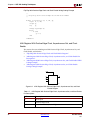
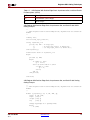
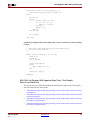
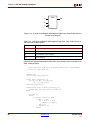
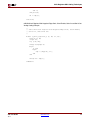
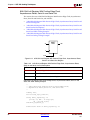
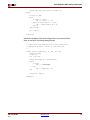
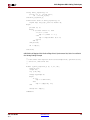
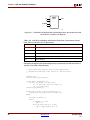
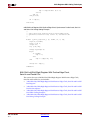
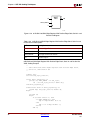
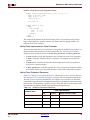
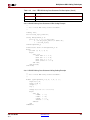
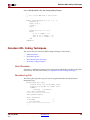
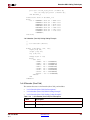
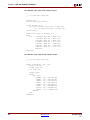
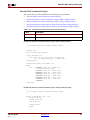
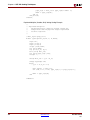
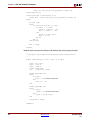
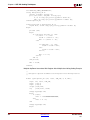
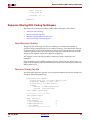
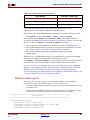
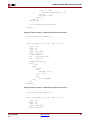
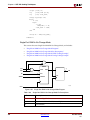
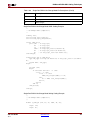
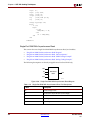
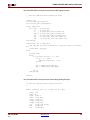
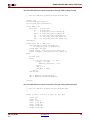
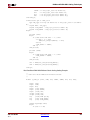
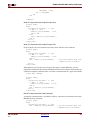
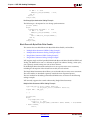
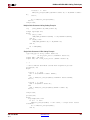
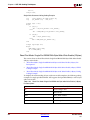
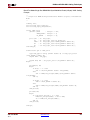
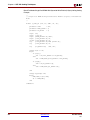
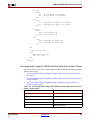
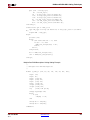
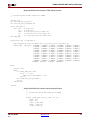
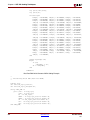
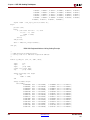
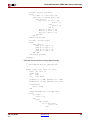
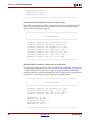
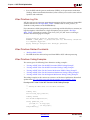
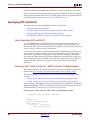
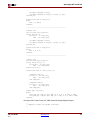
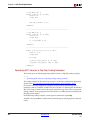
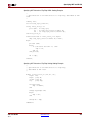
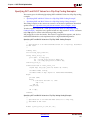
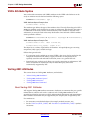
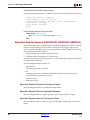
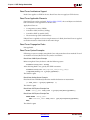
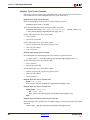
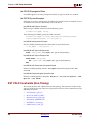
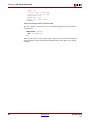
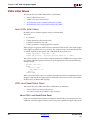
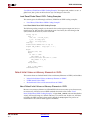
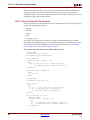
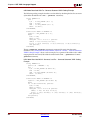
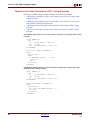
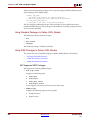
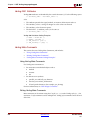
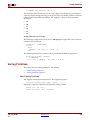
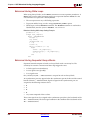
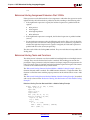
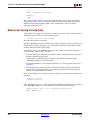
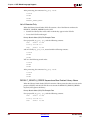
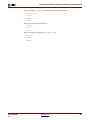
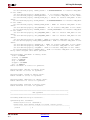
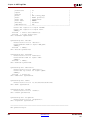
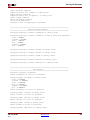
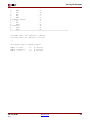
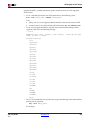
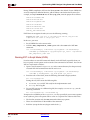
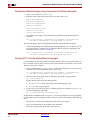
For example, for the following VHDL generate statement:
i1_loop: for i in 1 to 10 generate
inst_lut: LUT2 generic map (INIT => "00")
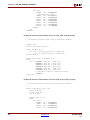
XST generates the following instance names for LUT2:
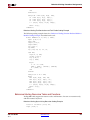
i1_loop[1].inst_lut
i1_loop[2].inst_lut
i1_loop[9].inst_lut
...
i1_loop[10].inst_lut
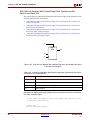
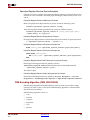
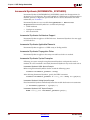
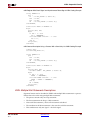
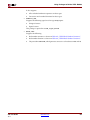
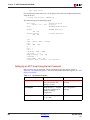
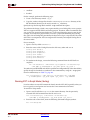
2.
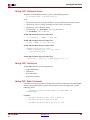
Name register instances, including state bits, for the output signal.
3.
Name clock buffer instances _clockbuffertype (such as _BUFGP or _IBUFG) after
the output signal.
4.
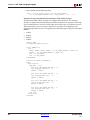
Maintain instantiation instance names of black boxes.
5.
Maintain instantiation instance names of library primitives.
6.
Name input and output buffers using the form _IBUF or _OBUF after the pad name.
7.
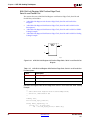
Name Output instance names of IBUFs using the form instance_name_IBUF.
8.
Name input instance names to OBUFs using the form instance_name_OBUF.
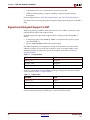
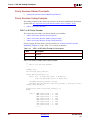
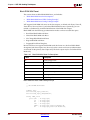
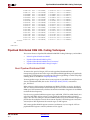
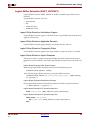
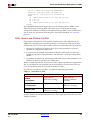
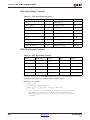
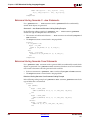
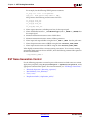
Xilinx highly recommends these instance naming conventions. To use instance naming
conventions from previous releases of ISE™, insert the following command line option in
the XST command line:
-old_instance_names 1
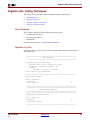
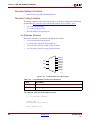
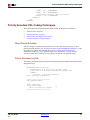
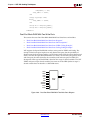
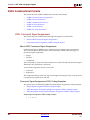
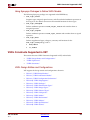
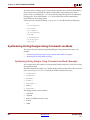
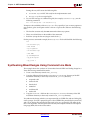
XST Name Generation Control
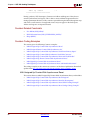
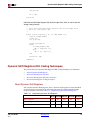
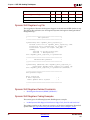
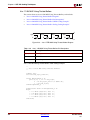
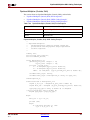
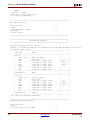
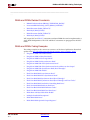
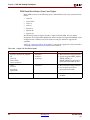
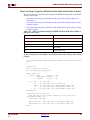
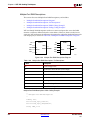
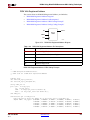
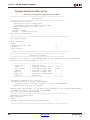
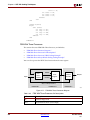
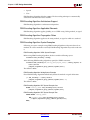
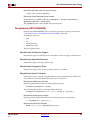
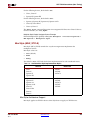
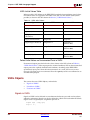
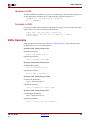
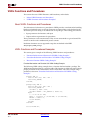
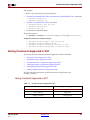
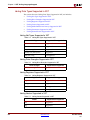
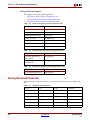
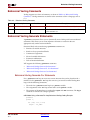
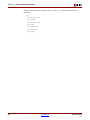
Use the following properties to control aspects of the manner in which names are written.
Apply these properties using Project Navigator > Synthesis Properties, or the
appropriate command line options. For more information, see “XST Design Constraints.”
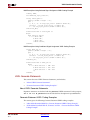
596
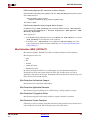
•
“Hierarchy Separator (–hierarchy_separator)”
•
“Bus Delimiter (–bus_delimiter)”
•
“Case (–case)”
•
“Duplication Suffix (–duplication_suffix)”
www.xilinx.com
XST User Guide
10.1