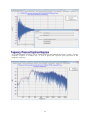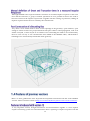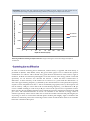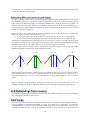
1
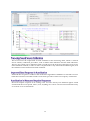
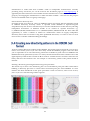
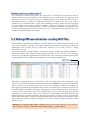
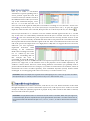
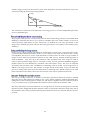
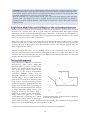
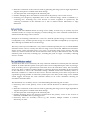
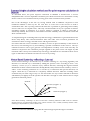
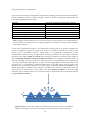
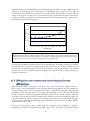
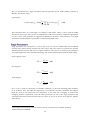
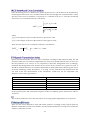
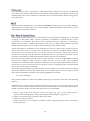
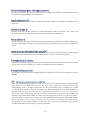
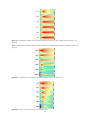
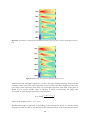
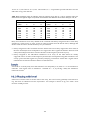
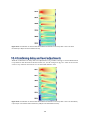
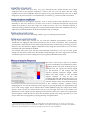
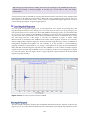
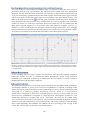
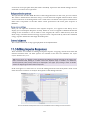
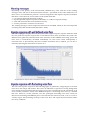
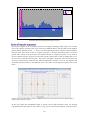
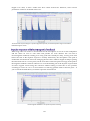
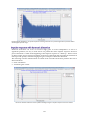
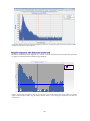
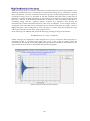
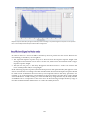
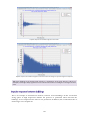
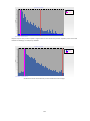
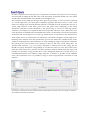
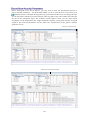
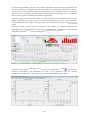
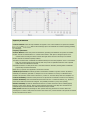
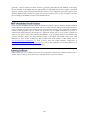
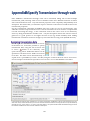
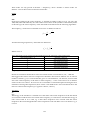
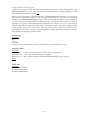
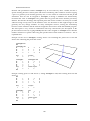
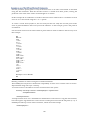
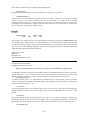
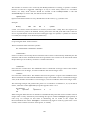
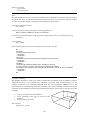
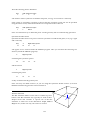
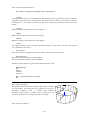
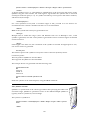
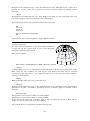
Impulse response with decay of high nonlinearity. Same recording as in previous figure but squared. In the squared form a normal exponential decay should look like a straight line. In order to derive T30 at least 35 dB of valid decay must be present for each octave. Reasons for not obtaining a valid decay curve might be: The captured impulse response may be to short because the impulse response length used during the measuremenrt was too short - in this case, make a new measurement with a longer impulse response length. The S/N was too poor, i.e. the decay disappears into the noise floor - in this case increase the level of loudspeaker and/or sweep length. In the following impulse response (shown both in pressure and squared mode) the signal to noise ratio is not sufficient. According to the ISO standard 3382 the measured impulse response should be valid at least 10 dB below the lowest decay level required to derive the decay parameter. For example, if T30 is the parameter corresponding to the lowest decay level the dacay range should reach 10 dB below -35 dB, resulting to a total of 45 dB decay range. Results may be fairly reliable as ODEON tries to compensate for the noise floor. In the following example the decay range is less than 45 dB at 1000 Hz and therefore T30 cannot be reliably derived. 122