1
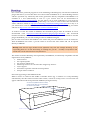
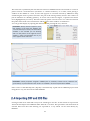
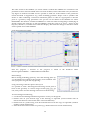
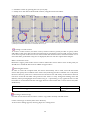
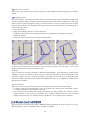
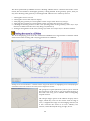
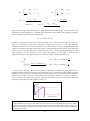
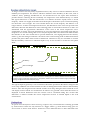
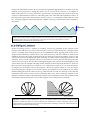
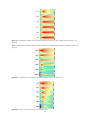
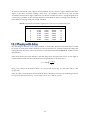
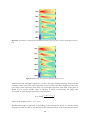
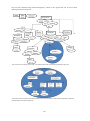
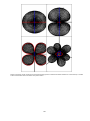
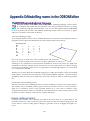
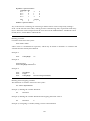
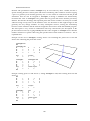
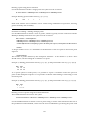
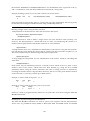
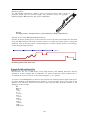
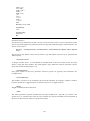
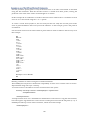
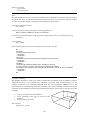
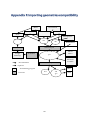
The ODEON XML format for array loudspeakers allows import of array parameters, that specifies how a number of transducers are combined together to form an array loudspeaker. Arrays can be beam-steered (a digital filter being assigned to each transducer) or a more conventional array where each transducer is feed directly (or through an equalizer, with a delay etc.). External files needed: a directivity pattern for each transducer. Currently the following directivity formats are supported; Common loudspeaker format (.CF1, .CF2) and ODEON’s native format .So8. The frequency range needed by ODEON covers the full octaves from 63 Hz to 8 kHz, however in order to make the format as versatile as possible (e.g. for future use or for use in other programs), frequencies from lower and higher bands can be included – ODEON will just ignore those bands. XML (eXtensible Markup Language) has been chosen as the format for import of data for arrays loudspeakers, because: It’s a standard (ISO 8879, 1986). See also http://www.w3.org/XML/ It allows eXtending the data being exported and imported when needed, by adding new attributes to nodes and by adding new nodes. Parsers for writing and reading the format are available in most (or all?) modern programming environments. Even if a parser is not available to the persons exporting data (e.g. Loudspeaker Manufacturer), it is fairly easy to write XML formatted data – the import part which is more complex is left to ODEON (or similar programs). To understand and learn the format, the XML files installed with ODEON e.g. in the C:\ODEON10Combined\ArrayXML\ should be studied. This document explains details of the format, but most of the format is best understood from reading through the sample files. The node (or tree) structure of XML files is complicated but best understood by studying the sample files and look in this documents when more details are needed. See figures on next page to get a picture of the tree structure. The following XML sample files are installed with ODEON: Monopol.xml Dipol.xml Quadropol.xml Octopol.xml Dipol_Domain_Frequency.xml The names of the first four files are almost self-explaining, those are the classic textbook examples built from 1, 2, 4 and 8 sources. These sources utilize the Omni.so8 directivity pattern for all their transducers. The four sources are all conventional arrays which have been assembled inside the ODEON Array source editor and exported from there. Only trick is that the Invert phase option has been applied to half of the transducers in the Dipol, Quadropol and Octopol arrays in order to get the special behavior of those source types. The Dipol_Domain_Frequency.xml file is essential identical to the Dipol.xml and will give same results when used inside ODEON, but this 146