1
MATERIAL DEFINITION
Large-strain considerations
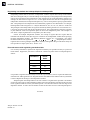
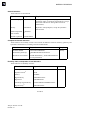
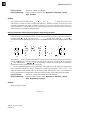
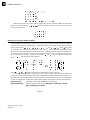
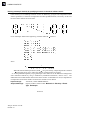
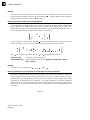
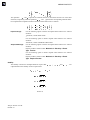
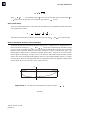
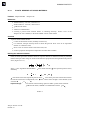
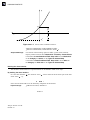
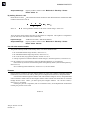
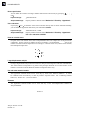
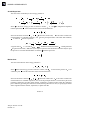
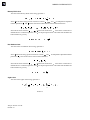
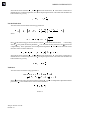
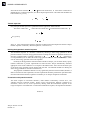
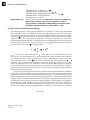
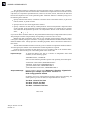
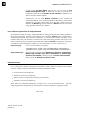
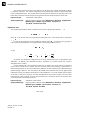
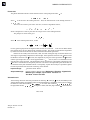
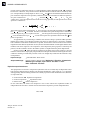
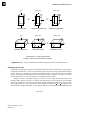
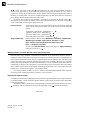
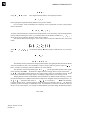
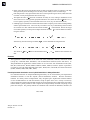
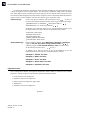
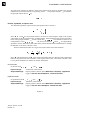
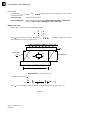
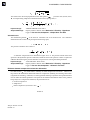
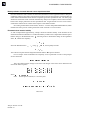
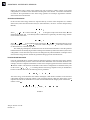
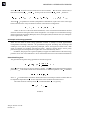
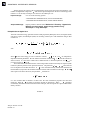
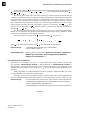
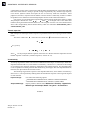
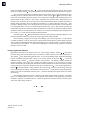
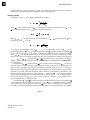
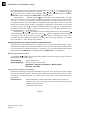
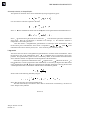
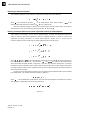
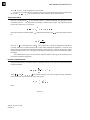
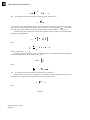
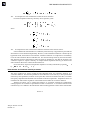
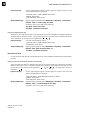
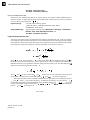
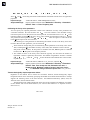
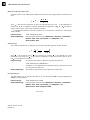
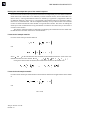
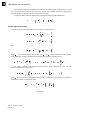
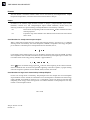
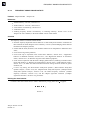
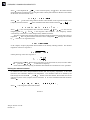
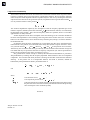
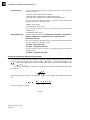
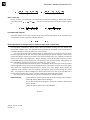
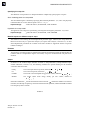
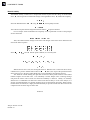
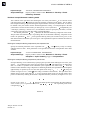
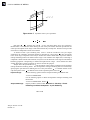
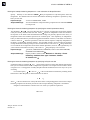
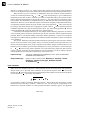
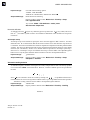
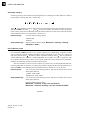
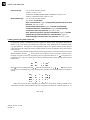
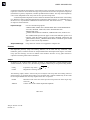
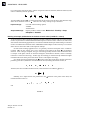
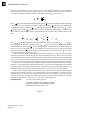
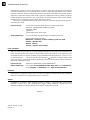
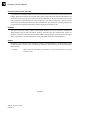
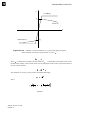
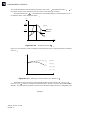
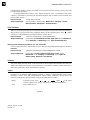
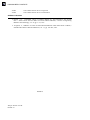
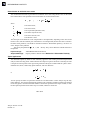
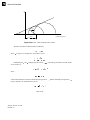
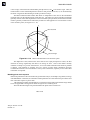
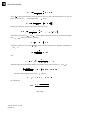
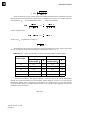
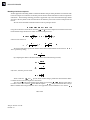
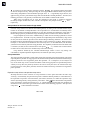
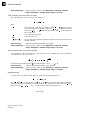
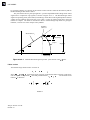
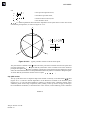
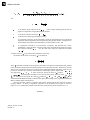
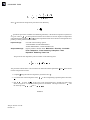
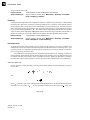
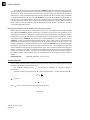
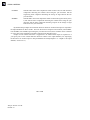
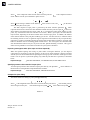
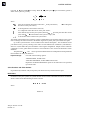
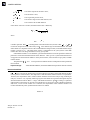
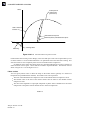
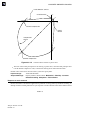
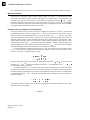
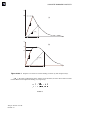
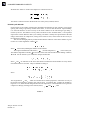
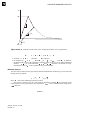
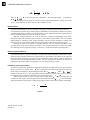
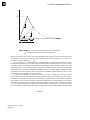
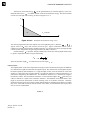
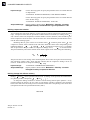
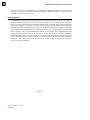
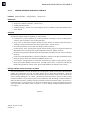
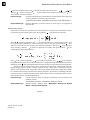
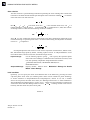
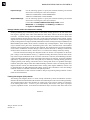
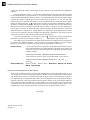
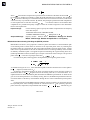
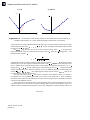
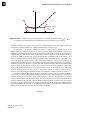
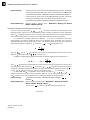
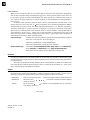
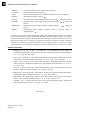
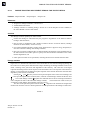
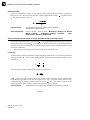
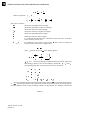
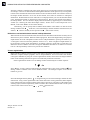
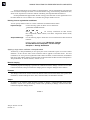
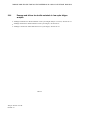
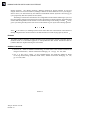
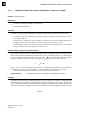
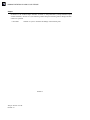
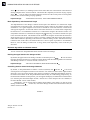
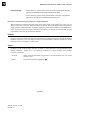
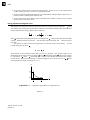
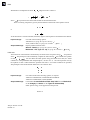
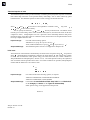
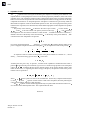
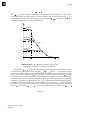
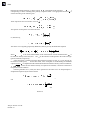
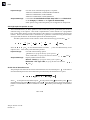
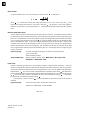
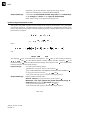
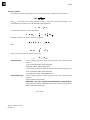
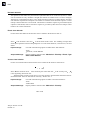
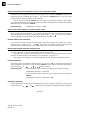
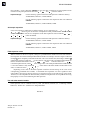
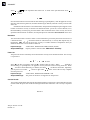
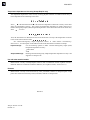
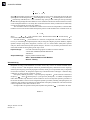
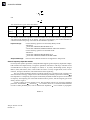
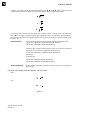
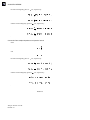
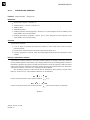
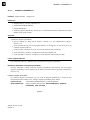
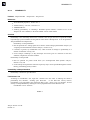
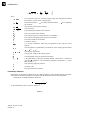
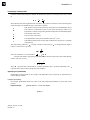
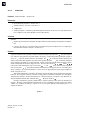
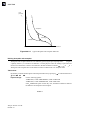
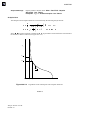
When giving material properties for finite-strain calculations, “stress” means “true” (Cauchy) stress
(force per current area) and “strain” means logarithmic strain. For example, unless otherwise indicated,
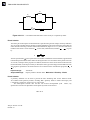
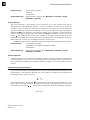
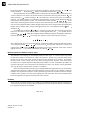
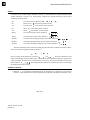
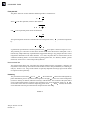
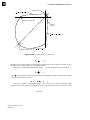
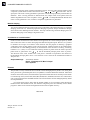
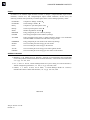
for uniaxial behavior
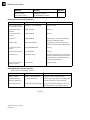
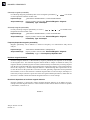
Specifying material data as functions of temperature and independent field variables
Material data are often specified as functions of independent variables such as temperature. Material
properties are made temperature dependent by specifying them at several different temperatures.
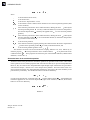
In some cases a material property can be defined as a function of variables calculated by Abaqus;
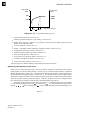
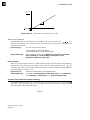
for example, to define a work-hardening curve, stress must be given as a function of equivalent plastic
strain.
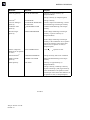
Material properties can also be dependent on “field variables” (user-defined variables that can
represent any independent quantity and are defined at the nodes, as functions of time). For example,
material moduli can be functions of weave density in a composite or of phase fraction in an alloy. See
“Specifying field variable dependence” for details. The initial values of field variables are given as
initial conditions (see “Initial conditions in Abaqus/Standard and Abaqus/Explicit,” Section 33.2.1) and
can be modified as functions of time during an analysis (see “Predefined fields,” Section 33.6.1). This
capability is useful if, for example, material properties change with time because of irradiation or some
other precalculated environmental effect.
Any material behaviors defined using a distribution in Abaqus/Standard (mass density, linear
elastic behavior, and/or thermal expansion) cannot be defined with temperature and/or field dependence.
However, material behaviors defined with distributions can be included in a material definition with
other material behaviors that have temperature and/or field dependence. See “Density,” Section 21.2.1;
“Linear elastic behavior,” Section 22.2.1; and “Thermal expansion,” Section 26.1.2.
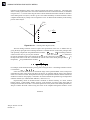
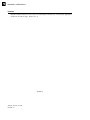
Interpolation of material data
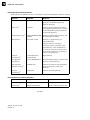
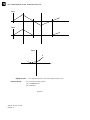
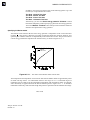
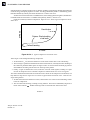
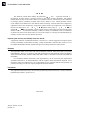
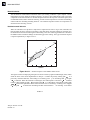
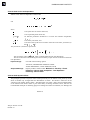
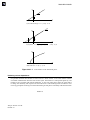
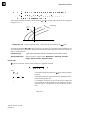
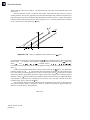
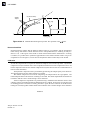
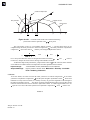
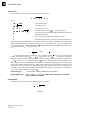
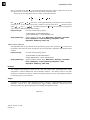
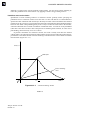
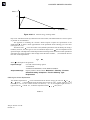
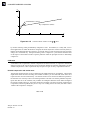
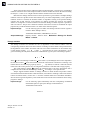
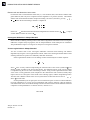
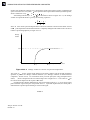
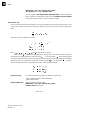
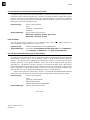
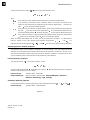
In the simplest case of a constant property, only the constant value is entered. When the material data are
functions of only one variable, the data must be given in order of increasing values of the independent
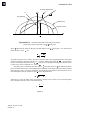
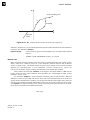
variable. Abaqus then interpolates linearly for values between those given. The property is assumed
to be constant outside the range of independent variables given (except for fabric materials, where it is
extrapolated linearly outside the specified range using the slope at the last specified data point). Thus,
you can give as many or as few input values as are necessary for the material model. If the material data
depend on the independent variable in a strongly nonlinear manner, you must specify enough data points
so that a linear interpolation captures the nonlinear behavior accurately.
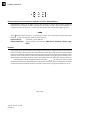
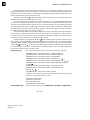
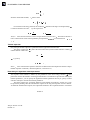
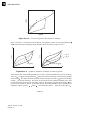
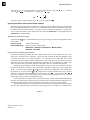
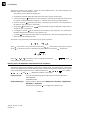
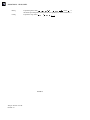
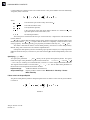
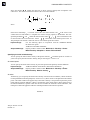
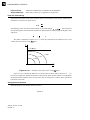
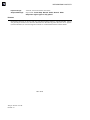
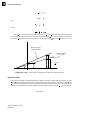
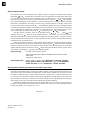
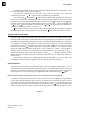
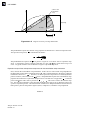
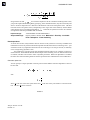
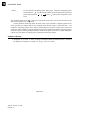
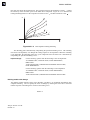
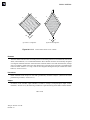
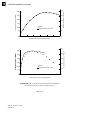
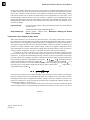
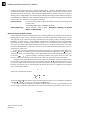
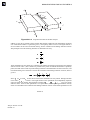
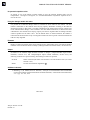
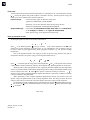
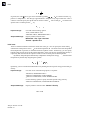
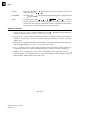
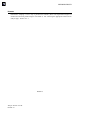
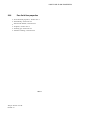
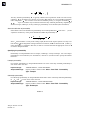
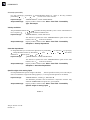
When material properties depend on several variables, the variation of the properties with respect
to the first variable must be given at fixed values of the other variables, in ascending values of the second
variable, then of the third variable, and so on. The data must always be ordered so that the independent
21.1.2–2
Abaqus Version 6.6 ID:
Printed on: