1
15 Assessingtheriskofinterstitial
condensation
TheUvalueProfessionalmodulecalculatestheriskofinterstitialcondensationforming
attheinterfacesoflayerswithinanelement.Themodule, whichfollowstherecommendationsofBS 52501 usesthemethodofanalysissetoutinBS EN ISO 137882 .
Foreachinterfacewithinabuildingelementthemoduledetermines:
• theamountofcondensationorevaporationduringeachmonth;
• themaximumamountofmoisturedeposited;
• theaccumulatedmassofwatercomparedtototalevaporationduringtheyear;
• theannualmoisturebalance.
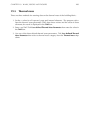
TheprogramcanstillperformanalysestotheBS 5250:1989method3 . Forinformation
onusingthismethodsee section 15.3.
The likelihood of condensation forming within a building element depends upon the
hygrothermalpropertiesofthematerials(thermalconductivityorresistanceandvapour
resistivitiesorresistance)andtheenvironmentalconditions(internalandexternaltemperaturesandrelativehumidities).
MostoftheinformationusedbyJPA Designerforcalculatingcondensationriskisalso
used in the main body of the program for calculating U-values. The only additional
informationrequiredisthevapourresistivityandresistancedataforthematerialsinthe
construction, andtheenvironmentaldataforthebuildingandsite.
Tocarryoutcondensationriskanalysis:
1. BuildupanelementinthesamewayasyouwouldforaU-valuecalculation.
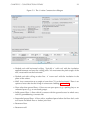
2. Ensurevapourresistancepropertieshavebeendefinedforeachlayer(chapter 7).
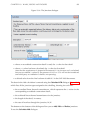
3. Settheenvironmentalconditions(section 15.1);
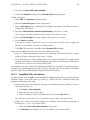
4. Viewtheresults(section 15.2).
Pleasenotethemodulecannotcarryoutcondensationriskanalysisforgroundfloors,
basementsnorconstructionscontainingvariablelayers; neitherwillitcalculatetherisk
ofsurfacecondensation.
1
BS 5250:2002Codeofpracticeforcontrolofcondensationinbuildings.
BS EN ISO 13788:2002Hygrothermalperformanceofbuildingcomponentsandbuildingelements–
Internalsurfacetemperaturetoavoidcriticalsurfacehumidityandinterstitialcondensation–Calculation
methods.
3
TheBS 5250:1989AppendixD methodisbasedonthesameunderlyingprinciplesasthemethod
setoutinISO 13788, but(i)analysescondensationriskfora60periodratherthanthewholeyearand(ii)
reportsresultsinadifferentway.
2
66