1
Chapter 4: Functional Description—Receiver
Latency Information
4–31
Latency Information
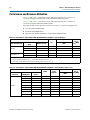
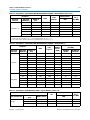
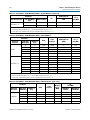
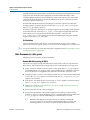
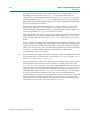
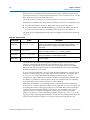
The receiver MegaCore functions involve two kinds of latency: data latency and
status transmit latency.
Data latency is defined as the latency from the SPI-4.2 LVDS receive pins to the
internal Atlantic interface that is writing into the buffer(s). For the shared buffer with
embedded addressing mode, it does not include the time the data spends in the
buffer.
Status transmit latency is the number of clock cycles from when the status is provided
from the user logic or the Atlantic buffer until it is transmitted to the adjacent device,
assuming that the status channel is not disabled. It does not include the latency
involved in waiting for the previous transmit message to complete, or in waiting for
the status for other ports to be sent.
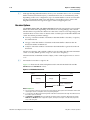
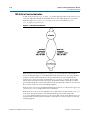
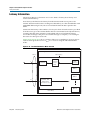
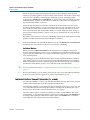
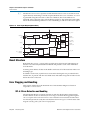
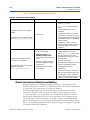
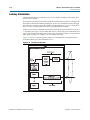
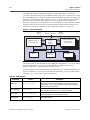
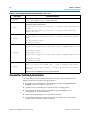
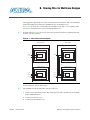
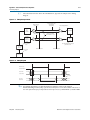
Figure 4–14 on page 4–31 shows a picture of the LMAX contributions (receiver start to
receiver finish gives the receiver LMAX) for a receiver using the individual buffers
mode.
Figure 4–14. LMAX Individual Buffers Mode Overview
FPGA
Receiver MegaCore Function
Status Latency
SPI-4.2
Status
3
Status
Generator
Status
Transmit
& Port
Processor
Table
Buffer 1
Buffer 2
Receiver Processor
18
(ALTLVDS, DPA,
Atlantic Buffer,
CTL Word Processor)
Buffer N
Data Latency
May 2013
Altera Corporation
POS-PHY Level 4 MegaCore Function User Guide