1
DRAFT: Water Quality Analysis Simulation Program (WASP)
Version 6.0
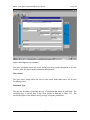
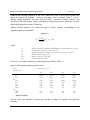
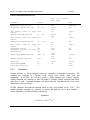
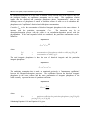
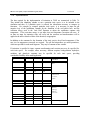
Nitrogen to Carbon Ratio, mg N/mg C-- The average nitrogen to carbon weight ratio in
phytoplankton can be specified using constant NCRB. The EUTRO default value for NCRB is
0.25.
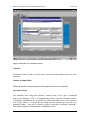
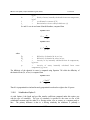
Nitrogen Mineralization Rate, day-1 -- The mineralization rate constant and temperature
coefficient for dissolved organic nitrogen can be specified using constants K71C and K71T,
respectively.
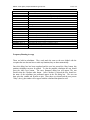
Nitrification Rate, day-1 -- The nitrification rate constant and temperature coefficient for dissolved
ammonia nitrogen can be specified using constants K12C and K12T, respectively.
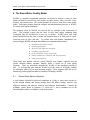
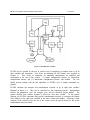
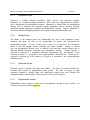
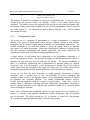
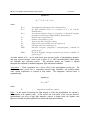
Nitrogen Half-Saturation Constant, mg N/L-- The nitrogen half-saturation constant for
phytoplankton growth can be specified using constant KMNG1. When inorganic nitrogen
concentrations are at this level, the phytoplankton growth rate is reduced by half. This parameter
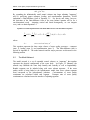
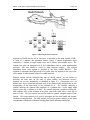
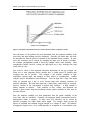
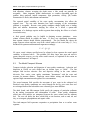
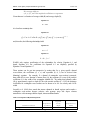
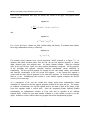
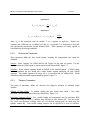
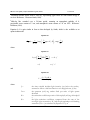
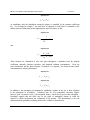
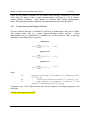
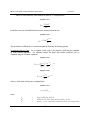
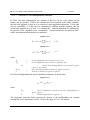
also affects ammonia preference PNH3 as outlined in Figures 5.5 and 5.6. When KMNG1 = 0,
PNH3 = 1.0. When KMNG1 becomes very large, PNH3 approaches a value of C1 /(C 1 + C2 ).
9.7.
Intermediate Eutrophication Kinetics
Intermediate eutrophication kinetics simulates the growth and death of phytoplankton interacting
with the nitrogen and phosphorus cycles and the dissolved oxygen balance. Growth can be
limited by the availability of inorganic nitrogen, inorganic phosphorus, and light.
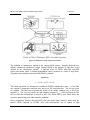
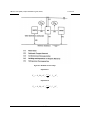
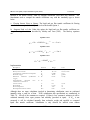
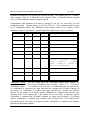
Intermediate eutrophication kinetics adds CBOD and DO equations as well as certain nonlinear
terms and functions to the simple eutrophication kinetics described above. The oxygen balance
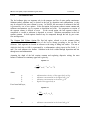
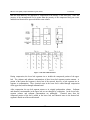
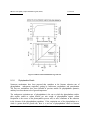
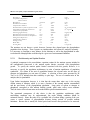
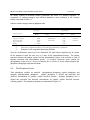
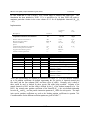
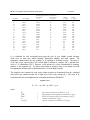
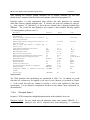
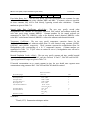
equations and kinetic parameters are summarized in Figure 8-2 and Table 8-1. The phosphorus
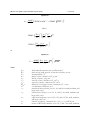
cycle equations and kinetic parameters are summarized in Figure 9-4 and Table 9-4. The
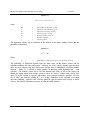
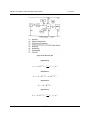
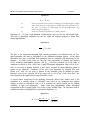
nitrogen cycle equations and parameters are summarized in Figure 9-5 and Table 9-5.
Phytoplankton equations are presented throughout Section 9.1.4, with parameters summarized in
Table 9-2.
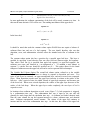
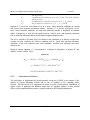
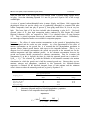
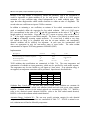
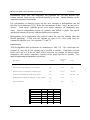
Either the Di Toro or the Smith formulation can describe light limitation. The Smith formulation
implements equations Equation 9-5 through Equation 9-7. These equations predict the carbon to
chlorophyll ratio based on the availability of light, and then predict the saturating light intensity
based on the carbon to chlorophyll ratio.
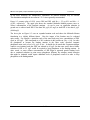
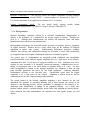
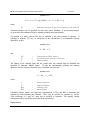
Other terms included in the intermediate kinetics equations are the phytoplankton effect on
mineralization of organic phosphorus and nitrogen, the dissolved oxygen limitation on
nitrification, the denitrification reaction, and zooplankton grazing. The nonlinear DO balance
equations can become important in inhibiting nitrification and carbonaceous oxidation and in
promoting denitrification where low DO concentrations occur.
9-38