1
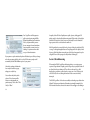
Note: CryptoPhone SMS
encryption uses very long
keys (4096 bit DiffieHellman, 256 bit AES &
Twofish), to provide your
communications with the
best protection available.
These long keys require
substantial amounts of bits to
be exchanged between you
and your partner during the
key exchange. One key
exchange consists of six SMS sent by the inviting party and five SMS send by the invited
party. The key exchange needs to be conducted only the first time when you start
communicating with a partner. It can be renewed when required.
Sending CryptoPhone SMS
To send an encrypted SMS, you need to have a valid key for the recipient, meaning that
you need to have performed the key exchange process outlined above successfully.
30
Key Verification
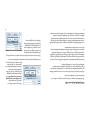
Reading the three letters and verifying what your partner says is meant to protect you
against so-called ‘man-in-the-middle attacks’ on the secret session key. The session key is
different for each call, as no key material is re-used between calls. The letters are
mathematically derived from the unique secret key that is generated for each call. By
reading and verifying them with your partner, you make sure that you are indeed
communicating using the same key. Please pay attention to the voice of your partner
when he reads his three letters. To be completely on the safe side against very
sophisticated voice impersonation during the key verification, you could periodically
reverify the letter code with your partner during the conversation.
Redialing
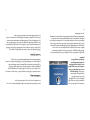
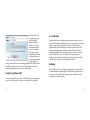
The CryptoPhone has access to a call history comprising the last 10 outgoing calls.. You
can redial a number by scrolling through the last dialed numbers pressing the up and
down buttons in the CryptoPhone screen and press the green Talk button once the
desired number is shown in the display.
19