1
Chapter 10: TAP Declaration
40
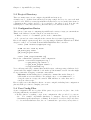
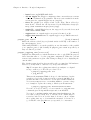
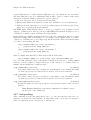
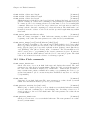
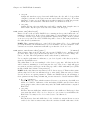
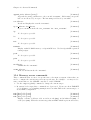
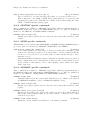
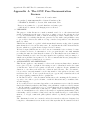
The chipname is a symbolic name for the chip. Conventionally target config files use
$_CHIPNAME, defaulting to the model name given by the chip vendor but overridable.
The tapname reflects the role of that TAP, and should follow this convention:
• bs – For boundary scan if this is a seperate TAP;
• cpu – The main CPU of the chip, alternatively arm and dsp on chips with both
ARM and DSP CPUs, arm1 and arm2 on chips two ARMs, and so forth;
• etb – For an embedded trace buffer (example: an ARM ETB11);
• flash – If the chip has a flash TAP, like the str912;
• jrc – For JTAG route controller (example: the ICEpick modules on many Texas
Instruments chips, like the OMAP3530 on Beagleboards);
• tap – Should be used only FPGA or CPLD like devices with a single TAP;
• unknownN – If you have no idea what the TAP is for (N is a number);
• when in doubt – Use the chip maker’s name in their data sheet. For example,
the Freescale IMX31 has a SDMA (Smart DMA) with a JTAG TAP; that TAP
should be named sdma.
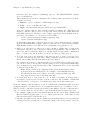
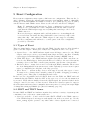
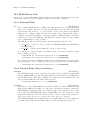
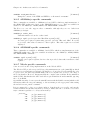
Every TAP requires at least the following configparams:
• -irlen NUMBER
The length in bits of the instruction register, such as 4 or 5 bits.
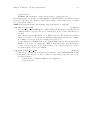
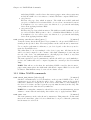
A TAP may also provide optional configparams:
• -disable (or -enable)
Use the -disable parameter to flag a TAP which is not linked in to the scan
chain after a reset using either TRST or the JTAG state machine’s reset state.
You may use -enable to highlight the default state (the TAP is linked in). See
[Enabling and Disabling TAPs], page 41.
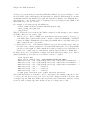
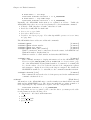
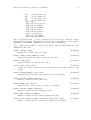
• -expected-id number
A non-zero number represents a 32-bit IDCODE which you expect to find when
the scan chain is examined. These codes are not required by all JTAG devices.
Repeat the option as many times as required if more than one ID code could
appear (for example, multiple versions). Specify number as zero to suppress
warnings about IDCODE values that were found but not included in the list.
Provide this value if at all possible, since it lets OpenOCD tell when the scan chain
it sees isn’t right. These values are provided in vendors’ chip documentation,
usually a technical reference manual. Sometimes you may need to probe the
JTAG hardware to find these values. See [Autoprobing], page 42.
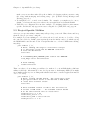
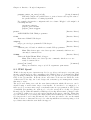
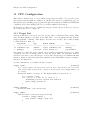
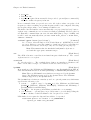
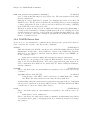
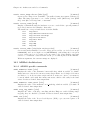
• -ircapture NUMBER
The bit pattern loaded by the TAP into the JTAG shift register on entry to the
ircapture state, such as 0x01. JTAG requires the two LSBs of this value to
be 01. By default, -ircapture and -irmask are set up to verify that two-bit
value. You may provide additional bits, if you know them, or indicate that a
TAP doesn’t conform to the JTAG specification.
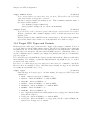
• -irmask NUMBER
A mask used with -ircapture to verify that instruction scans work correctly.