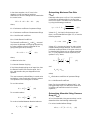
1
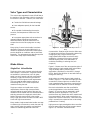
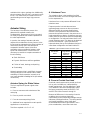
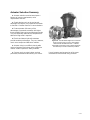
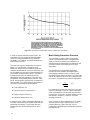
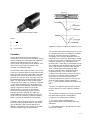
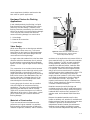
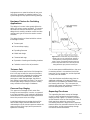
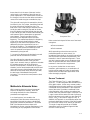
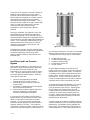
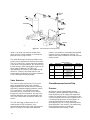
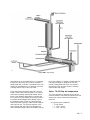
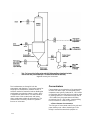
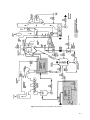
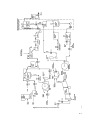
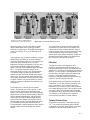
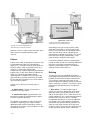
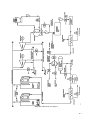
Drawing is from TAPPI’s Making Pulp and
Paper Series and is used with permission.
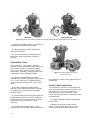
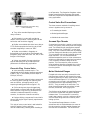
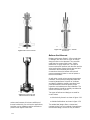
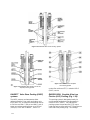
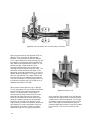
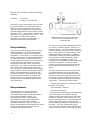
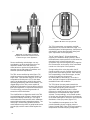
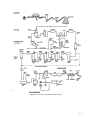
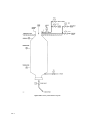
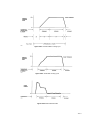
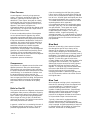
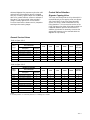
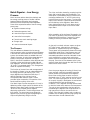
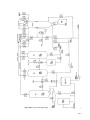
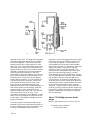
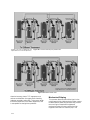
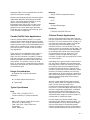
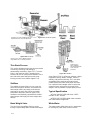
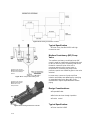
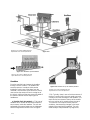
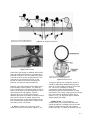
Figure 17-10. Top-Wire Former
D Top-Wire or Hybrid Formers — This device
sits on top of a conventional fourdrinier single-wire
former and deposits a jet from the headbox onto
the single wire (figure 17-10). The wire passes
over an expanse called the “free drainage zone”
where the initial drainage is downward. The
second wire then covers the top of the sheet
allowing dewatering to occur in both directions.
Multiple configurations can be found with vacuum
shoes and blades throughout the forming area to
help the dewatering process.
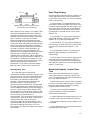
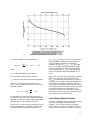
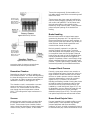
becomes saturated, water moves out of the felt.
This phase brings the paper to its maximum
hydraulic pressure.
What makes this device more advantageous to a
Gap Former is that a top-wire unit can be readily
fitted to an existing fourdrinier to improve sheet
quality and allow for machine speedup.
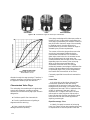
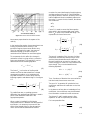
The top roll is mechanically loaded to create the
desired pressure within the nip. The higher the
pressure applied at each nip, the more effective
the water removal. However, too much pressure at
the nip will take the felt and sheet beyond the
point of saturation. This condition is called
“crushing” and significantly weakens the sheet
strength in the nip. Operating a nip at the point of
crushing will cause the sheet to break. At faster
machine speeds, higher pressure will have a
diminished effect because of the brief residence
time in the nip.
Dry End
After the forming section of the paper machine,
the sheet is still approximately 20% solids. Now
that the forming section cannot take or vacuum
out any additional water, we must mechanically
press out the water.
Before discussing the press section, one must
understand the nip. Most paper machines have at
least two nips, and can have as many as five. The
nip is a process of removing water by mechanical
means by passing the wet paper sheet, almost
always with a felt, between two rotating press
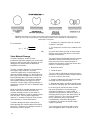
rolls. Nips generally follow these steps:
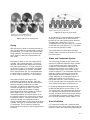
3. The nip expands until the hydraulic pressure in
the paper is zero, corresponding to the point of
maximum paper dryness.
4. In this phase, both paper and felt expand and
the paper becomes unsaturated. Although a
negative pressure is created in both structures, a
number of factors cause water to return from the
felt to the paper; also known as “rewetting.”
Press
The primary objective of the press section is to
remove water from the sheet and consolidate the
paper web. This section can also provide other
product requirements such as providing surface
smoothness, reducing bulk, and promoting higher
wet web strength.
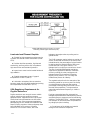
1. Compression of the sheet and felt between two
rolls begins. Air flows out of both structures until
the sheet is saturated.
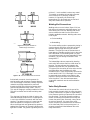
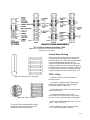
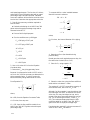
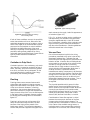
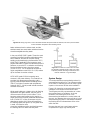
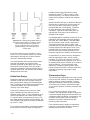
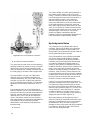
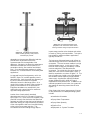
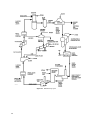
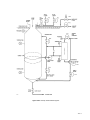
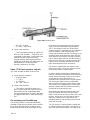
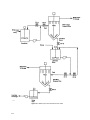
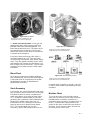
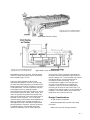
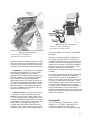
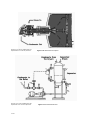
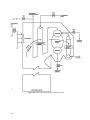
The oldest style of presses is a straight through
press arrangement (figure 17-11). For the more
modern arrangements, the most widely used
presses can be described in full below.
2. Now that the sheet is saturated, hydraulic
pressure within the sheet structure causes water
to move from the paper into the felt. Once the felt
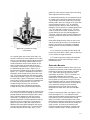
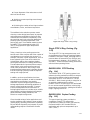
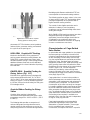
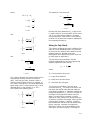
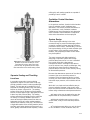
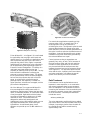
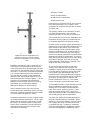
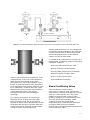
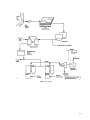
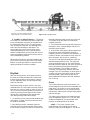
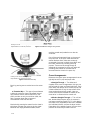
D Roll — This press consists of two
large-diameter rolls, loading arms to supply
pressure, and a press felt (figure 17-12). As the
17−6