1
12
Part I: Building the Background
Okay, that might be understandable if you’re distracted by a real, live,
good-looking member of the opposite sex. One of your authors (we
won’t say which one) did that once, and then apologized to the lamppost. But at least he wasn’t generating personal data the whole time.
✓ The development of the Internet has seen a rapid increase in its use for
everyday purposes — and a lot of that use is careless, which makes it a
great target. Security is poor (because we haven’t had to worry about
it before), the data is valuable, and too many users are unaware of its
value.
Technology gone wild; data gone missing
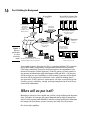
Not only do we have to deal with a Brave New World of mutating technology, but a much smaller one too; business is always going on somewhere,
and people worldwide take advantage of it. Old-fashioned bankers’ hours
don’t slow it down a bit when so many people bank online. From Beijing to
Bournemouth, a startling array of banks lines up from every country to vie
for market share. This shrinking world also has more people in it — close
to 7 billion — most with personal information that can be used to help or
harm them. This vital resource often resides in multiple databases around the
globe. If you have a credit card and a bank account, shop a little online, and
pay taxes, then your data is held in an average of 700 databases! Do you ever
wonder whether it’s safe there?
Sure, all the new forms of e-commerce benefit businesses. You can do business around the world at a click of a mouse; companies can be faster in getting to market, responding to requests, dealing with customers, and making
contact with partners and suppliers. Result: huge opportunities to play big
even if your company is small. But if you play big, you can also wind up
taking big risks.
Organizations and individuals have something in common here: Leaving their
data unprotected data puts them under threat from short- and long-term data
loss — the straying of sensitive information into unauthorized hands.
Irresponsibly (or criminally) used, lost data can easily cost you revenue,
reputation, customer loyalty, share value, brand equity, and market share. For
openers.
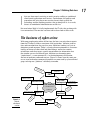
Today’s turbulent, networked world presents many risks to corporate information: security breaches, leaks, and losses, infestations of malware, and
deliberate attacks on PCs and computer infrastructures can devastate businesses. The risks range from careless to malevolent.