1
Equalizer Administration Guide
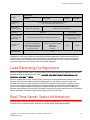
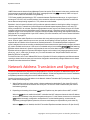
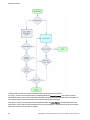
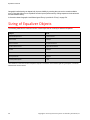
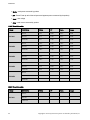
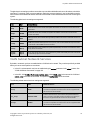
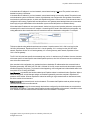
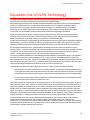
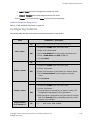
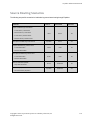
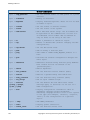
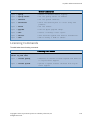
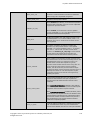
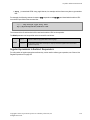
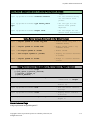
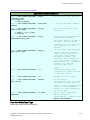
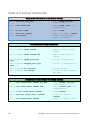
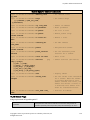
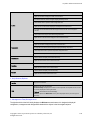
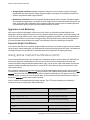
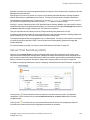
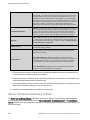
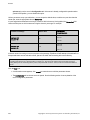
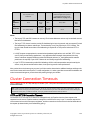
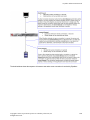
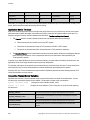
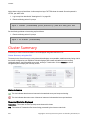
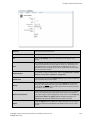
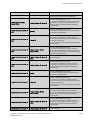
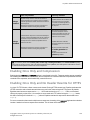
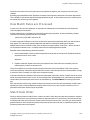
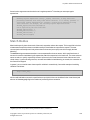
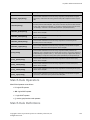
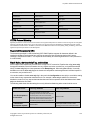
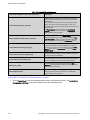
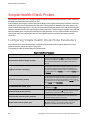
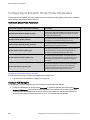
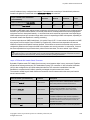
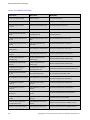
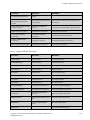
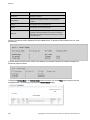
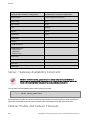
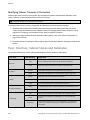
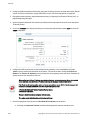
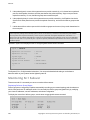
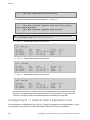
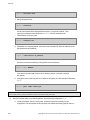
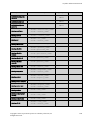
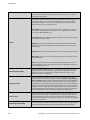
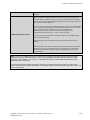
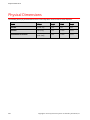
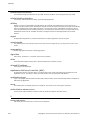
balancing decisions can be
based on application specific
criteria through the use of
"Match Rules" on page 317.)
the request is not
examined.
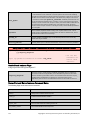
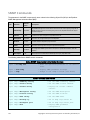
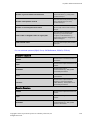
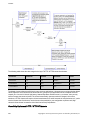
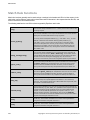
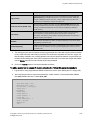
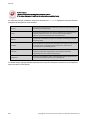
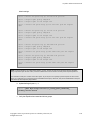
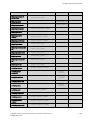
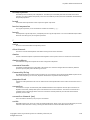
IP
Addressing
IPv4
IPv4 /
IPv6
IPv4
IPv4 / IPv6
IPv4 /
IPv6
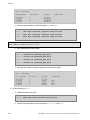
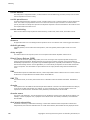
Protocols
Any TCP protocol.
Any TCP
protocol.
Any UDP
protocol.
HTTP
HTTPS
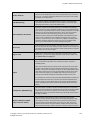
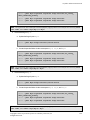
Notes:
l
The Layer 4 TCP and UDP clusters can use only IPv4 cluster addresses and can only be used with servers
that have IPv4 addresses.
l
The Layer 7 TCP cluster is used to provide IPv6 addressing for Layer 4 protocols, and can support IPv4 and
IPv6 addressing for clusters and servers. The functionality is very much like Layer 4 TCP clusters. This
type of cluster should be used when IPv6 addressing is required for a TCP protocol other than HTTP or
HTTPS.
l
L4 UDP clusters are appropriate for connectionless (stateless) applications, such as DNS, TFTP, Voice
over IP (VoIP), and streaming applications -- any application that exchanges short packets with many
clients, and where dropped packets are preferred to delayed packets (i.e., the highest possible network
performance is required). Layer 4 UDP clusters do not currently support IPv6 addressing.
l
Layer 7 HTTPS clusters also provide SSL Offloading: all SSL certificate operations are performed by the
cluster, not by the servers behind the cluster, thus improving overall cluster performance.
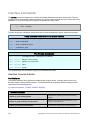
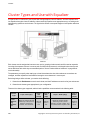
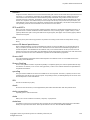
After you decide on the cluster types you need, you'll then need to determine the additional settings and flags to be
used on the cluster and its server pools. For most configuration, it is often a good idea to start with the defaults and
make incremental changes as you examine traffic passing through your clusters.
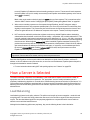
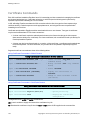
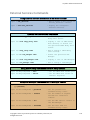
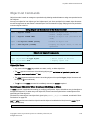
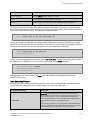
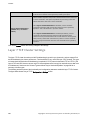
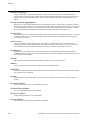
Cluster Connection Timeouts
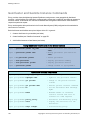
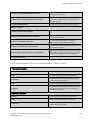
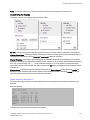
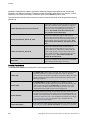
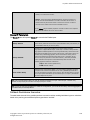
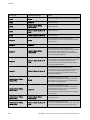
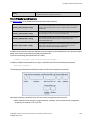
Layer 7 clusters (HTTP / HTTPS) and Layer 4 clusters (TCP / UDP) each use a different set of timeout parameters
as described below.
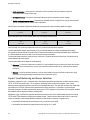
Note - Setting cluster timeouts to arbitrarily high values can have an adverse effect on cluster performance, and can
result in the cluster no longer processing traffic. We recommend that you start with default timeout values and adjust
the timeouts one by one, in small increments, until you get the timeout behavior that you desire.
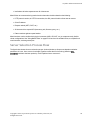
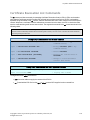
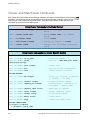
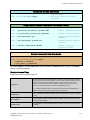
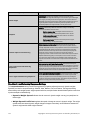
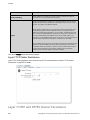
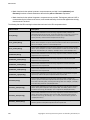
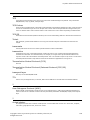
HTTP and HTTPS Connection Timeouts
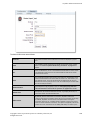
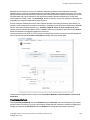
Connections to HTTP and HTTPS clusters are managed closely by Equalizer from the client request to the
response from the server. Equalizer needs to manage two connections for every Layer 7 connection request: the
client connection from which the request originates, and the connection to the server that is the final destination of
the request (as determined by the load balancing policy).
Copyright © 2013 Coyote Point Systems. A subsidiary of Fortinet, Inc.
All Rights Reserved.
261