1
General Description
GCA40–188
Day 1, Day 2, Night Ring Lines—The lists of lines that can ring this hunt group during these
programmed times. These lists can contain any lines in the system.
Member Stations—The list of stations that are members of this hunt group. This list can contain all
stations in the system but is limited to personal intercom numbers only.
Overflow Destination—The overflow destination is a station intercom number, a group intercom
number, a voice mail number, or another hunt group pilot extension where the system routes
unserviced hunt group calls.
Queue Ringing Calls—With the queue ringing calls feature disabled and if all stations in the hunt
group are busy, the system immediately routes hunt group calls to the overflow destination. With the
queue ringing calls enabled, in the case of no answer or if all stations in the hunt group are busy,
hunt group calls wait in a queue to be answered until an overflow timer times out then route to the
overflow destination.
DID/DNIS Display for Station Hunt Groups—If station hunt group members need to differentiate
incoming DID/DNIS calls, installers can take action to cause a different display to occur. With this
feature active, the display shows the incoming digits or translated name instead of the station hunting
name.
Multiple Call Handling For Station Hunt Groups—Installers can arrange the system to allow
member stations within station hunt groups to handle multiple calls. With this feature turned off, the
system considers any hunt group member stations that have calls on hold or in a park orbit to be
busy to the station hunting call delivery process even though these stations are otherwise idle. With
this feature turned on, the system considers any hunt group member stations that have calls on hold
or in a park orbit to be available for additional call deliveries as long as these stations have ring
positions available (that is: an available personal intercom number, hunt list and so forth).
Types of Hunting
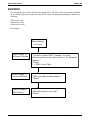
Terminal Hunting—Terminal station hunting always delivers a call to the first idle station
programmed in the hunt group. If the station does not answer within a programmed amount of time
(programmed as the Call Advance Timer), the system delivers the call to the next sequential idle
station programmed in the hunt group. The system makes no attempt to balance the distribution of
incoming calls as this is a linear search through the programmed list. The search starts at the
beginning of the list for each incoming call.
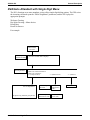
Distributed Hunting—Distributed station hunting delivers a call to the next idle station in the hunt
group after the station that received the previous call. If that station does not answer within the
programmed call advance time, the system delivers the call to the next sequential idle station
programmed in the hunt group. This hunting method is a linear search through the programmed list;
however, the search starts wherever it left off after the previous call.
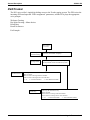
Longest Idle Station Hunting—Longest idle station hunting delivers a call to the station that has
been idle for the longest period of time since completing the last call that was routed to it by the
station hunting feature. In the case of stations with equal idle times (such as at system startup), the
system picks the first of the grouped stations with equal idle times. If that station does not answer
within the call advance time, the system delivers the call to the station with the next longest idle
period.
Understanding the Features 6 – 79