1
Mod. Apollo
Maintenance and Registering
RADIATOR WATER / OIL / INTERCOOLER
2
- ATTENTION These operations must be carried out when
the engine is cold.
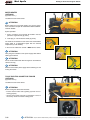
Radiator grill cleaning
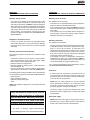
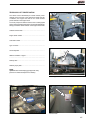
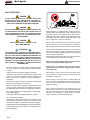
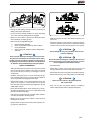
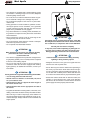
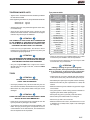
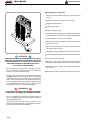
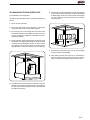
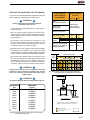
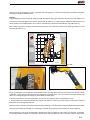
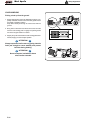
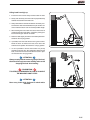
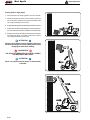
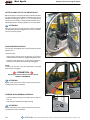
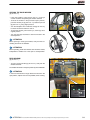
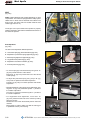
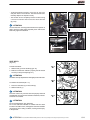
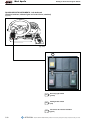
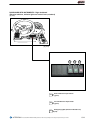
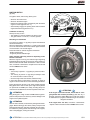
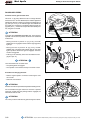
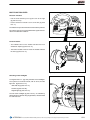
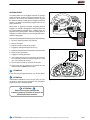
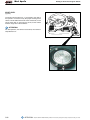
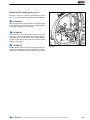
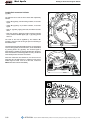
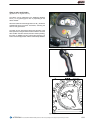
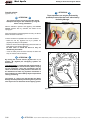
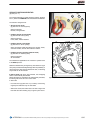
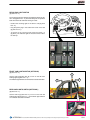
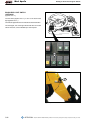
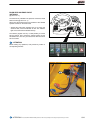
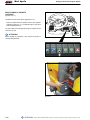
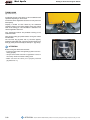
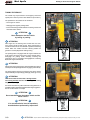
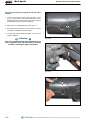
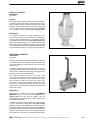
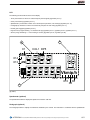
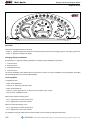
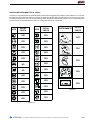
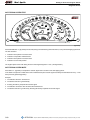
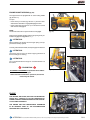
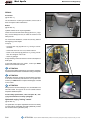
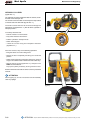
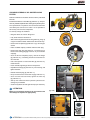
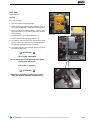
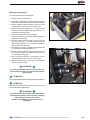
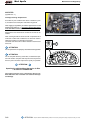
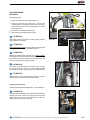
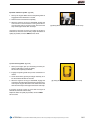
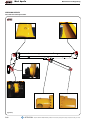
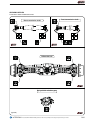
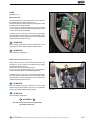
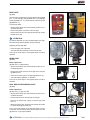
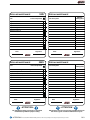
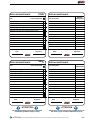
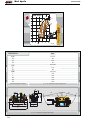
Radiator grills (fig.24/D Pos.”1”, fig.25 /D Pos.”1”), engine fan (fig.25/D Pos. “2”) and air recirculation networks
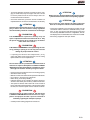
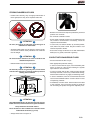
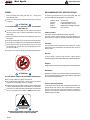
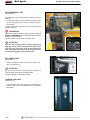
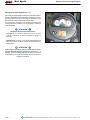
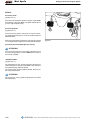
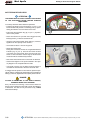
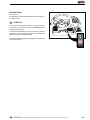
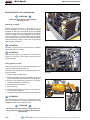
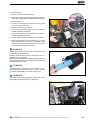
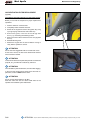
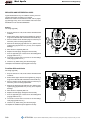
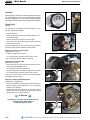
(fig.26/D Pos.”A-B-C-D”) must be kept as clean as possible
to allow for maximum heat exchange between the radiator
and the circulating air. To remove impurities, use a low pressure air jet directing it from the inside towards the outside.
Then pass the jet of air on the inner parts covered with dirt.
If dirt is particularly compact, soften it with a low pressure
water jet before using the air.
1
(fig.24/D)
- ATTENTION:
Consult the engine operation and maintenance handbook
before using jets of air or water.
1
- ATTENTION:
Heat exchange flaps are very delicate. Do not use rags or
brushes to clean them. Jets of water and air must be directed horizontally.
2
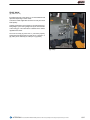
Cooling liquid level check
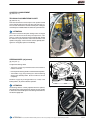
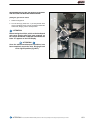
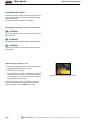
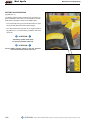
During normal vehicle use, the water level should be at 3 cm
under the radiator cap (fig.24/D Pos.”2”).
Verification of the correct level of cooling liquid must be carried out as follows:
(fig.25/D)
1. Stop the vehicle on a flat surface.
2. Switch off the engine and remove the ignition key, hang up
a sign in the cab that reads “maintenance work under way”.
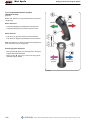
3. Slowly turn the radiator cap (fig.24/D Pos.”2”) counterclockwise until reaching the safety pin.
C
4. Discharge pressure and steam.
5. Remove the cap.
6. Check the coolant level. If necessary, top up using a mixture of water and antifreeze.
A
7. To reinsert the cap follow these steps in the opposite order.
- ATTENTION:
D
(fig.26/D)
If frequent top ups are necessary in normal working conditions, verify that there are no cooling system leaks. Contact
a DIECI after-sales centre if problems arise.
- ATTENTION -
B
Use demineralised water to fill the cooling system. Calcareous water may cause incrustations and premature
system ageing.
D/20
- ATTENTION: - Read the SAFETY REGULATIONS (contained in this manual) carefully for the safety of all personnel and your vehicle.