1
88
Lesson 4: Inverse Dynamic Analysis
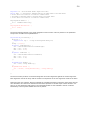
Inverse dynamic analysis is at the heart of what the AnyBody Modeling System does. An
InverseDynamicAnalysis operation is like the KinematicAnalysis, except it is augmented with calculation of
forces in the system.
Computing forces in a rigid body mechanical system is more difficult than it may seem. In principle,
resolving forces is a question of setting up the equilibrium equations and solving them. But in mechanism
analysis in general and biomechanics in particular, there are several complications. The system may very
easily become statically indeterminate, which means that there are not enough equilibrium equations
available to resolve the forces in the system. Another complication is caused by the muscles in the system
because they can only pull. This constrains the space of possible solutions and adds a fair bit of
mathematical complexity to the problem.
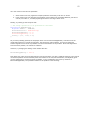
So the basic requirement to the InverseDynamicAnalysis solver is that is must be able to cope with
•
•
Statically indeterminate problems
Unilateral forces elements.
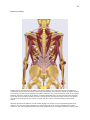
The fact that a mechanical system involving multiple muscles usually has too few equilibrium equations is
not just of mathematical interest. The physical interpretation is that infinitely many different sets of forces
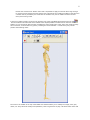
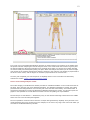
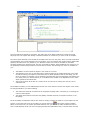
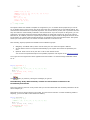
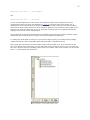
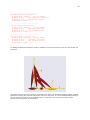
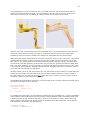
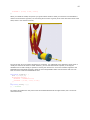
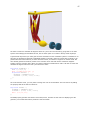
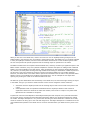
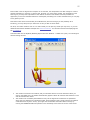
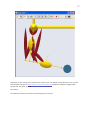
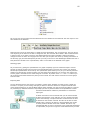
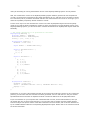
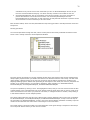
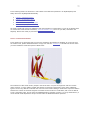
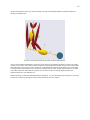
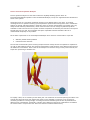
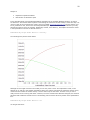
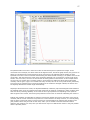
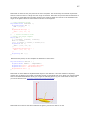
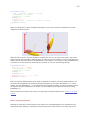
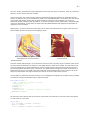
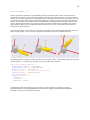
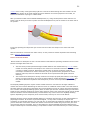
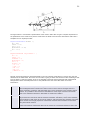
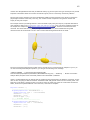
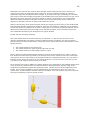
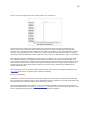
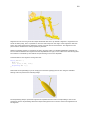
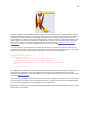
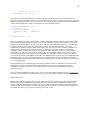
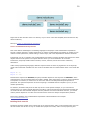
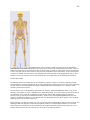
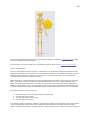
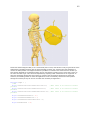
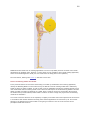
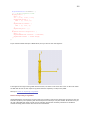
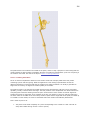
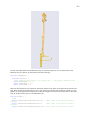
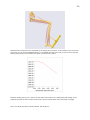
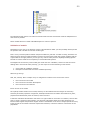
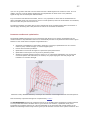
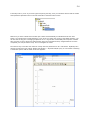
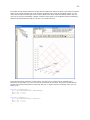
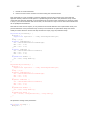
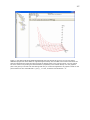
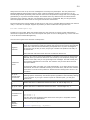
can balance the mechanism. Have a look at the example we have been using in many of the tutorials, the
simple arm performing a dumbbell curl:
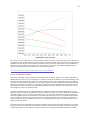
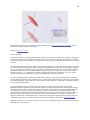
To simplify a little, let us consider just the elbow joint. The model has six muscles spanning the elbow. Four
of these are flexors and can work against the gravity on the dumbbell. In principle, only one flexor is
necessary provided it is strong enough, so having four flexors available gives all sorts of possibilities for
different force combinations. Technically, infinitely many different muscle force combinations can balance
the exterior load in a system like this. This is the essence of statical indeterminacy.