1
GENERAL INFORMATION
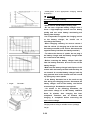
5. With the self-powered test light or ohmmeter attached to the fuse terminal and ground, wiggle the
wiring harness relating to the suspect circuit at various intervals. Start next to the fuse terminals and
work away from the fuse terminal. Watch the self-powered test light or ohmmeter while progressing
along the harness.
6. If the test light blinks or the needle on the ohmmeter moves, there is a short-to-ground at that point
in the harness.
Testing for a short with a test light or voltmeter
1. Remove the blown fuse.
2. Connect the test light or voltmeter across the fuse terminals in the starter relay. Turn the ignition
switch ON and check for battery voltage.
3. With the test light or voltmeter attached to the fuse terminals, wiggle the wiring harness relating to
the suspect circuit at various intervals. Start next to the fuse terminal a work systematically away
from the fuse terminal. Watch the test light or voltmeter while progressing along the harness.
4. If the test light blinks or if the needle on the voltmeter moves, there is a short-to-ground at that point
in the harness.
BRAKE SYSTEM
The front and rear brake units are critical to riding performance and safety. Inspect the front and
rear brakes frequently and repair any problem immediately. When replacing or refilling the brake fluid,
use only DOT 4 brake fluid from a closed container.
Always check the brake operation before riding the motorcycle.
Soft or Spongy Brake Lever or Pedal
Operate the front brake lever or rear brake pedal and check to see if the lever travel distance
increases. If the lever travel does increase while being operated, or feels soft or spongy, there may be
air in the brake line. In this condition, the brake system is not capable of producing sufficient brake
force. When there is an increase in lever or pedal travel or when the brake feels soft or spongy, check
the following possible causes:
1. Air in system.
WARNING
If the fluid level drops too low, air can enter the
hydraulic system through the master cylinder. Air can
also enter the system from loose or damaged hose
fittings. Air in the hydraulic system causes a soft or
spongy brake lever action. This condition is noticeable
and reduces brake performance. When it is suspected
that air has entered the hydraulic system, flush the
brake system and bleed the brakes as described in
Chapter Fifteen.
1-58