1
Flux Up
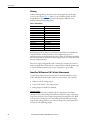
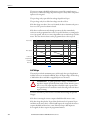
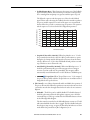
limits. In general, the flux current is not increased when the motor is at or above
rated speed. At higher speeds, field weakening is active and the motor flux current
cannot be increased. As the speed decreases below base speed, the flux current
increases until there is enough voltage margin to run rated motor current.
Because flux braking increases motor losses, the duty cycle used with this method
must be limited. Check with the motor vendor for flux braking or DC braking
application guidelines. You may also want to consider using external motor
thermal protection.
Flux Up
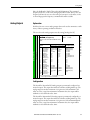
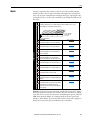
[Flux Up Mode]
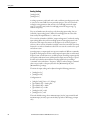
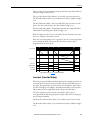
AC induction motors require flux to be established before controlled torque can
be developed. To build flux in these motors, voltage is applied to them. PowerFlex
drives have two methods to flux the motor.
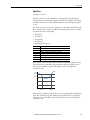
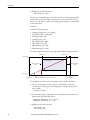
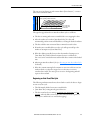
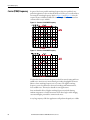
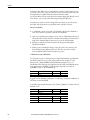
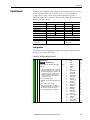
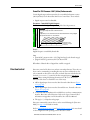
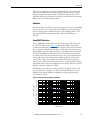
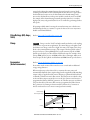
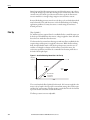
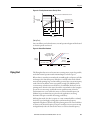
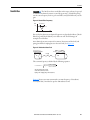
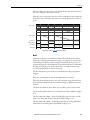
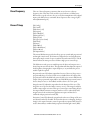
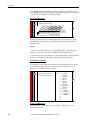
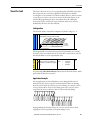
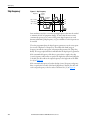
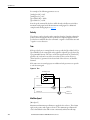
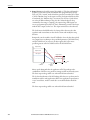
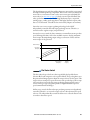
The first method is a normal start. During a normal start, flux is established as the
output voltage and frequency are applied to the motor. While the flux is being
built, the unpredictable nature of the developed torque may cause the rotor to
oscillate even though acceleration of the load may occur. In the motor, the
acceleration profile may not follow the commanded acceleration profile due to
the lack of developed torque.
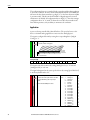
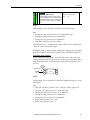
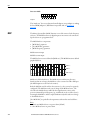
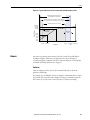
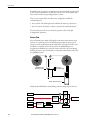
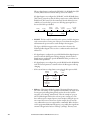
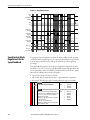
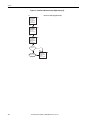
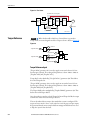
Figure 21 Accel Profile during Normal Start - No Flux Up
Frequency
Frequency
Reference
Rated Flux
Stator
Rotor
Oscillation due
to flux being
established
0
Time
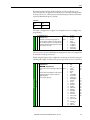
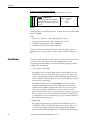
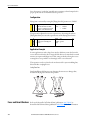
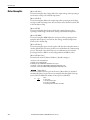
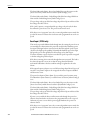
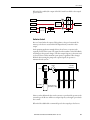
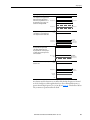
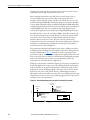
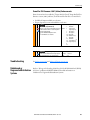
The second method is Flux Up Mode. In this mode, DC current is applied to the
motor at a level equal to the lesser of the current limit setting, drive rated current,
and drive DC current rating. The flux up time period is based on the level of flux
up current and the rotor time constant of the motor.
The flux up current is not user adjustable.
104
Rockwell Automation Publication PFLEX-RM001H-EN-P - June 2013