1
Speed Control, Mode, Regulation & Vector Speed Feedback
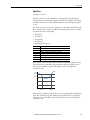
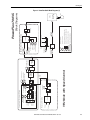
Application Example - Baking Line
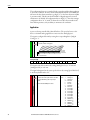
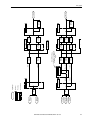
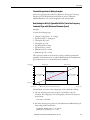
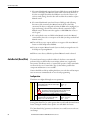
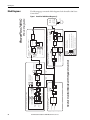
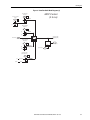
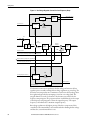
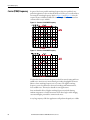
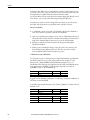
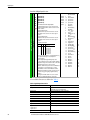
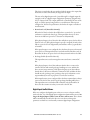
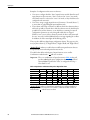
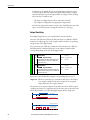
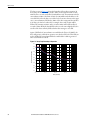
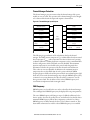
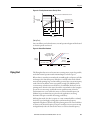
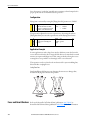
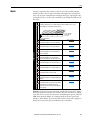
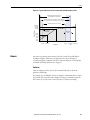
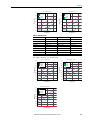
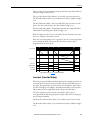
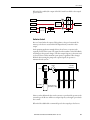
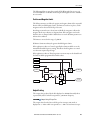
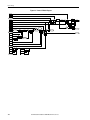
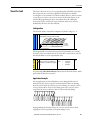
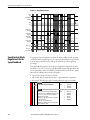
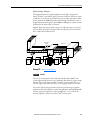
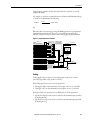
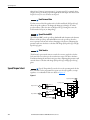
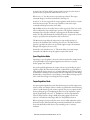
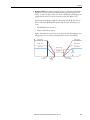
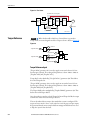
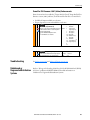
The diagram below shows a typical application for the Slip Compensation
feature. The PLC controls the frequency reference for all four of the drives. Drive
#1 and Drive #3 control the speed of the belt conveyor. Slip compensation will be
used to maintain the RPM independent of load changes caused by the cutter or
dough feed. By maintaining the required RPM, the baking time remains constant
and therefore the end product is consistent.
With the Slip Compensation feature, the process will only require a new speed
reference when the product is changed. The user will not have to tune the drive
due to a different load characteristic.
Dough Stress
Relief
Cookie Line
CUTTERS
OVEN
5/40
PowerFlex
Drive
PowerFlex
Drive
PowerFlex
Drive
PowerFlex
Drive
#1
#2
#3
#4
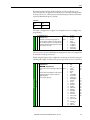
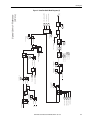
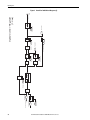
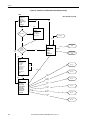
Process PI – See Process PI Loop on page 135
Vector
Encoder
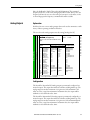
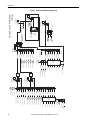
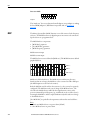
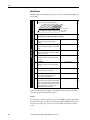
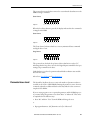
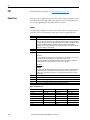
There is (1) encoder input on the I/O board of the PowerFlex 700VC. The
encoder input must be line driver type, quadrature (dual channel) or pulse (single
channel). The encoder input accepts 8 or 12V DC encoder signals. There is a
12V DC supply on the drive that can be used to supply power for the encoders.
An encoder offers the best performance for both speed and torque regulation
applications. Encoder feedback is required for applications with high bandwidth
response, tight speed regulation, torque regulation of (+/- 2%) or when the
motor is required to operate at less than 1/120th its’ base speed.
Rockwell Automation Publication PFLEX-RM001H-EN-P - June 2013
165