1
5
Operation
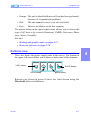
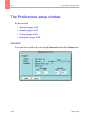
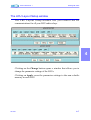
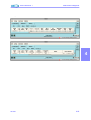
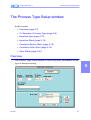
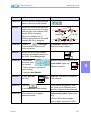
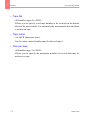
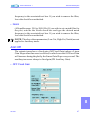
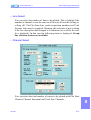
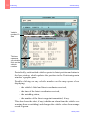
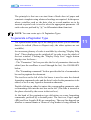
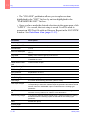
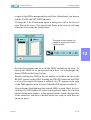
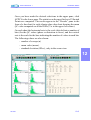
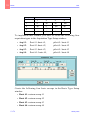
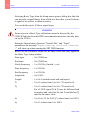
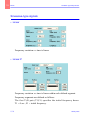
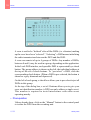
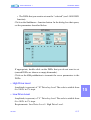
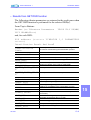
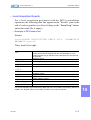
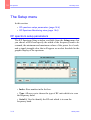
The Process Type Setup window
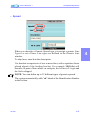
• M : (CM408 users only) Allows you to do a dump only to the
camera, without clearing the memory.
D, X, M, can be combined with the two sources, for example D1 to
dump the stacked result of the acquisition correlated by source 1. D1M2
will cause a dump of data correlated with S1 and a monitor of data
correlated with S2 and stacked.
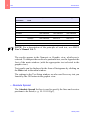
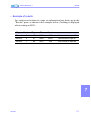
The possible single-source or dual-source combinations are: d1, d2,
d1d2 (plus, for CM408 users only: x1, x2, x1x2, d2x1, d1x2, m1, m2,
m1m2, d2m1, d1m2).
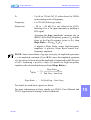
NOTE about Alternate Dual-Source (flip-flop) operations with a
distinct spread for each source:
- For CM408 users: the spread from which data is acquired and
recorded is the sum of the two spreads even though only one
source is vibrating.
- For CMXL users: the system distinguishes between the two
spreads, even if you are not using any Superspread.
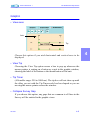
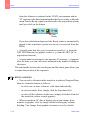
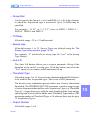
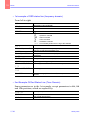
• Pilot Corr. Input
Used for the physical connection of the pilot on the Auxiliary line. You
just have to tell the system where the pilots are connected on the Aux
line. This is for one or two sources.
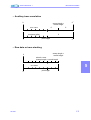
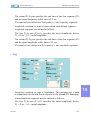
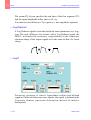
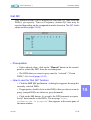
• Auto Corr Peak Time
(Allowable range: 0 to 99999 ms).
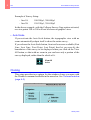
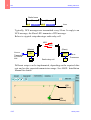
Used to shift the autocorrelation peak (recorded on two auxiliary
traces). Unless a value other than 1 is entered for the “Autocorr Peak
Time” shift, only one half of the correlation wavelet will be recorded on
each of the two auxiliary traces (negative time side of the peak on one
trace and positive time side on the other). Theoretically, the
autocorrelation wavelet is symmetrical with respect to the correlation
peak standing for zero time offset between the correlated signals.
5-18
January 2002





































































































































































































































![Final Report - [Almost] Daily Photos](http://vs1.manualzilla.com/store/data/005658230_1-ad9be13b69bd4f2e15f58148160b0f22-150x150.png)