1
D4.3 Prototype Software (Documentation)
TELL ME project – GA: 278723
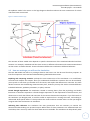
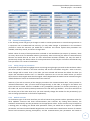
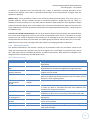
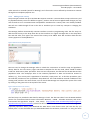
the epidemic model. The arrows in this logic diagram therefore indicate the main interactions for which
rules have been constructed.
Figure 1: Broad simulation logic
The outcome of these model rules depends on specific characteristics of the simulated individual and their
situation. For example, individuals will also have access to different information and communication based
on their access to media channels. Those information differences contribute to different behaviour.
1.3 How we envisage you will use the simulation
The TELL ME model was built as a prototype decision tool. But it can also be used for other purposes. At
least four important uses have been identified during stakeholder discussions.
Exploring and comparing scenarios: perhaps the most intuitive use of the simulation is to run different
scenarios and compare the outputs. Once you understand the different scenarios that can be simulated,
you may wish to run those you consider to be of interest, and explore the difference in outcomes. The most
obvious scenarios are the differing communication plans, however you may also wish to consider different
individual behaviour, epidemic parameters, or policy contexts.
Formal thought experiment: the simulation is based on existing theory from the psychology and health
literatures. It therefore represents a formal thought experiment on the implications of these theories, and
allows users to track the effects and outcomes of the various theoretical assumptions. If you find results in
the simulation you disagree with, it could be useful to explore what is causing the result, and seeking to
understand what specific effect it is that produces this result and thus consider what it is that you disagree
or agree with from the literature or simulation.
Informing data collection: the simulation has many parameters that are necessary to connect the
theoretical understanding into practical output. While some of these parameters are calibrated with real
world data, there are many others for which data were not available. The simulation can help identify what
7