1
CHAPTER 1
FUNDAMENTAL CONCEPTS
17
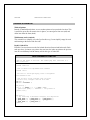
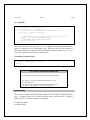
algorithms are described in Pseudocode). If you can write it without any errors, try to
find the problems related to the algorithm, try to solve them. There are many famous
books of algorithms. Try to make modified algorithm from the given algorithms in the
book to solve the problems.
Use simple algorithms, that are guaranteed to solve the problem in question, even if they
are not the optimum or the most elegant solution. Use them even if they are the most
stupid solution, provided they work and they are not exponential. You are not competing
for algorithm elegance or efficiency. You just need a correct algorithm, and you need it
now. The simplest the algorithm, the more the chances are that you will code it correctly
with your first shot at it.
This is the most important tip to follow in a programming contest. You don’t have the
time to design complex algorithms once you have an algorithm that will do your job.
Judging on the size of your input you can implement the stupidest of algorithms and have
a working solution in no time. Don’t underestimate today’s CPUs. A for loop of 10
million repetitions will execute in no time. And even if it takes 2 or 3 seconds you
needn’t bother. You just want a program that will finish in a couple of seconds. Usually
the timeout for solutions is set to 30 seconds or more. Experience shows that if your
algorithm takes more than 10 seconds to finish then it is probably exponential and you
should do something better.
Obviously this tip should not be followed when writing critical code that needs to be as
optimized as possible. However in my few years of experience we have only come to
meet such critical code in device drivers. We are talking about routines that will execute
thousands of time per second. In such a case every instruction counts. Otherwise it is not
worth the while spending 5 hours for a 50% improvement on a routine that takes 10
milliseconds to complete and is called whenever the user presses a button. Nobody will
ever notice the difference. Only you will know.
Simple Coding
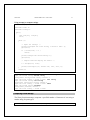
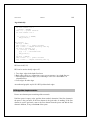
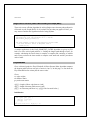
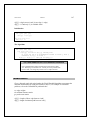
1. Avoid the usage of the ++ or -- operators inside expressions or function calls. Always
use them in a separate instruction. If you do this there is no chance that you introduce an
error due to post-increment or pre-increment. Remember it makes no difference to the
output code produced.
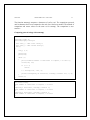
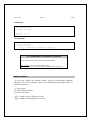
2. Avoid expressions of the form *p++.
3. Avoid pointer arithmetic. Instead of (p+5) use p[5].
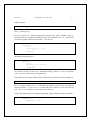
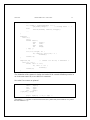
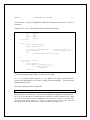
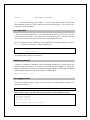
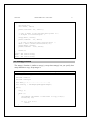
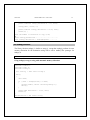
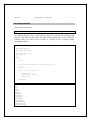
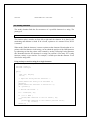
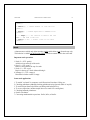
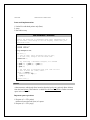
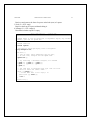
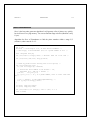
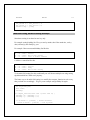
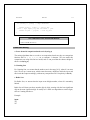
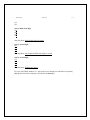
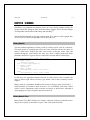
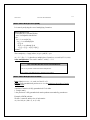
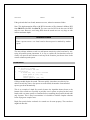
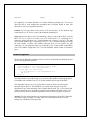
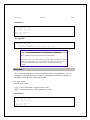
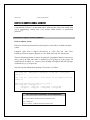
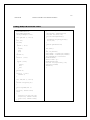
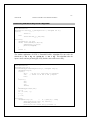
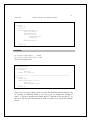
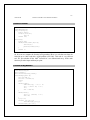
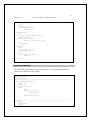
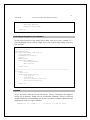
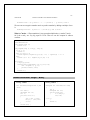
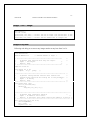
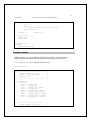
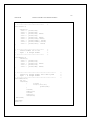
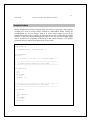
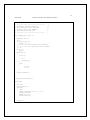
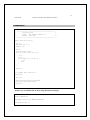
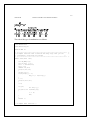
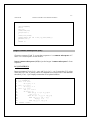
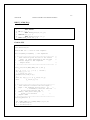
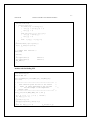
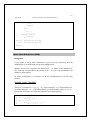
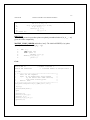
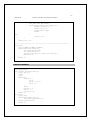
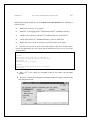
4. Never code like :