1
CHAPTER 3
PROGRAMMING IN C: A TUTORIAL
30
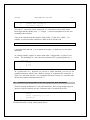
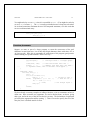
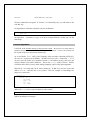
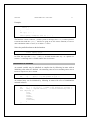
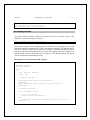
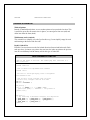
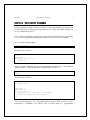
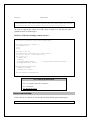
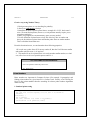
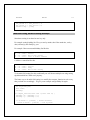
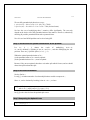
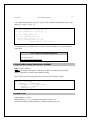
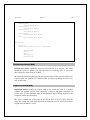
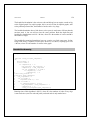
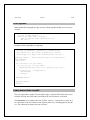
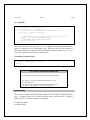
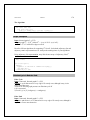
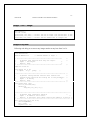
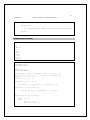
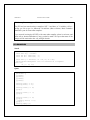
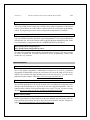
printf ("sum is %d\n", sum);
prints
sum is 6
Within the first argument of printf, the characters ``%d'' signify that the next argument in
the argument list is to be printed as a base 10 number.
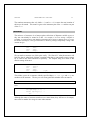
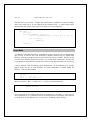
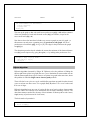
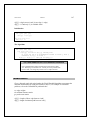
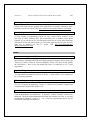
Other useful formatting commands are ``%c'' to print out a single character, ``%s'' to print
out an entire string, and ``%o'' to print a number as octal instead of decimal (no leading
zero). For example,
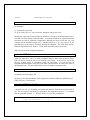
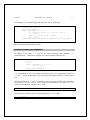
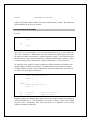
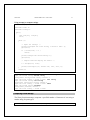
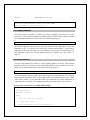
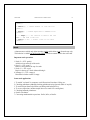
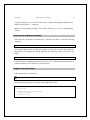
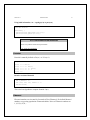
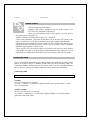
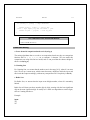
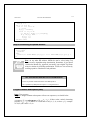
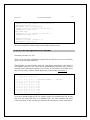
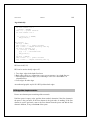
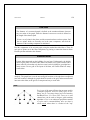
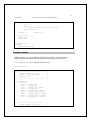
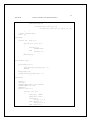
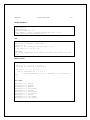
n = 511;
printf ("What is the value of %d in octal?", n);
printf ("%s! %d decimal is %o octal\n", "Right", n, n);
prints
What is the value of 511 in octal?
is 777 octal
Right! 511
decimal
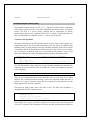
If - relational operators and compound statements
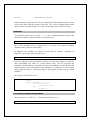
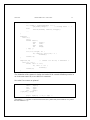
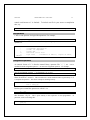
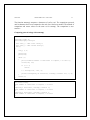
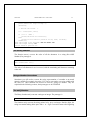
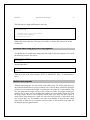
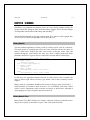
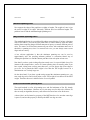
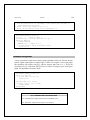
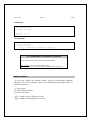
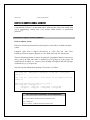
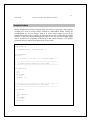
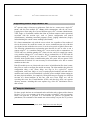
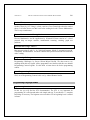
The basic conditional-testing statement in C is the if statement:
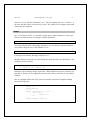
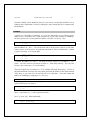
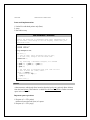
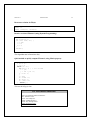
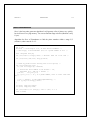
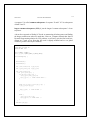
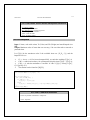
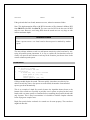
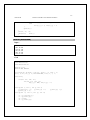
c = getchar( );
if( c == '?' )
printf("why did you type a question mark?\n");
The simplest form of if is
if (expression) statement
The condition to be tested is any expression enclosed in parentheses. It is followed by a
statement. The expression is evaluated, and if its value is non-zero, the statement is
executed. There's an optional else clause, to be described soon.
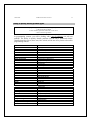
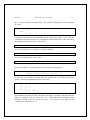
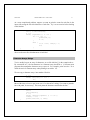
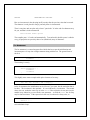
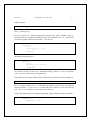
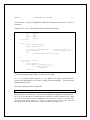
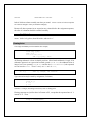
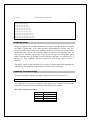
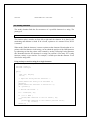
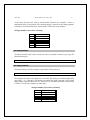
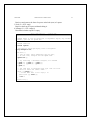
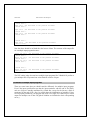
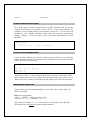
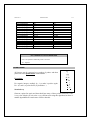
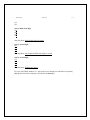
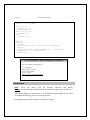
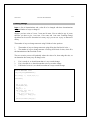
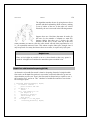
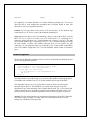
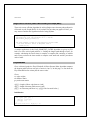
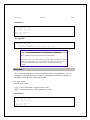
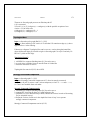
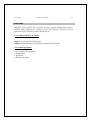
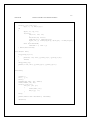
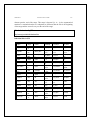
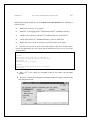
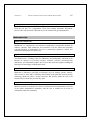
The character sequence `==' is one of the relational operators in C; here is the complete set:
==
!=
>
equal to (.EQ. to Fortraners)
not equal to
greater than