1
Chapter 1. Features and Capabilities
1.2.1 Transit-Time Method
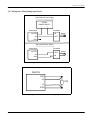
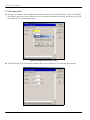
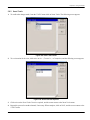
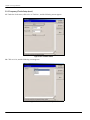
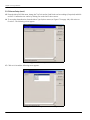
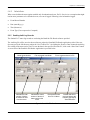
The transit time technique uses a pair of transducers, with each transducer alternately sending and receiving coded
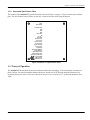
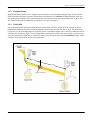
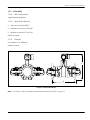
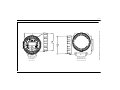
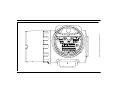
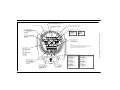
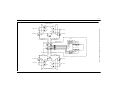
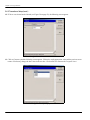
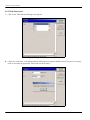
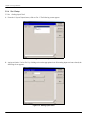
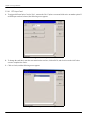
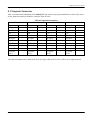
ultrasonic signals through the fluid. Figure 4 below shows the paths used in the Sentinel LCT. When the fluid is
flowing, signal transit time in the downstream direction is shorter than in the upstream direction; the difference
between these transit times is proportional to the flow velocity. The Sentinel LCT measures this very small time
difference and, using various digital signal processing techniques combined with programmed pipe parameters,
determines the flow rate and direction.
Figure 4: Path Configuration
1.2.2 Transducers
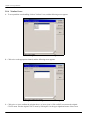
When in a transmit cycle, transducers convert electrical energy into ultrasonic pulses and then convert the ultrasonic
pulses back to electrical energy when in a receive cycle. In other words, they act like loudspeakers when transmitting
the signal and like microphones when receiving it. They perform the actual data transmission and collection, thus
interrogating the flow.
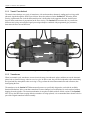
The transducers in the Sentinel LCT Measurement System were specifically designed to work with the available
Insertion Mechanism. In the event that a transducer becomes damaged or non-functional, it can be replaced without
shutting down the pipeline. The insertion mechanism is an option available with all offered versions of the Sentinel
LCT. To keep the fluid from escaping while the transducer is being replaced, it is recommended that a shutoff valve be
part of the original transducer holder assembly.
6
Sentinel LCT User’s Manual