1
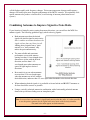
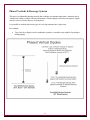
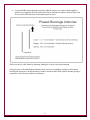
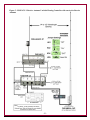
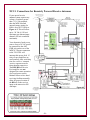
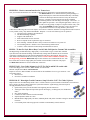
will shift phase rapidly with frequency changes. This means temperature changes and frequency changes will both require more frequent readjustment of the NCC-1 controls. (Exceptionally wide spaced antennas also produce a similar effect, as will mixing of antenna polarizations in one system.) Combining Antennas to Improve Signal-to-Noise Ratio If your location is limited by noise coming from many directions, you can still use the NCC-1 to enhance signals. The following guidelines apply when enhancing signals: Both antennas must hear the desired signal with similar signal-to-noise ratios. Don’t combine an antenna that hears the signal with one that can’t hear it at all. Adding desired signals from a "quiet antenna" to a "noisy antenna" only makes the quiet antenna noisy. The most reliable and consistent performance occurs with antenna spacing less than 1/4-wavelength when antennas are in line with the desired direction, and less than 1-1/2wavelengths apart when antennas are spaced at right angles to desired directions. Best sensitivity occurs when antennas are more than 1/10-wavelength apart when the antennas are in line with the desired direction, and more than 1/2-wave apart when broadside to the desired direction When enhancing desired signals, it is preferable to locate both A and B INPUT antennas as far from local noise sources as possible. Using a vertically polarized antenna in combination with a horizontally polarized antenna almost always increases fading over an ionospheric path. Note: In cases where one antenna is significantly noisier than the other, it is often possible to use the quieter antenna for the signal and cancel noise with the noisy antenna. The same noise must appear on both antennas. -6-