1
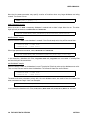
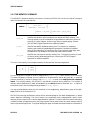
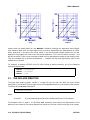
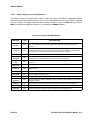
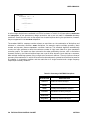
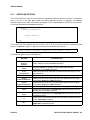
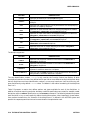
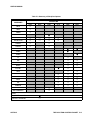
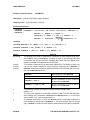
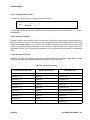
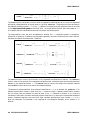
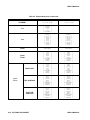
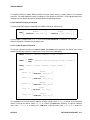
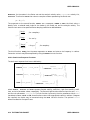
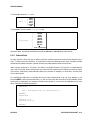
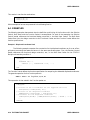
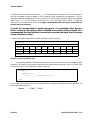
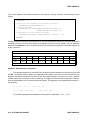
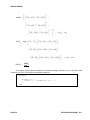
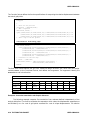
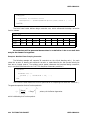
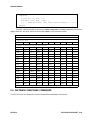
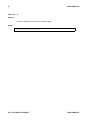
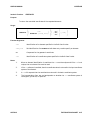
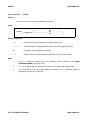
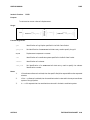
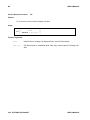
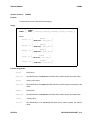
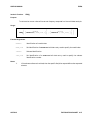
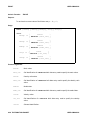
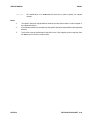
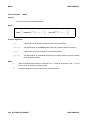
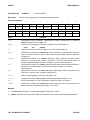
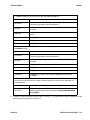
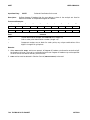
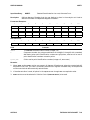
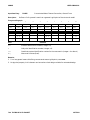
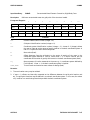
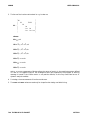
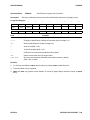
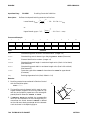
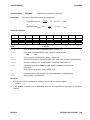
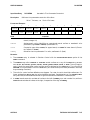
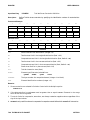
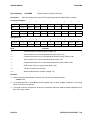
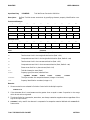
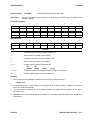
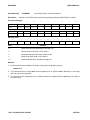
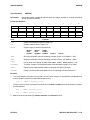
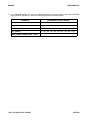
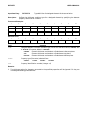
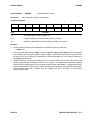
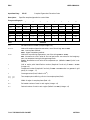
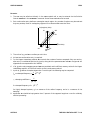
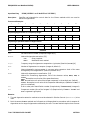
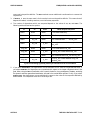
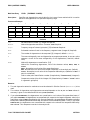
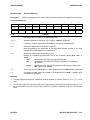
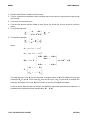
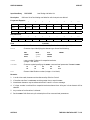
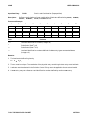
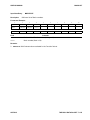
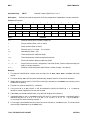
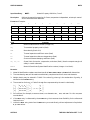
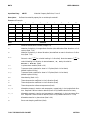
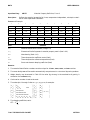
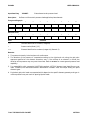
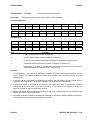
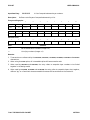
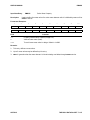
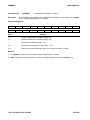
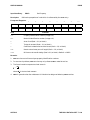
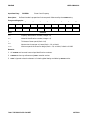
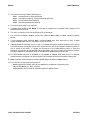
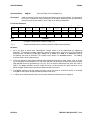
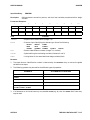
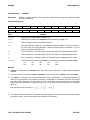
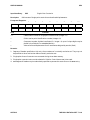
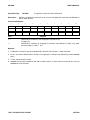
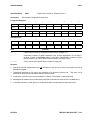
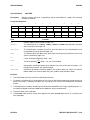
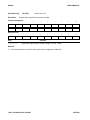
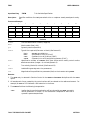
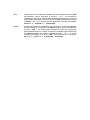
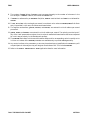
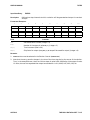
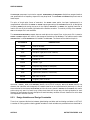
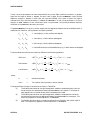
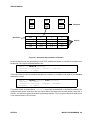
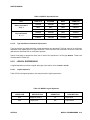
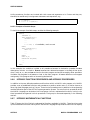
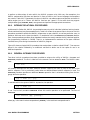
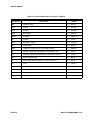
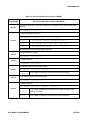
USER’S MANUAL MODELIST, for the modes in the flutter set and the analysis velocity value, vvalue, or a velocity list, VELOLIST. The function FROOT then returns a complex number representing the flutter root: p = k(γ+i) The arguments to the second function, FDAMP, are a component, GAMMA or ZETA, the Mach value, a density ratio, a selected mode index for the modes in the flutter set and the analysis velocity. The function then returns the specified flutter damping coefficient as defined below. Re (p) Im (p) γ = Re (p) ln 2 Re (p) ζ = Im (p) ; for complex p ; for real p 2 2 + Re (p) 1⁄ 2 ; for complex p The third function, FFREQ, has the same arguments as FROOT and returns the frequency in radians. Conversion to Hertz may be accomplished by using the HERTZ intrinsic function. 6.3.2.8. Static Aero Response Functions The static aero response functions are defined by: caseid FLEXCF axis , trim_param , CASELIST ( case_sid ) caseid RIGIDCF axis , trim_param , CASELIST ( case_sid ) caseid TRIM trim_param , CASELIST ( case_sid ) where FLEXCF, RIGIDCF and TRIM represent flexible stability coefficient, rigid direct stability coefficient, and trim parameter values, respectively. The flex and rigid functions allow as input the axis, axis, and the trim parameters, trim_param. The trim function inputs only the trim parameters. When axis (see below) is ROLL, PITCH or YAW, these functions return their appropriate results in radians. If degrees are required, the results may be converted using the DEGS intrinisic function. The optional caseid allows the selection of a specific case. 6-12 THE FUNCTION PACKET USER’S MANUAL