1
#
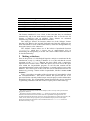
Feature
Explanation
5
PtcpLabel
syntactic label of the participle (VAG, IP-PPL etc)
6
PtcpTense
progressive is „Present‟ or „Past‟ tense4
7
PostVfNum
number of sibling-constituents following Vfinite
8
SbjSize
number of words in the subject
9
SbjType
NPtype of the subject
10 SbjRef
Estimate for subject‟s referential status
Table 1 Features that represent independent variables in a statistic analysis
The features numbered 5-8 are „fixed‟ in the sense that they are calculated
automatically and do not need manual correction. This is not the case for
features 9 (SbjType) and 10 (SbjRef). These features are estimated
automatically, but they may need manual correction.
The “SbjType” feature, for instance, makes use of the “NPtype” feature
that has been added to the original Treebank texts. But this feature has not
been determined for some of the Noun Phrases, which are distinguishable by
having the feature value “unknown”.
The “SbjRef” feature makes use of the built-in CorpusStudio function
“ru:RefState”, which has a success rate of approximately 85% in
determining the referentiality of an NP. The values of this feature all need to
be checked manually!5
5
Making a database
Next in the process of a full-fledged linguistic analysis as mentioned in the
introduction is step (3), making a database. It is to this end that the second
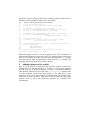
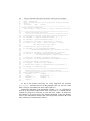
argument of the “ru:back” function has been filled with a semicolonseparated list of feature values. When the queries have been run on the input
texts within the CorpusStudio program, an xml file that contains all the
important information on the result sentences is created, but this is not yet the
database. This correct part of this result file can be transformed into an xml
database by pressing a button within CorpusStudio, labelled “create result
database”.
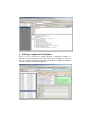
Figure 1 provides a screenshot of the relevant part of CorpusStudio, called
the “ConstructorEditor”. This editor contains the queries that are to be
processed for the currently loaded corpus research project, and it defines their
hierarchical order. The CorpusStudio manual describes the process involved
in generating a database from the results of a query line in more detail [5].
4
This feature is unnecessary for the current example, where we only look at present-tense
progressive inversion.
5
The Xquery functions starting with the “ru:” prefix are all listed in the CorpusStudio
manual. These functions have been hard-coded in CorpusStudio and approach the xml
documents through the Microsoft xml library; the program makes use of the Saxon Xquery dll,
which, in turn, allows host-programs to provide additional Xquery functions through a
namespace declaration that points to the executable itself. The ru:RefState function is
described more fully in [8].