1
APPROVED PRODUCTS,
CAPACITIES, & SPECS
THE LANGUAGE OF OXYGEN
When we talk about getting oxygen fills for our rebreathers, we speak
about different grades of oxygen, such as “medical” grade, “aviation”
grade and “welding” (or “industrial”) grade. Since we know from high
school chemistry that oxygen only has one box on the periodic table,
what do these different grades of oxygen signify?
To start off the conversation intelligently, we have to understand that
different countries have different methods and nomenclatures for
designating grades fit for a particular purpose. There is no sense going to
all the trouble to purify or certify oxygen for medical use that is destined
for a welding machine, is there? Being that the United States is the
PRISM 2’s home country, we might as well talk about the way things are
done here.
The first thing to clear up is something that is heatedly debated on
internet forums and that is, “Is oxygen a controlled substance in the
United States requiring a prescription to get a cylinder filled?” The
answer as with most things governmental is of course, yes and no.
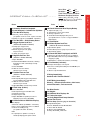
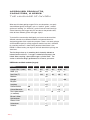
USP Grades and their contents (in ppm)
Content
Oxygen Min. % (mole)
A
99.0
B
99.5
C
99.5
D
99.5
E
99.6
F
G
99.995 99.5
Water (v/v)
50
6.6
8
1.0
2
Dew Point (oF)
-54.5
-82
-80
-105
-97
Methane
50
Nitrogen
100
Ethylene
0.4
Acetylene
0.1
Carbon Dioxide
300
10
1.0
5
Carbon Monoxide
10
1.0
Total Hydrocarbons
(as methane)
50
1.0
25
Ethane & Other
Hydrocarbons
6
Nitrous Oxide
4
0.1
2
Halocarbons
2
Solvents
0.2
113 |