1
siRNA Generation Kit-T510001
A division of Gene Therapy Systems, Inc.
The Dicer siRNA Generation Kit contains sufficient reagents for generating small interfering RNAs (siRNAs) from up to 5 different genes and
for 50 transfections in 24-well plates.
Sub Kit
Recombinant Dicer Enzyme Kit
(50 units)
TurboScript™ T7 Transcription Kit
(5 reactions)
GeneSilencer® siRNA Transfection
Reagent Kit (50 transfections)
RNA Purification Column 1
RNA Purification Column 2
Shipping
Storage
Content
Recombinant Dicer Enzyme
Dicer Reaction Buffer
50 mM MgCl2 Solution
10 mM ATP
Dicer Stop Solution
Nuclease-free Water
T7 Enzyme Mix
T7 Reaction Buffer
NTP Mix
DNase I
2X Gel Loading Buffer
Nuclease-free Water
LiCl Precipitation Solution
GFP Control Plasmid
5’ Control Primer
3’ Control Primer
GeneSilencer siRNA Transfection Reagent
siRNA Diluent
RNA Purification Column 1
Hydration Buffer
RNA Purification Column 2
Amount
1 vial (100 µl @ 0.5 unit/µl)
1 vial (200 µl)
1 vial (25µl)
1 vial (50 µl)
1 vial (100 µl)
1 vial (1 ml)
1 vial (10 µl)
1 vial (10 µl)
1 vial (40 µl)
1 vial (5 µl)
1 vial (175 µl)
1 vial (1 ml)
1 vial (175 µl)
1 vial (10 µl gWiz/GFP @ 1.0 µg/µl)
1 vial (10 µl @ 1.0 µg/µl)
1 vial (10 µl @ 1.0 µg/µl)
1 vial (180 µl)
1 vial (1.5 ml)
5 columns
1 bottle (4 ml)
5 columns
Storage
-20oC
-20oC
4oC
Room temperature
Room temperature
Shipped frozen (dry ice).
See recommended storage conditions in table above. All components are stable for six months when stored properly.
RELATED PRODUCTS
Recombinant Human Dicer Enzyme Kit
TurboScript™ T7 Transcription Kit
RNA Purification Column 1
RNA Purification Column 2
Turbo Dicer siRNA Generation Kit
Turbo Dicer Recombinant Enzyme Kit
GeneSilencer® siRNA Transfection Reagent (0.75 ml)
GeneSilencer® siRNA Transfection Reagent (5 x 0.75 ml)
TurboCells® Chemically Competent E. coli
TurboCells® F’ Chemically Competent E. coli
Catalog Number
T510002
T510003
T510004
T510005
T520001
T520002
T500750
T505750
C300020
C301020
Size
50 Units
20 Reactions
20 Columns
20 Columns
~50 Reactions
50 Units
200 Reactions
5 x 200 Reactions
20 x 50 µl single use tubes
20 x 50 µl single use tubes
Limited Label License for the Recombinant Dicer Enzyme
This product is covered by several patent applications owned by the Stanford University. The purchase of this product conveys to the buyer the
limited, non-exclusive, non-transferable right (without the right to resell, repackage, or further sublicense) under these patent rights to perform
the siRNA production methods claimed in those patent applications for research purposes solely in conjunction with this product. No other
license is granted to the buyer whether expressly, by implication, by estoppel or otherwise. In particular, the purchase of this product does not
include nor carry any right or license to use, develop, or otherwise exploit this product commercially, and no rights are conveyed to the buyer to
use the product or components of the product for any other purposes, including without limitation, provision of services to a third party,
generation of commercial databases, or clinical diagnostics or therapeutics. In addition, any user that purchases more than $5,000 in any
calendar quarter may be outside the above research license and will contact Stanford University for a license. This product is sold pursuant to a
license from Stanford University, and Stanford University reserves all other rights under these patent rights. For information on a license to the
patent rights for uses other than in conjunction with this product or to use this product for purposes other than research, please contact Stanford
University at 650 723-0651. This is Stanford University reference S02-028.
Introduction to RNA Interference
Genlantis
10190 Telesis Court. San Diego, CA 92121
VKM070419
Page 1 of 8
Toll Free: (888) 428-0558 « (858) 457-1919 « Web: http://www.genlantis.com
Introduction to RNA Interference
RNA interference (RNAi) has become an important tool for studying
gene functions because it allows sequence specific gene suppression
in a variety of organisms (e.g. plants, insects, and nematodes) and
cultured mammalian cell lines. RNAi is characterized by targeted mRNA
degradation after introduction of sequence-specific double stranded
RNAs (dsRNAs) into cells (1,2,3). Several studies indicate that RNAi is
an evolutionarily conserved defense mechanism directed against
invading viral genomes or aberrant transcription products (4,5). In vitro
studies using Drosophila lysates revealed that 21-25 nucleotide small
interfering RNA duplexes (siRNAs) are the mediators of gene silencing.
These siRNAs are derived from processing of the dsRNA by an RNase
III-like enzyme (6,7,8). The mechanism involves the recruitment of
siRNAs into a multi-protein complex known as RNA Induced Silencing
Complex (RISC), which interacts with the target RNA to mediate
cleavage in a catalytic fashion (6,9,10). Although cellular uptake of long
trigger dsRNAs by organisms such as C. elegans and Drosophila has
proven to be an effective method to induce RNAi, long dsRNAs tend to
result in non-specific gene suppression in vertebrate cells due in part to
Type I interferon response (11). Subsequent studies using synthetic
siRNAs (less than 30 nucleotides) demonstrated that siRNAs can
bypass the mammalian interferon response and cause effective genespecific silencing in mammalian cells (1,12). In addition, the gene
silencing effect caused by siRNA can be detected even after many cell
divisions. These properties make siRNA a useful tool for a broad range
of research areas in mammalian cells.
Figure 1. How Dicer siRNA Generation Kit Works
How Dicer siRNA Generation Kit Works
The Dicer siRNA Generation Kit mimics the natural RNA interference
process by using recombinant human dicer enzyme, to cleave in vitro
transcribed dsRNA into a pool of 22 bp siRNAs (Figure 1).
The Dicer siRNA Generation Kit relies on two novel technologies for
efficient siRNA production. First, the TurboScript™ T7 Transcription Kit
utilizes a novel technology to allow rapid synthesis of 10 to 50 times the
amount of RNA produced by conventional in vitro transcription
reactions. The secret behind high yield is that each DNA template is
copied hundreds of times. This ensures that you will have sufficient
dsRNA after annealing the transcribed sense and antisense RNA
strands. The second key technology is an ultra-active form of human
recombinant dicer enzyme that can cleave more than 95% of dsRNA
template into 22 bp siRNAs within 12 hours under optimized reaction
conditions (Figure 2). With abundant supply of dsRNA templates and
subsequent efficient dsRNA cleavage you are sure to have sufficient
siRNAs in every single species to achieve gene silencing.
Fig. 2. Efficient Digestion of Double-stranded RNA with
Recombinant Human Dicer Enzyme
700 bp
Advantages of Dicer siRNA Generation Kit
22 bp
Compared to conventional siRNA construction methods such as
chemical synthesis and hairpin siRNA expression vectors, the Dicer
siRNA Generation Kit offers the following advantages:
No guesswork – A mixture of siRNAs has a better chance of
success than a single siRNA design.
Cost effective - No wasted time and money due to failed siRNAs.
High efficiency-More regions of genes are screened for silencing.
Ideal for use with GeneSilencer® siRNA Transfection Reagent.
Genlantis
10190 Telesis Court. San Diego, CA 92121
VKM070419
1 µg of a 700 bp dsRNA after 12 hour of digestion by the
dicer enzyme. Lanes: 1. marker, 2. 1 µl dicer; 3. 1.5 µl
dicer, 4. 2 µl dicer, 5. 2.5 µl dicer, 6. 3 µl dicer, 7. 3.5 µl
dicer, 8. 4 µl dicer, 9. 1 µg dsRNA (control)
Page 2 of 8
Toll Free: (888) 428-0558 « (858) 457-1919 « Web: http://www.genlantis.com
MATERIALS AND METHODS
5’-GCG-TAATACGACTCACTATAGGGAGA--Target DNA--3’
3’ --Target DNA--AGAGGGATATCACTCAGCATAAT-GCG-5’
1. Generating Double-Stranded RNA (dsRNA)
Template
1.1. Preparation of Template DNA for Transcription
1.1.1. Determining a target region
The region selected for gene silencing does not
seem to matter. You may follow a method suggested
by Tuschl et al. (13) and pick a region of about 100150 nucleotides downstream from the start codon,
which would prevent the dicedsiRNAs (dsiRNAs)
from potentially competing with proteins involved in
translation initiation.
PCR
5’-GCGTAATACGACTCACTATAGGGAGA-Target-CTCCCTATAGTGAGTCGTATTACGC-3’
3’-CGCATTATGCTGAGTGATATCCCTCT- DNA -AGAGGGATATCACTCAGCATAATGCG-5’
1.1.2. The size of the target template
The Recombinant Dicer Enzyme performs best with
double-stranded RNA (dsRNA) between 500-1000
bp in length. Dicer also works with longer dsRNAs,
even full-length cDNAs. However, for silencing a
single gene, using a 500 bp dsRNA is sufficient. We
recommend that you use templates that are 500 –
1000 bp in length.
IMPORTANT 1) The yield of dsRNA might be low if the
DNA template is smaller than 300 bp or the gene is GC
rich and longer than 2 kb; 2) The dicer enzyme might not
digest well if the dsRNA is smaller than 300 bp.
1.1.3. Adding T7 Promoters to the DNA template using
PCR
The DNA template must contain the T7 RNA
polymerase promoter site at both ends so that it can
be used as a template for in vitro transcription with
the TurboScript™ T7 Transcription Kit.
T7 promoter sequence:
+1
TAATACGACTCACTATAGGGAGA
NOTE The underlined sequence shown above is the
minimum promoter sequence needed for efficient
transcription. The + 1 base (in bold) is the first base
incorporated into RNA during transcription. The 20-base
T7 promoter region includes 2 bases which will form the
first 2 bases of the transcribed RNA. Yields of transcription
product are greatly reduced if the +1 or +2 G residues are
changed.
1.1.3.1. Design gene-specific PCR primers by using the
diagram below. We recommend using 20 bases
that are gene specific in each primer.
5’ Primer:
5’-GCG-TAATACGACTCACTATAGGGAGA-NNNNNNNNNN-3’
leader
T7 promoter sequence
Target DNA (~20 bases)
3’ Primer:
5’-GCG-TAATACGACTCACTATAGGGAGA-NNNNNNNNNN-3’
leader
T7 promoter sequence
Genlantis
10190 Telesis Court. San Diego, CA 92121
Target DNA (~20 bases)
VKM070419
In vitro transcription
sense
dsRNA
antisense
1.1.3.2. PCR Protocol
We recommend that you use the PCR
Control Plasmid, which contains a 700 bp
GFP gene as positive control template.
Prepare a 100 µl reaction mix as follows:
10 µl
1 µl
1 µl
1 µl
1 µl
x µl
86-x µl
10 x PCR buffer
10 mM each dNTP
DNA template (50 ng)
5’ primer (1µg/µl)
3’ primer (1µg/µl)
DNA polymerase (Amount varies
depending on the supplier)
ddH2O
PCR program:
94oC for 3 minutes
94oC for 30 seconds
58oC for 30 seconds
68oC for 1 minute/1kb
35 cycles
68oC for 5 minutes
4oC storage
1.1.4. Purification of PCR Product. It is important to use a
clean PCR product to ensure high dsRNA yield. Purify
PCR product as follows:
1.1.4.1. Add 1/10 volume of 3 M sodium acetate pH 5.3.
1.1.4.2. Add 2 volumes of ethanol.
1.1.4.3. Mix well and chill at –20°C for 30 min.
1.1.4.4. Pellet the DNA for 15-30 min in a
microcentrifuge at top speed.
1.1.4.5. Remove the supernatant carefully. Resuspend
the DNA pellet with 100 µl cold 70% ethanol.
1.1.4.6. Spin at top speed for 15 min.
1.1.4.7. Remove the supernatant carefully, and air-dry
DNA pellet.
1.1.4.8. Resuspend the DNA in 20 µl of Nuclease-free
Water and quantitate by spectrophotometry.
Store at -20°C until later use.
Page 3 of 8
Toll Free: (888) 428-0558 « (858) 457-1919 « Web: http://www.genlantis.com
GenePORTER® Transfection Reagent Manual
1.2. Generation of dsRNA
1.2.1. Transcription Reaction Assembly
1.2.1.1. Thaw the frozen reagents. Place the T7 Enzyme
Mix on ice; it is formulated in glycerol and does
not freeze at –20°C. Vortex the T7 Reaction
Buffer and the NTP Mix until they are completely
in solution. Once thawed, store the NTP Mix on
ice. Keep T7 Reaction Buffer at room
temperature while assembling the reaction.
IMPORTANT: All reagents should be microfuged
briefly before opening to prevent loss and
contamination of material that may be present
around the rim of the tube.
1.2.1.2. Assemble the transcription reaction at room
temperature. The following amounts are for a
single 20 µl reaction. Reactions may be scaled
up or down if desired.
Add to 20 µl
Nuclease-free Water
8 µl
NTP mix
2 µl
T7 Reaction Buffer
1 µg
PCR template DNA (from
step 1.1.4.8.)
2 µl
T7 Enzyme Mix
IMPORTANT: The spermidine in the T7 Reaction
Buffer can co-precipitate the template DNA if the
reaction is assembled on ice. Add the T7
Reaction Buffer after the water and the NTP Mix
are already in the tube.
1.2.2. Gently flick the tube or pipette the mixture up and
down gently, then microfuge the tube briefly so that
the reaction mixture is at the bottom of the tube.
1.2.3. Incubate at 37°C for 2-4 hours.
IMPORTANT: The first time a new template is
transcribed, the recommended incubating 2–4 hours.
To determine the optimum incubation time for
maximum yield with a given template, a time-course
experiment can be done. To do this, set up a
TurboScript™ T7 Transcription reaction, and remove
aliquots of the reaction at various intervals (for
example after 1 hour, 2 hours, 4 hours, 6 hours, and
overnight incubations).
1.2.4. To remove template DNA, add 1 µl DNase I to each
20 µl T7 Reaction. Mix well and incubate for 15 min at
37°C.
1.2.5. Check the dsRNA on a 1% agarose gel (TAE) by
using the 2X Gel Loading Buffer.
NOTE: dsRNA will migrate like DNA i.e. a 500 bp
dsRNA will migrate at the same rate as a 500 bp band
in a DNA ladder. ssRNA will migrate much faster than
dsDNA of equivalent size. You may see faint slowermigrating bands above the full-length transcript on
non-denaturing gels. These may be the result of
secondary structures within the transcript and can be
ignored.
Genlantis
10190 Telesis Court. San Diego, CA 92121
VKM060413
1.3. Recovery of dsRNA
dsRNA can be directly used with the Recombinant Dicer
Enzyme Kit, but purified dsRNA, obtained from the
following procedure, can give slightly better results:
1.3.1. Precipitate the RNA by adding 30 µl Nuclease-free
Water and 30 µl LiCl Precipitation Solution to the
mixture from Step 1.2.4.
1.3.2. Mix thoroughly. Chill for > 30 min at –20°C.
1.3.3. Centrifuge at 4°C for 15 minutes at maximum speed
to pellet the RNA.
1.3.4. Carefully remove the supernatant. Wash the pellet
once with ~1 ml 70% ethanol and centrifuge again to
maximize removal of unincorporated nucleotides.
1.3.5. Carefully remove the 70% ethanol, and resuspend
RNA in Nuclease-free Water or TE Buffer. Determine
the RNA concentration and store at –20°C or –70°C.
IMPORTANT: Lithium chloride precipitation may not
efficiently precipitate RNAs smaller than 300
nucleotides, or if the concentration of RNA is lower
than 0.1 µg/µl. To precipitate from TurboScript™
reactions that are thought to have low RNA yields, do
not dilute the transcription reaction with water prior to
adding the LiCl Precipitation Solution.
1.4. Quantitation of dsRNAs
1.4.1. Quantitation by UV light absorbance
Reading the A260 of a diluted aliquot of the reaction is
clearly the simplest way to determine yield, but any
unincorporated nucleotides and/or template DNA in
the mixture will contribute to the reading. Typically, a
1:500 dilution of an aliquot of a TurboScript™ reaction
will give an absorbance reading in the linear range of
a spectrophotometer.
For RNA molecules, 1 A260 unit corresponds to 40
µg/ml, so the RNA yield can be calculated as follows:
A260 x dilution factor x 40 = µg/ml RNA
1.4.2. Assessing dsRNA yield with RiboGreen®
If you have a fluorometer, or a fluorescence
microplate reader, Molecular Probes’ RiboGreen®
fluorescence-based assay for RNA quantitation is a
convenient and sensitive way to measure RNA
concentration. Follow the manufacturer’s instructions
for using RiboGreen®.
1.4.3. Quantitation by ethidium bromide fluorescence
The intensity of ethidium bromide (EthBr) staining of
dsRNA in an agarose gel can give a rough estimate of
RNA yield.
1.4.3.1. Spot assay: If unincorporated nucleotides have
been removed, an EthBr spot assay can be
used to quantitate RNA concentration. Make a
standard curve with several 2 fold dilutions of an
RNA solution of known concentration. Start at
about 80 ng/µl, and go down to about 1.25
ng/µl. Make a few dilutions of the unknown
Page 4 of 8
Toll Free: (888) 428-0558 « (858) 457-1919 « Web: http://www.genlantis.com
GenePORTER® Transfection Reagent Manual
RNA, and add EthBr to 1 ng/µl to each dilution of
both RNAs. Spot 2 µl of the control RNA samples
and the unknown RNA dilutions onto plastic wrap
placed on a UV transilluminator. Compare the
fluorescence of the RNAs to estimate the
concentration of the sample RNA. Make sure that
the sample dilutions are in the linear range of
EthBr fluorescence. This assay will detect as little
as 5 ng of RNA with an error of about 2 fold.
1.4.3.2. Denaturing gel electrophoresis: If unincorporated
nucleotides have not been removed from the
reaction, an aliquot of the TurboScript™ reaction
should be run on a denaturing agarose or
acrylamide gel alongside an aliquot of RNA of
known concentration. Stain the samples with
EthBr, and simply compare the intensity of the
unknown sample to that of the known RNA
sample to estimate its concentration.
2. Generating siRNAs Using Recombinant Dicer
Enzyme
2.1. Dicer Reaction
2.1.1. Keep the Dicer Reaction Buffer at room temperature
while assembling the reaction. The following amounts
are for a single 10 µl reaction:
2.5 µl -x
Nuclease-free water
x µl
dsRNA (1 µg)
1 µl
10 mM ATP
0.5 µl
50 mM MgCl2
4 µl
Dicer Reaction Buffer
2 µl
Recombinant Dicer Enzyme (1 Unit)
IMPORTANT: Avoid using excess dicer enzyme; it may
decrease the amount of dicedsiRNA (dsiRNA) generated
from the digestion reaction. 1 µg of dsRNA control
template will yield about 0.5 µg of dsiRNA, which is
sufficient for one or two transfections in 24-well plates
using the GeneSilencer siRNA Transfection Reagent.
Adjust the reaction volume accordingly if you need more
dsiRNAs.
2.1.2. Incubate overnight (12 to 18 hours) at 37°C.
2.1.3. Stop the reaction by adding 2 µl Dicer Stop Solution.
2.1.4. Check dsiRNA (~22 base pairs) by using one of the
following methods:
a. 3 % agarose Gel (TAE).
b. 15% native polyacrylamide gel (29:1, cast in 1X and
electrophoresed in 0.5X TBE). Run at 10 Watts,
4°C. Visualize RNA by EthBr staining.
2.2. Purification of siRNAs
2.2.1. Removing salts and unincorporated nucleotides with
RNA Purification Column 1.
IMPORTANT: This step requires a fixed-angle-rotor
microcentrifuge. On a variable speed microcentrifuge,
DO NOT use the pulse button, which overrides the
speed setting and takes the rotor to maximum g-force
Genlantis
10190 Telesis Court. San Diego, CA 92121
VKM060413
2.2.1.1. Tap the RNA Purification Column 1 to settle the
dry gel in the bottom of the spin column.
2.2.1.2. Hydrate the column with 650 µl of Hydration
Buffer. Cap, vortex, tap out air bubbles, and
hydrate at room temperature 5–15 min.
2.2.1.3. (Optional) Once hydrated, these columns can be
stored in the refrigerator up to 3 days.
2.2.1.4. Spin the column at 750 x g for 4 min to remove
excess interstitial fluid, keeping track of the
orientation of the column in the rotor by marking
the column.
2.2.1.5. Discard the wash tube and immediately apply the
sample (20–100 µl) DIRECTLY TO THE
CENTER OF THE GEL BED at the top of the
column without disturbing the gel surface or
contacting the sides of the column with the
pipette tip or reaction mixture.
2.2.1.6. Place the column in the sample collection tube
and place in the rotor, maintaining the same
orientation as in Step 2.2.1.4.
2.2.1.7. Spin the column in the tube at 750 x g for 3 min.
Your sample will be in the collection tube.
2.2.2. Removing undigested dsRNA with RNA Purification
Column 2.
2.2.2.1. Insert the sample reservoir into one of the vials
provided.
2.2.2.2. Add 10 µl of nuclease free water into the sample
reservoir without touching the membrane with the
pipette tip. Seal the attached cap.
2.2.2.3. Place the assembly in a microcentrifuge and
counterbalance with a similar device. Spin at 500
x g for 2 minutes. Empty any nuclease free
water in the collection tube.
2.2.2.4. Add the samples from step 2.2.1.7 into the
sample reservoir without touching the membrane
with the pipette tip. Seal with the attached cap.
2.2.2.5. Place assembly in a microcentrifuge and
counterbalance with a similar device. Spin at 500
x g for 15 minutes (do not centrifuge more than
15 minutes).
2.2.2.6. Remove assembly from centrifuge. Separate
collection vial from sample reservoir. Purified
dsiRNA is in the collection vial, undigested large
dsRNAs remain in the sample reservoir.
2.2.2.7. Store the dsiRNA at –20°C.
2.2.3. Qualification of Purification Products
For RNA molecules, 1 A260 unit corresponds to 40 µg/ml;
siRNA yield can be calculated as follows:
A260 X dilution factor X 40 = µg/ml RNA
NOTE: Typically, each microgram of dsRNA yields
about 0.5 µg of dsiRNA
Page 5 of 8
Toll Free: (888) 428-0558 « (858) 457-1919 « Web: http://www.genlantis.com
GenePORTER® Transfection Reagent Manual
3. Transfecting dsiRNA with the GeneSilencer®
siRNA Transfection Reagent
3.1. Transfection Optimization Guidelines
3.1.1. Adherent cells: Although GeneSilencer® consistently
delivers high transfection efficiencies in a wide range of
cell types, to obtain maximum efficiency in particular cell
lines some optimization may be needed. The two critical
variables are 1) GeneSilencer/siRNA ratio and 2) siRNA
quantity. To optimize these two variables:
a). Determine the best GeneSilencer®/siRNA ratio by
using 0.5 - 7 µl of reagent for each 100 ng of siRNA.
Use a low siRNA quantity to optimize this parameter.
b). Once the optimal ratio has been established, vary the
siRNA quantity over the suggested range. At this point,
cell number can also be optimized.
3.1.2. Suspension cells: For suspension cells the optimization
procedure is the same as for adherent cells except that
the GeneSilencer®/siRNA ratio is higher
IMPORTANT: Gene suppression was observed with
GFP dsiRNA generated from the GFP Control Plasmid.
Co-transfection of 1 µg of GFP Control Plasmid and 500
ng of dsiRNA resulted in 60% suppression of GFP
expression in transiently transfected NIH 3T3 cells.
3.2. Transfection of Adherent Cells
3.2.1. The day before transfection, plate cells so that they will
be 50-70% confluent on the day of transfection.
3.2.2. Prepare the GeneSilencer® Reagent by diluting in serum
free medium according to the recommended amount in
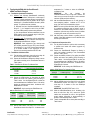
Table 1 below:
Table 1: GeneSilencer® Dilutions For Adherent Cells
Tissue culture
plate or dish type
GeneSilencer® Reagent (µl)
+ serum ree medium (µl) per well
96 wells
48 wells
24 wells
1.0 + 25
1.75 + 25
3.5 + 25
3.2.3. Prepare the siRNA solution by first mixing the siRNA
Diluent and serum free medium (SFM) according to
Table 2 below. Use the Diluent/SFM mix to dilute the
recommended amount of dsiRNA in Table 2. Mix well by
pipetting up and down several times. Incubate at room
temperature for 5 minutes.
IMPORTANT: Avoid vortexing the siRNA/Diluent mix.
Table 2: siRNA Dilutions For Adherent Cells
Tissue
culture
plate type
96 wells
48 wells
24 wells
Recommended
amount of
dsiRNA
(ng/well)
125
250
500
siRNA Diluent
(µl)+ serum free
medium (µl/well)
Final
transfection
volume (µl)
2.5 + 15
5.0 + 15
10.0 + 15
100
200
500
temperature for 5 minutes to allow the siRNA/lipid
complexes to form.
IMPORTANT:
You
can
incubate
the
siRNA/GeneSilencer® mix for longer than 5 minutes, but
make sure not to exceed 30 minutes in order to maintain
maximum siRNA transfection efficiency.
3.2.5. Add the siRNA/GeneSilencer® mix to cells growing in
serum-containing medium. Incubate at 37°C for 24
hours. See Table 2 for final transfection volume.
NOTE: For some cell lines like HeLa, MDCK, and CHOK1, transfection efficiencies may be higher if serum is
omitted from the medium during the first 4 hours of
transfection. After this step, add one volume of medium
containing 20% serum, then proceed to step 3.2.6.
3.2.6. Add fresh tissue culture medium to growing cells as
needed. Most RNA interference can be detected within
48 hours post transfection.
3.3. Transfection of Suspension Cells
3.3.1. The day before transfection, split the cells as necessary
to optimize their health and achieve log-growth by
transfection time.
3.3.2. Prepare the GeneSilencer® Reagent by diluting in
serum free medium according to the recommended
amount in Table 1 above.
3.3.3. Prepare the dsiRNA solution by first mixing the siRNA
Diluent and serum free medium (SFM) according to
Table 4 below. Use the Diluent/SFM mix to dilute the
recommended amount of dsiRNA in Table 4. Mix well by
pipetting up and down several times. Incubate at room
temperature for 5 minutes.
IMPORTANT: Avoid vortexing the siRNA/Diluent mix.
Table 4: siRNA Dilutions For Suspension Cells
Tissue culture
plate type
96 wells
48 wells
24 wells
Recommended amount siRNA Diluent (µl)+serum
of dsiRNA (ng/well)
free medium (µl/well)
125
2.5 + 15
250
5.0 + 15
500
10.0 + 15
3.3.4. Add the dsiRNA solution from Step 3.3.3 to the diluted
GeneSilencer® solution from Step 3.3.2. Incubate at
room temp. for 5 minutes to form the siRNA/lipid
complexes.
IMPORTANT: See IMPORTANT note in 3.2.4.
3.3.5. While the siRNA/GeneSilencer mix is incubating, spin
down the cells from Step 3.3.1, remove the growth
medium and re-suspend the cells in the appropriate
growth medium (serum-free or serum-containing) to
achieve a final cell density listed in Table 5.
3.3.6. Transfer resuspended cells to culture plates according to
Table 5 below:
3.2.4. Add the RNA solution from Step 3.2.3 to the diluted
GeneSilencer solution from Step 3.2.2. Incubate at room
Genlantis
10190 Telesis Court. San Diego, CA 92121
VKM060413
Page 6 of 8
Toll Free: (888) 428-0558 « (858) 457-1919 « Web: http://www.genlantis.com
GenePORTER® Transfection Reagent Manual
Table 5: Volume and Cell Number to Transfer Into Culture Dishes.
Tissue culture
Resuspended cells
Number of cells
plate or dish
volume to transfer to each
transferred to each
type
well (ml)
well (approx.)
96 wells
48 wells
24 wells
0.1
0.2
0.5
1 x 10⁵
2 x 10⁵
5 x 10⁵
3.3.7. Add the siRNA/GeneSilencer® mix to resuspended cells
in Table 5 above. Gently mix the cells by pipetting up and
down several times to avoid cell clumping. Incubate at
37°C for 24 hours.
3.3.8. Add fresh tissue culture medium to growing cells as
needed. Most RNA interference can be detected within
48 hours post transfection.
References
1.
2.
3.
4.
5.
6.
7.
8.
9.
10.
11.
12.
13.
Caplen, N.J., S. Parrish, F. Imani, A. Fire and R.A. Morgan. 2001. Specific inhibition of gene expression by small double-stranded RNAs in invertebrate and vertebrate
systems. Proc Natl Acad Sci U S A 98:9742-9747
Grishok, A., A.E. Pasquinelli, D. Conte, N. Li, S. Parrish, I. Ha, D.L. Baillie, A. Fire, G. Ruvkun and C.C. Mello. 2001. Genes and mechanisms related to RNA interference
regulate expression of the small temporal RNAs that control C. elegans developmental timing. Cell 106:23-34
Parrish, S., J. Fleenor, S. Xu, C. Mello and A. Fire. 2000. Functional anatomy of a dsRNA trigger: differential requirement for the two trigger strands in RNA interference. Mol
Cell 6:1077-1087.
Hamilton, A.J. and D.C. Baulcombe. 1999. A species of small antisense RNA in posttranscriptional gene silencing in plants. Science 286:950-952.
Sijen, T., J. Fleenor, F. Simmer, K.L. Thijssen, S. Parrish, L. Timmons, R.H. Plasterk and A. Fire. 2001. On the role of RNA amplification in dsRNA-triggered gene silencing.
Cell 107:465-476.
Bernstein, E., A.A. Caudy, S.M. Hammond and G.J. Hannon. 2001. Role for a bidentate ribonuclease in the initiation step of RNA interference. Nature 409:363-366.
Hutvagner, G., J. McLachlan, A.E. Pasquinelli, E. Balint, T. Tuschl and P.D. Zamore. 2001. A cellular function for the RNA-interference enzyme Dicer in the maturation of the
let-7 small temporal RNA. Science 293:834-838.
Knight, S.W. and B.L. Bass. 2001. A role for the RNase III enzyme DCR-1 in RNA interference and germ line development in Caenorhabditis elegans. Science 293:2269-2271.
Boutla, A., C. Delidakis, I. Livadaras, M. Tsagris and M. Tabler. 2001. Short 5'-phosphorylated double-stranded RNAs induce RNA interference in Drosophila. Curr Biol
11:1776-1780.
Hammond, S.M., E. Bernstein, D. Beach and G.J. Hannon. 2000. An RNA-directed nuclease mediates post-transcriptional gene silencing in Drosophila cells. Nature 404:293296.
Ui-Tei, K., S. Zenno, Y. Miyata and K. Saigo. 2000. Sensitive assay of RNA interference in Drosophila and Chinese hamster cultured cells using firefly luciferase gene as
target. FEBS Lett 479:79-82.
Elbashir, S.M., J. Harborth, W. Lendeckel, A. Yalcin, K. Weber and T. Tuschl. 2001. Duplexes of 21-nucleotide RNAs mediate RNA interference in cultured mammalian cells.
Nature 411:494-498.
Elbashir SM, Harborth J, Weber K, Tuschl T. 2002. Analysis of gene function in somatic mammalian cells using small interfering RNAs. Methods. 26(2):199-213.
Genlantis
10190 Telesis Court. San Diego, CA 92121
VKM060413
Page 7 of 8
Toll Free: (888) 428-0558 « (858) 457-1919 « Web: http://www.genlantis.com
GenePORTER® Transfection Reagent Manual
APPENDIX
Quality Control
All components in the TurboScript™ T7 Transcription Kit are functionally tested by PCR amplification of the GFP Control Plasmid. Each 20 µl
reaction yields at least 50–80 µg of dsRNA after a 4 hour incubation. Recombinant Dicer Enzyme Kit components are tested using 1 µg of
dsRNA (from the GFP Control Plasmid). At least 0.5 µg of dsiRNA must be produced after 12-18 hours of incubation. The GeneSilencer® siRNA
Transfection Kit is functionally qualified by transfecting labeled siRNA in cultured cells.
Troubleshooting Guide
Problem
Difficulty obtaining PCR products
for the full-length gene of interest
Possible Causes
Recommended Solutions
Sub-optimal primer design.
PCR products of poor quality.
Re-design primers by changing the gene-specific portions of the primers and
optimize the PCR conditions.
Amplify portions of the gene in 500 to 700 bp fragments and proceed to
transcribe dsRNAs from these fragments.
Double check you have followed the procedure accurately; consider trying the
control reaction a second time. If the control still fails, this indicates that a kit
component may have expired. Call Genlantis for troubleshooting and support.
Check the amount and quality of template. Also, check an aliquot of the
template DNA on an agarose gel to make sure it is intact and that it is the
expected size.
Use a different DNA polymerase if possible and/or extend reaction time.
DNA template has high G/C
content.
Optimize transcription reaction condition by doubling the amount of GTP and
CTP, performing the reaction at 15°C, and adding 0.5-1% DMSO.
No dsRNA or poor dsRNA
quality.
Too much Dicer Enzyme
added.
10 mM ATP is old.
Sub-optimal GeneSilencer
/siRNA ratio or Suboptimal
siRNA concentration.
Check the amount of dsRNA added. Make sure that the correct fractions from
the RNA Purification Columns are used or purify dsRNA before dicer reaction.
Use 1 unit of the enzyme for every microgram of dsRNA.
The gene is too long.
Neither template nor control
reaction work in generating
dsRNA.
The control reaction works with
the TurboScript™ T7
Transcription Kit, but template
gives low dsRNA yield.
dsiRNA yield is low.
Low Transfection Efficiency
Expired or defective kit
component.
Wrong amount of DNA
template or poor DNA quality.
Denatured siRNA
Cells have been in continuous
passage for > 2 months
Sub-optimal cell density.
Improper storage.
Wrong medium.
Cell line is difficult to transfect.
Cytotoxicity
GeneSilencer/ siRNA
complexes not freshly
prepared.
Sub-optimal GeneSilencer
/siRNA ratio used.
Unhealthy cells.
Aggregation
GeneSilencer concentration
Excess GeneSilencer used.
Genlantis
10190 Telesis Court. San Diego, CA 92121
Use fresh ATP solution.
Optimize the GeneSilencer/siRNA ratio by using 0.5-7 µl of GeneSilencer for
each 100 ng of siRNA. Use a low siRNA quantity to optimize this parameter.
After establishing the optimal GeneSilencer /siRNA ratio, vary the siRNA
quantity over the ranges suggested in the Methods and Procedures section.
Use recommended buffer (100 mM NaCl, 50 mM Tris, pH 7.5 in RNase-free
water) to dilute siRNA. Do not use water as it can denature the siRNA.
Thaw out a fresh aliquot of cells and passage once (or more) before
transfecting. Avoid using cells that have been in culture or passaged for an
excessive time.
Use cells that are 50-70% confluent on the day of transfection. Optimal cell
density may vary depending on cell type.
GeneSilencer reagent is very stable but long exposure to elevated
temperatures and/or excessive freeze/thaw cycles may cause degradation;
store at 4°C.
Use ONLY serum-free medium when forming the GeneSilencer/siRNA
complex.
Optimize GeneSilencer/siRNA ratio and siRNA amount as indicated on page
6 (Section 3.1).
GeneSilencer/siRNA complexes should be freshly prepared. If complexes
have been prepared and stored for longer than 45 minutes, aggregation may
occur.
Too much GeneSilencer or too much siRNA could cause aggregation; Adjust
the ratio as outlined above.
- Check cells for contamination.
- Thaw a new batch of cells.
- Cells are too confluent or cell density too low.
- Check culture medium (pH, kind used, last time changed).
- Check equipment for proper function (culture plates, incubators, etc.).
Reduce GeneSilencer concentration in 20-30% increments to avoid toxicity.
Decrease the amount of GeneSilencer reagent.
VKM060413
Page 8 of 8
Toll Free: (888) 428-0558 « (858) 457-1919 « Web: http://www.genlantis.com