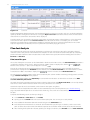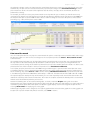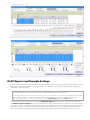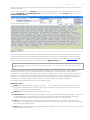
1
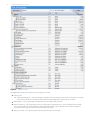
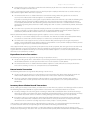
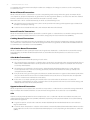
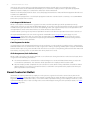
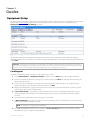
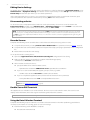
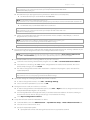
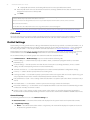
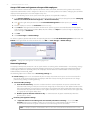
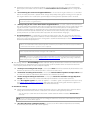
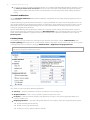
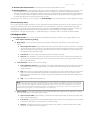
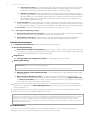
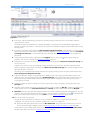
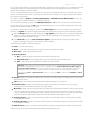
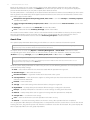
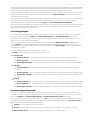
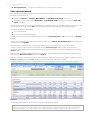
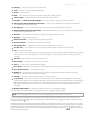
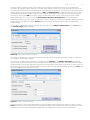
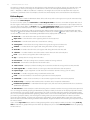
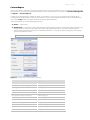
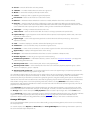
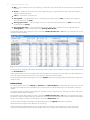
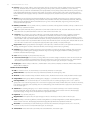
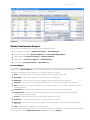
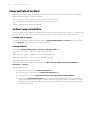
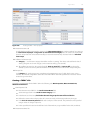
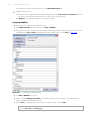
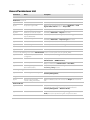
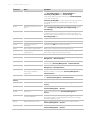
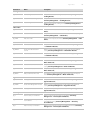
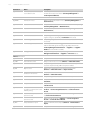
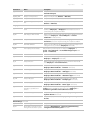
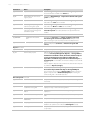
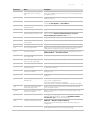
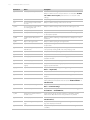
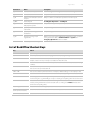
160 iikoRMS BackOffice User Guide Delivery: delivery email, address, travel time (min), delivery closing time, delivery dispatch time, invoice printing time, city, duration: latest serv. print-sending, delivery, delivery source, delivery comments, courier, Delivery Number, Delivery Customer Card Number, Delivery Operator, Delivery Delay (min), Planned Delivery Time, Delivery Cancellation Reason, Region, AvgTravel Time (min), Avg. Delay in Delivery (min), Tot. Travel Time (min), Delivery Phone Number, Delivery Type, Delivery Customer Card Type, Street, Actual Delivery Time, Delivery Customer Full Name. Order: Banquet, Dish deleted and written off, Bill Void, Time in Guest Bill (min), Closing Time, Total Serving Time (min), Serving Time (min), Opening Time, Guest Bill Time, Number of Dishes, Dish Comment, Order No., Table No., Bills Items, Write-off Reason, Dish Deletion Reason, Avg. Time in Guest Bill (min), AvgServing Time (min), Void Amount, Write-off Type, Bills. Delivery customer: Delivery email, Delivery customer username, Delivery phone number, Delivery customer card type, Delivery customer full name. VAT: VAT by bill (Amount), VAT (%), Amount excl. VAT not included in the cost, Discount amount excl. VAT not included in the cost, Amount with discount excl. VAT not included in the cost. Payment: % by column, % by row, Credited to..., Payment group, Number of vouchers, Company-contractor, Credit card, VAT by bill (Amount), VAT (%), Payment card number, Transaction, Surcharge Rate, Discount Percentage, Average revenue per guest, Average order amount, Average price excluding VAT, Amount excl. VAT not included in the cost, Amount without discount, Surcharge Amount, Discount Amount, Discount amount excl. VAT not included in the cost, Amount with Discount, Amount with discount excluding VAT, Amount with discount excl. VAT not included in the cost, Payment Type, Payment Type (comb), Fiscal payment type. Organisation: Room group, Room, Cash Register, Concept Code, Subdivision Code, Concept, Production Place, To storage, Cash Register Location, FCR Serial Number, From storage, Point of Sale, Legal Entity. Cooking: Delay of start of cooking (average), Serving number, Serving delay (average), Cooking delay (average), Duration of guest waiting time (average), Duration of guest serving (average), Duration of cooking (average), Duration of kitchen work (average). Cost: Markup, Markup (%), Cost, Unit Cost, Cost (%). Discounts/Surcharges: Guest Card, Surcharge Rate, Discount Percentage, Amount excl. VAT not included in the cost, Surcharge Amount, Discount Amount, Discount Amount excl. VAT not included in the cost, Amount with discount excl. VAT not included in the cost, Surcharge Type, Discount Type, Client's price category. Employees: Authorised by, Credited to..., Authorisation card, Cashier, Company-contractor, Shift number, Waiter, Written off to employee. OLAP Transactions Report P&L: % of total revenue, Account Group, Account Code, Amount, Account Type. Date and Time: Year, Date and Time, Day of the Week, Month, Accounting Day, Hour. Alcohol: Alcoholic Product Group, Alcoholic Product Class, Alcoholic Product Class Code, Alcoholic Product Type. Corporation: Room group, Room, Cash Register, Category 1-5, Subdivision Code, Point of Sale, Legal Entity. Correspondent: Corr. Account Group, Corr. Account Code, Corr. Accounting Category, Corr. Level 1 stock list group, Corr. Level 2 stock list group, Corr. Level 3 stock list group, Corr. Measurement Unit, Corr. Stock List Hierarchy, Corr. Stock List Category, Corr. Quantity, Corr. Account/Storage, Corr. Production Place Type, Corr. Stock List Item, Corr. Account Type Stock List: Accounting Category, Level 1 Stock List Group, Level 2 Stock List Group, Level 3 Stock List Group, Measurement Unit, Stock List Hierarchy, Stock List Category, Quantity, Stock List Item Turnover, Receipt (qty), Expenditure (qty), Average Price, Production Place Type, Stock List Item. Payment: % by column, % by line. Organisation: Concept Code, Concept, Storage, CF Articles Hierarchy, CF Article, and CF Article Type. TBSH: Quantity, Cash Closing Balance, Goods Closing Balance, Cash Opening Balance, Goods Opening Balance. Stock List Item Turnover, Receipt (qty), Expenditure (qty), Receipt Amount, Expenditure Amount. Accounts: Account Group, Account Hierarchy, Account Code, Contractor, Storage\Account, Level 1 Account, Level 2 Account, Level 3 Account, Contractor Type, Account Type. Transaction: Transaction Code, Comment, Document Number, Transaction Type.